
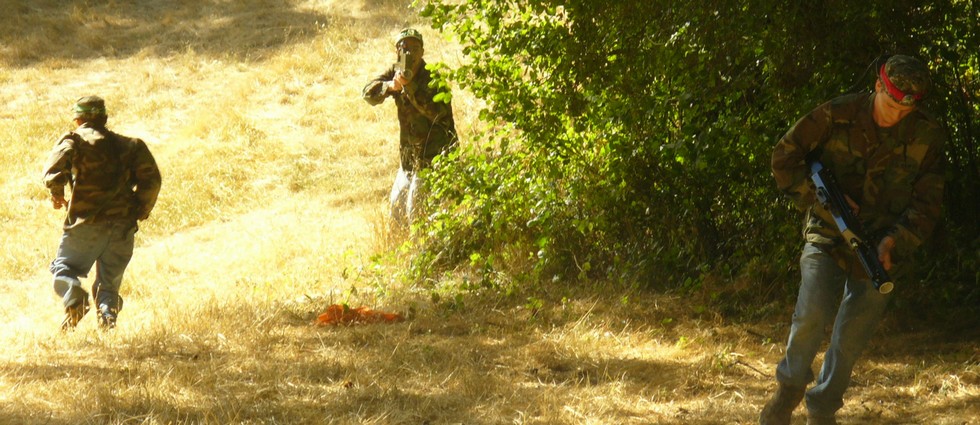
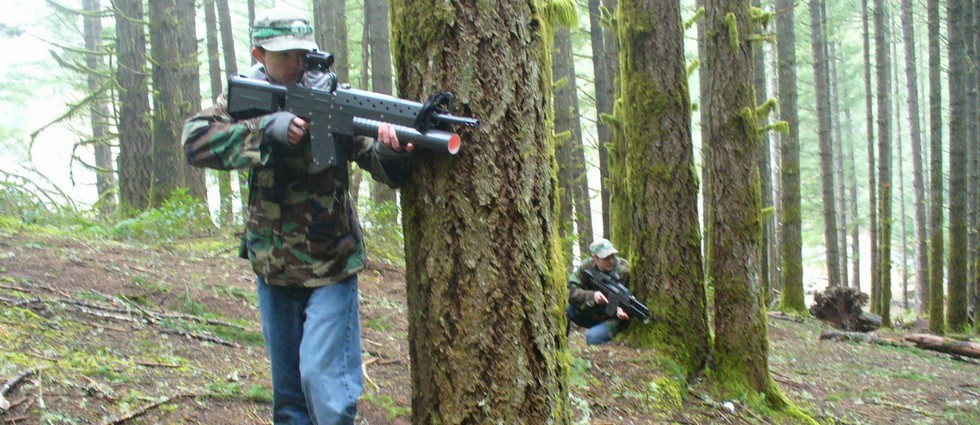

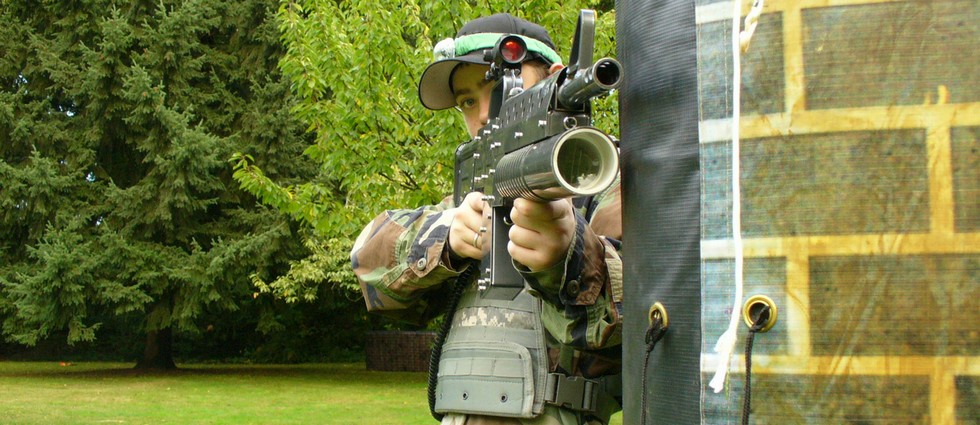

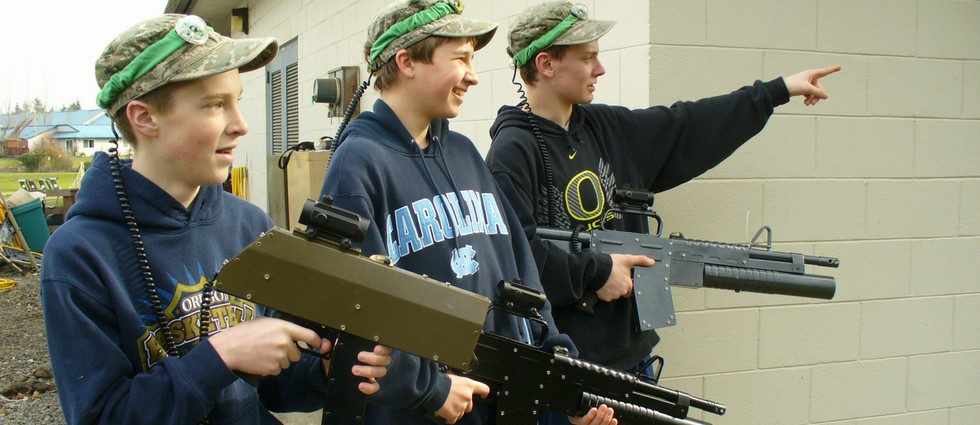
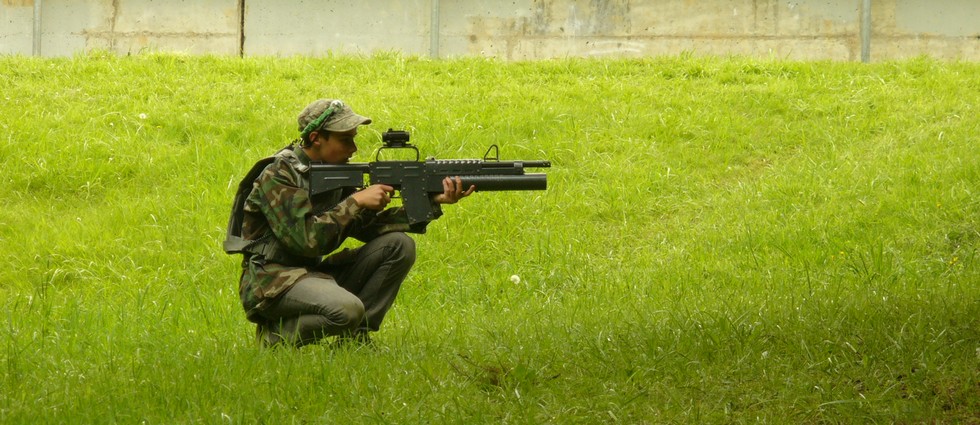
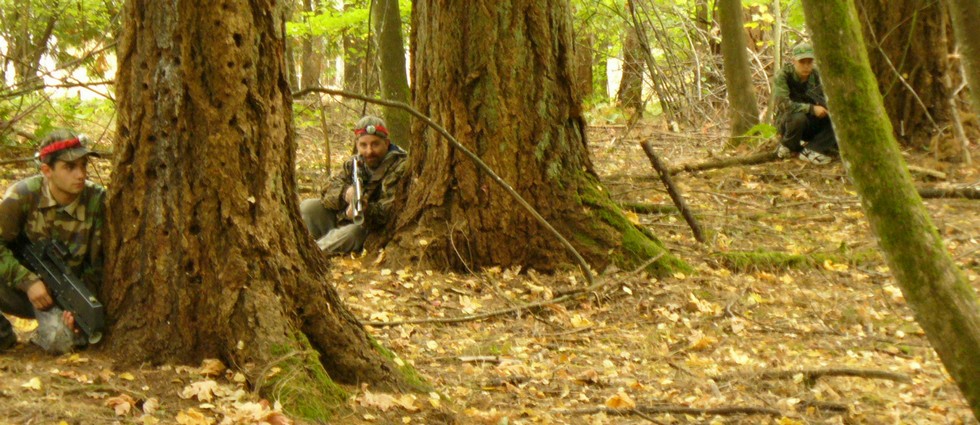
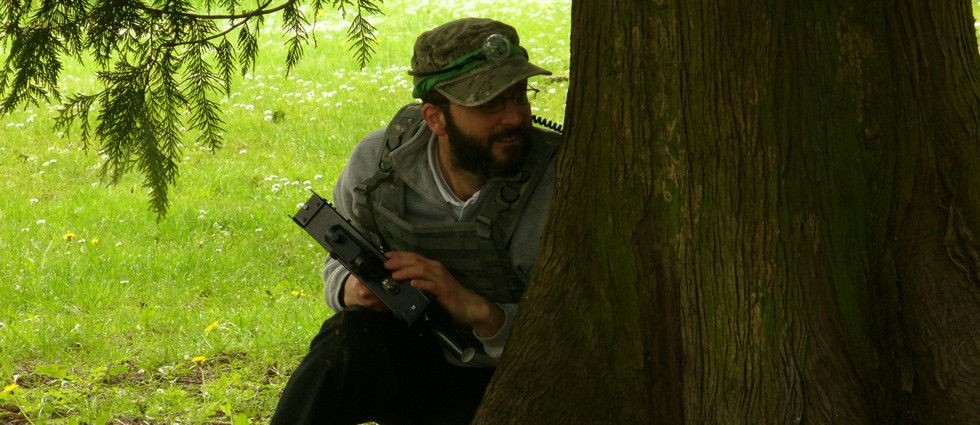
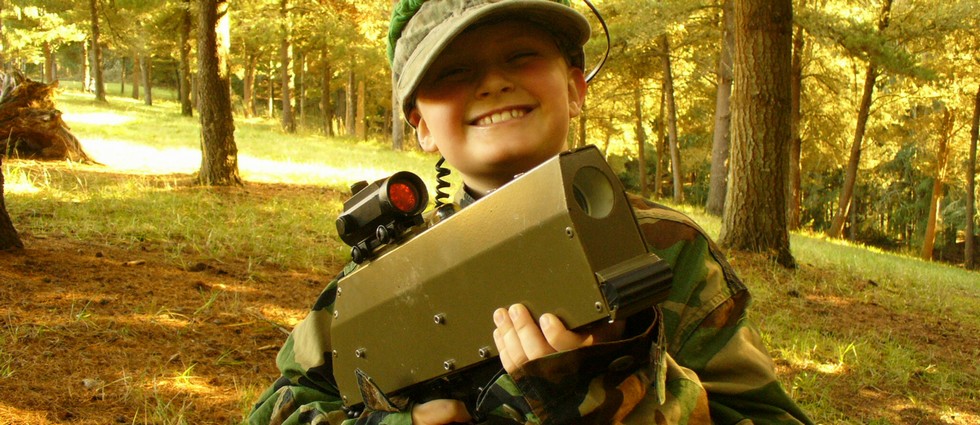

In the military you’d have a leader who doesn’t actually fire much but oversees the progress of the battle, even sometimes in units as small as a squad (9-13 soldiers or so). The advantage of a commanding leader is that he or she can watch where the fighting is toughest and send reinforcements or call for a retreat to a more defensible position. You’ll rarely have that luxury in laser tag (because even if you have enough people most folks don’t have much skill at commanding troops like that, never mind whether your teammates want to actually be commanded), which often means that if your opponents start to really hammer you in one area you can still have a majority of your team completely oblivious and across the field. And then, often as not, when the teammates who could offer you support finally show up to help your opponents have switched tactics and now they’re attacking the side of the field that your support just came from. So what kind of laser tag strategy will give you the forces you need in the areas you need them without a commanding officer? You’ll be surprised how easy it is! Continue reading
Tag Archives: Improve Your Game
How to aim better, or: “I’m not hitting anything!”
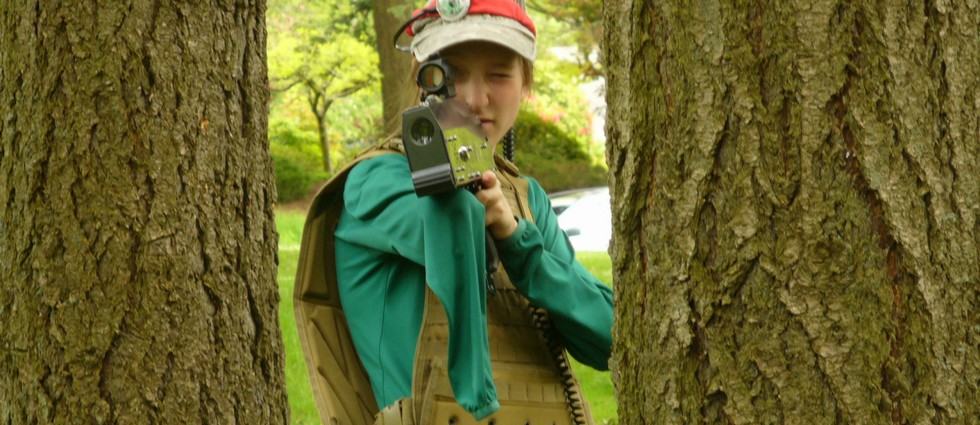
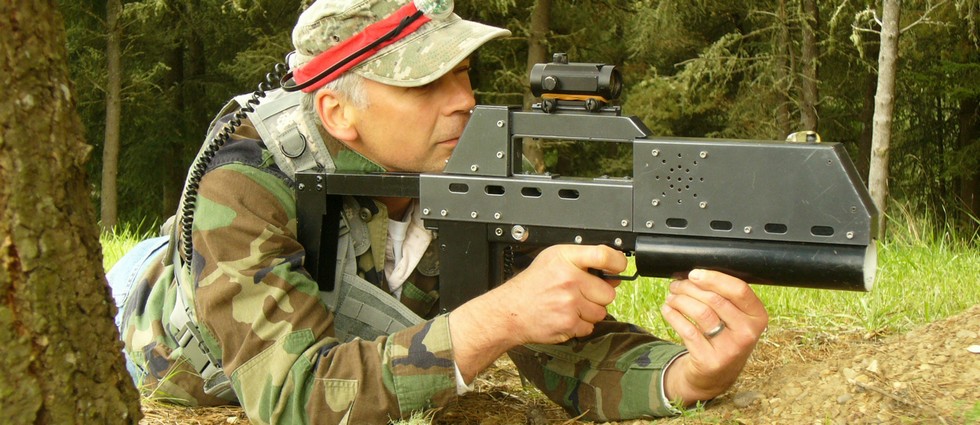
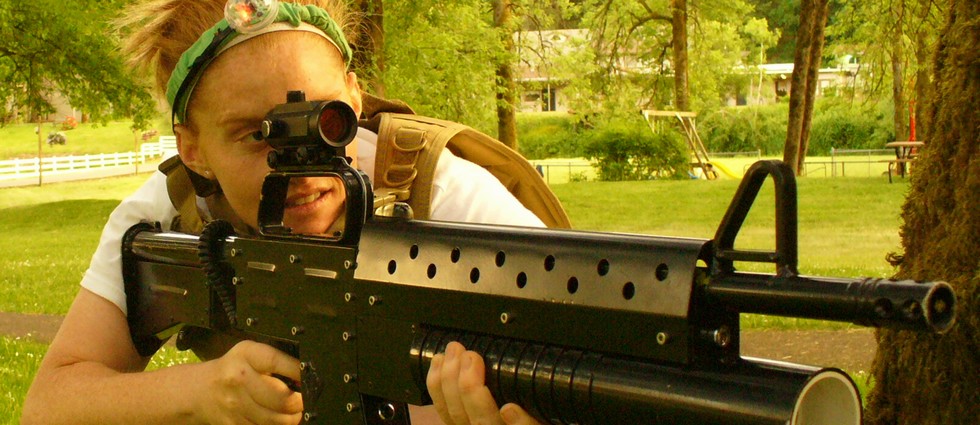
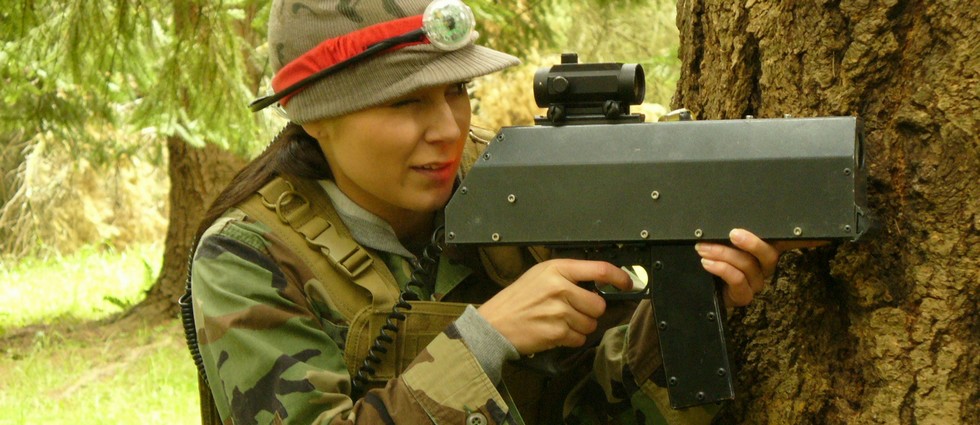
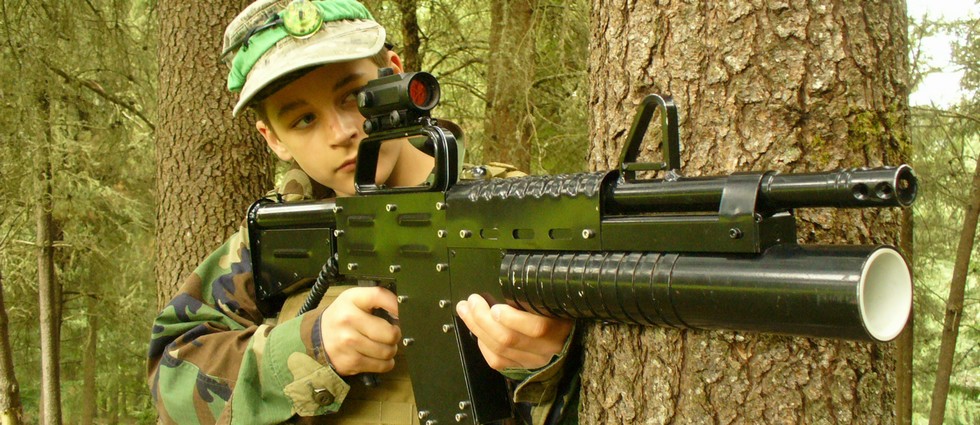
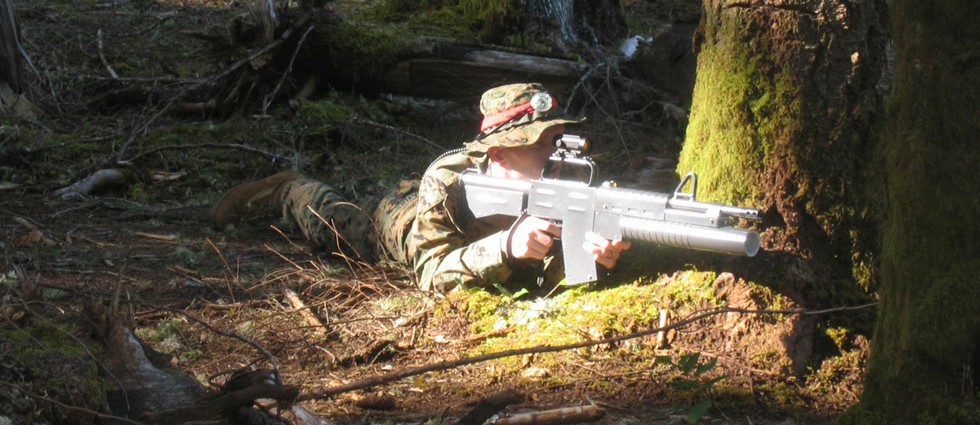
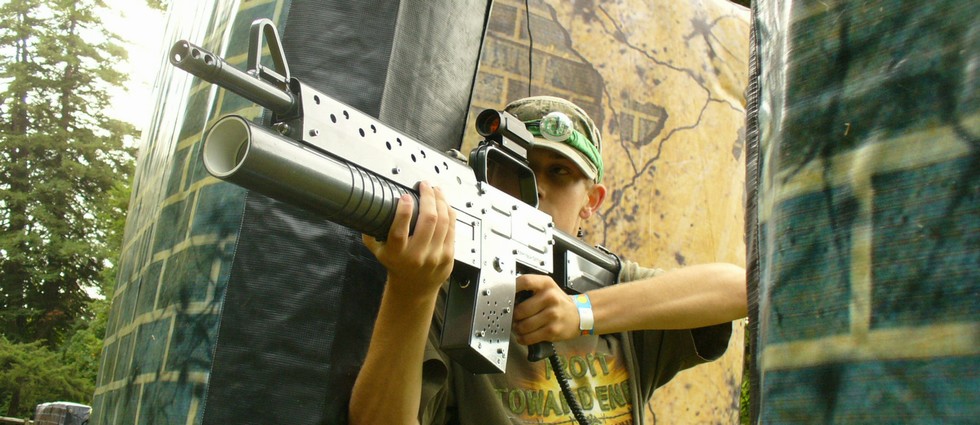
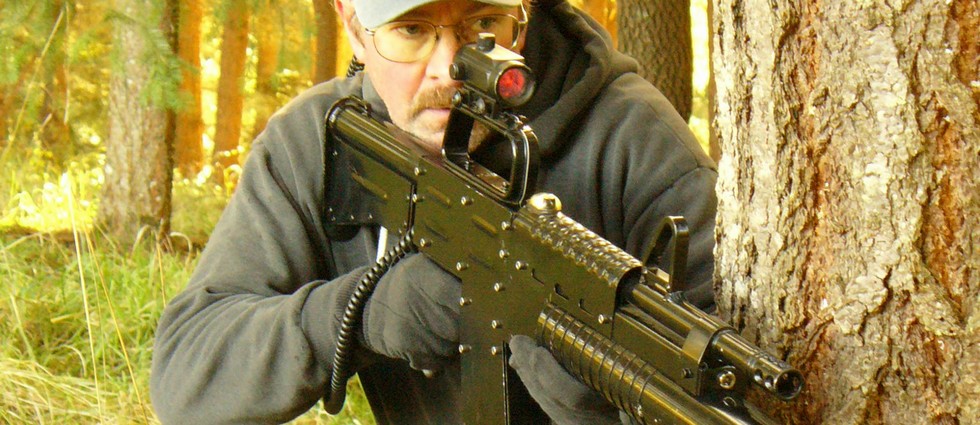
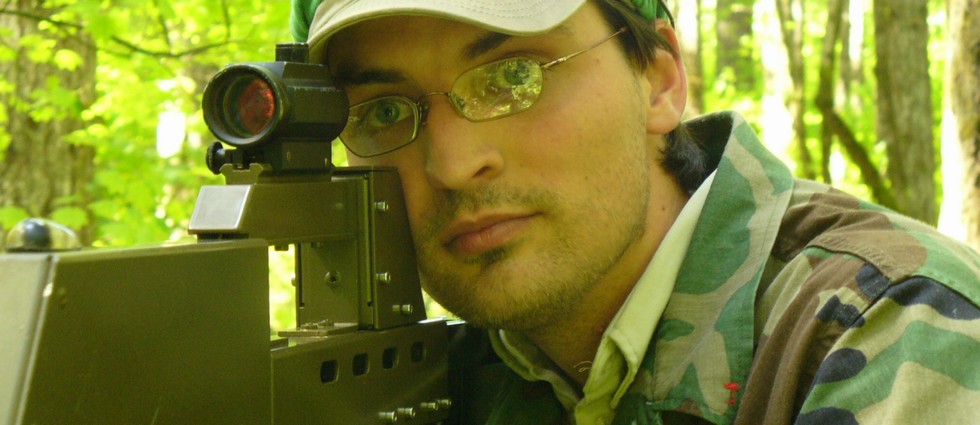
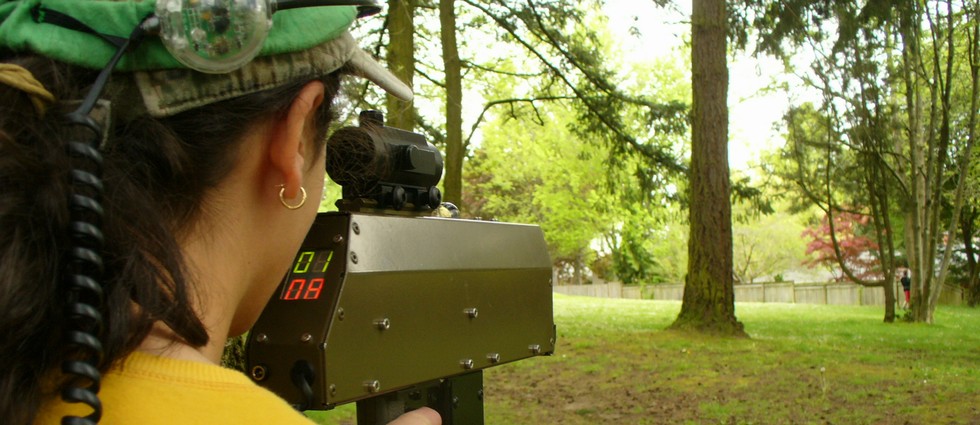
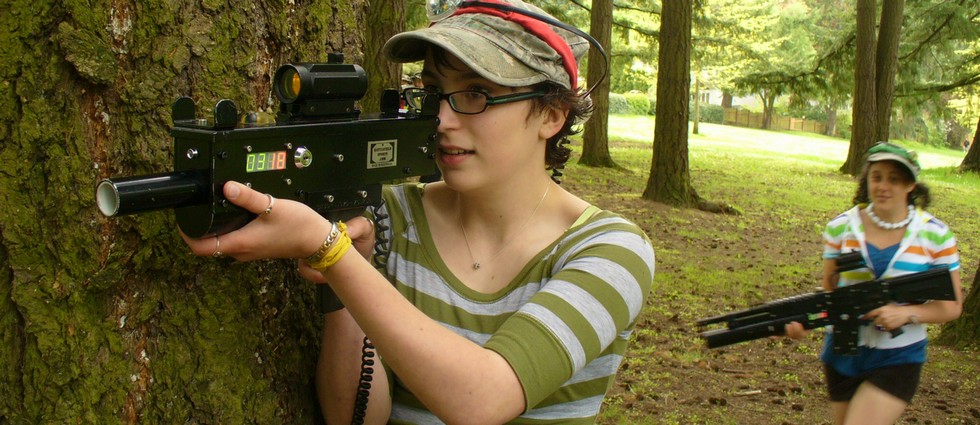
If you’re regularly missing folks that you’re aiming at on the field then there’s one easy answer to your problems: you need to use the scope. All of the laser tag guns on our field have a real red-dot scope. All you need to do to hit someone is look through the scope, put the dot on your opponent, and press the trigger. Now, that said, there are a few small tricks you can use to really drive your accuracy up. Continue reading
Video games, paintball, airsoft, and laser tag: Improving your game.
Not everything works both ways and today we’d like to give you a great example. Laser tag is a great choice if you want to improve your play in other areas, but what helps you improve your tactical laser tag skills? Continue reading
What’s the best gear I can buy? What does an advanced kit look like?
I’d like to get this out of the way right off the bat: nothing you can buy will improve your tactical laser tag game. There’s a few things you can buy that will help make playing your best at laser tag easier, but nothing will, by itself, make you a better player.
…but again, there are a few things that will help you show off your best laser tag game with less effort and in more circumstances. In roughly the order that I would prioritize them, the items below can be really helpful. Continue reading
Work together and win!
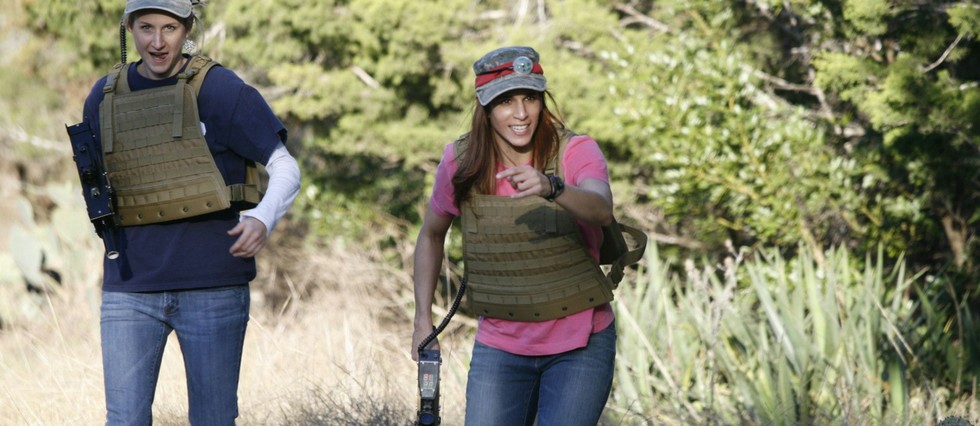
I don’t think that anyone ever thinks that trying to fight your way across the battlefield alone is the best of all options, yet most people wander across the laser tag field with little to no coordination with their teammates, especially after the first 5 minutes when everyone has died once or twice. Why is this? Well, frankly, it’s a tough skill to learn. Fortunately, though, it is a basic skill, so no matter your skill level you can always work on it. Continue reading
Tactical Maneuver: The Pin & Flank
A pin & flank is the most basic tactical solution to taking out an opponent who is behind cover. Usually, you will decide to execute a pin & flank for one of two reasons: either the opponent is firing on your position and you can’t poke your head up to return fire without being shot or you’ve got a group trying to fire on and eliminate an opponent but the cover they’re hiding behind is preventing you from taking them out.
A pin & flank requires at least two people and is better (like most tactical situations) if you have at least 3-4 teammates taking part.
Divide up your group into two fire teams. Have the first fire team (we’ll call them Alpha for this example) start to lay down suppressive fire. Suppressive fire means that the members of Alpha are all up and firing, but they probably don’t need to fire more than once every second or two. This will help them conserve ammo. In real life suppressive fire usually entitles several hundred rounds of fire, but that rate of fire doesn’t usually become necessary in combat sports like laser tag.
Send the second fire team (we’ll call them Bravo for now) circle around to the side of the target. The goal is for Alpha to cause the opponents to keep their heads down (or pin them) so that Bravo can find another angle where they have a clear shot (by flanking them).
In general you probably want Alpha to be the larger of the two, but circumstances may require more strength with Bravo. If, for instance, Bravo expects to fall under fire from additional opposition forces (usually called OPFOR for short) then Bravo needs to weigh whether they can find another approach (which is preferable) or whether they will risk engaging the additional OPFOR. Engaging opponents other than the target is a big risk because a) the target may realize what’s happening and attempt to escape and b) if Bravo is eliminated Alpha will have a larger firefight on their hands at a big disadvantage.
