




















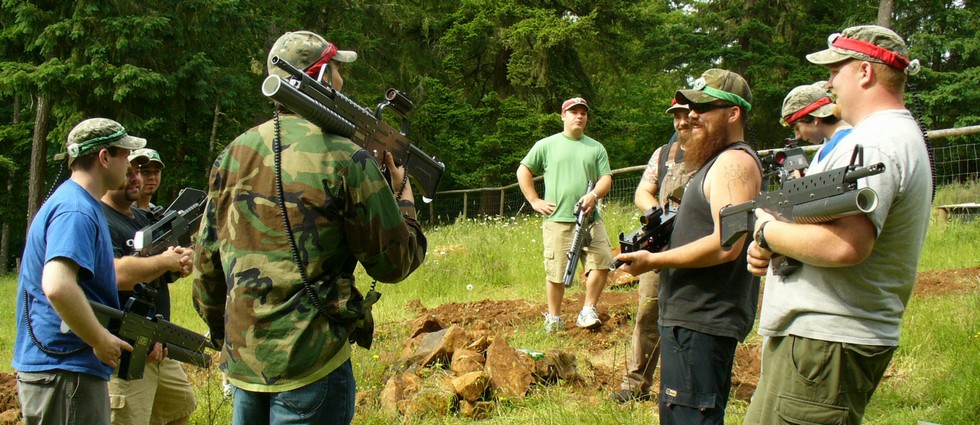
Half-minute History: The Battle for New York

From Mike: As we get back into the swing of things, we’re starting off today (with a rare Tuesday post!) with a new segment that we’ll rotate in occasionally: Half-Minute History. In  each installment of Half-Minute History the goal is to give you a bit of history that you can learn in 30 seconds or less, and then try to relate a laser tag strategy lesson to the snippet of history. Enjoy!

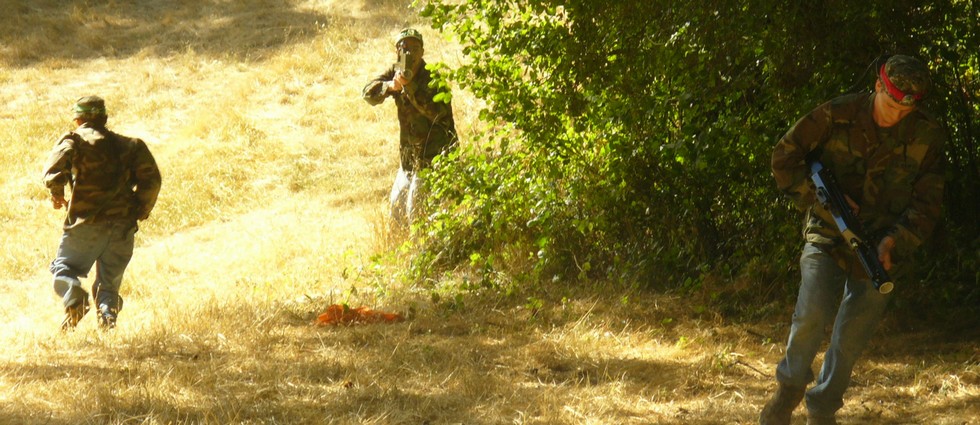
In the entire American Revolution there was only one full-scale battle fought, and not only was it the first battle overall, but it was also the biggest loss for our side. George Washington lost miserably but thankfully the lessons he learned allowed him to be far more successful than in the Battle for New York City. Continue reading

Better Starts for Stronger Play

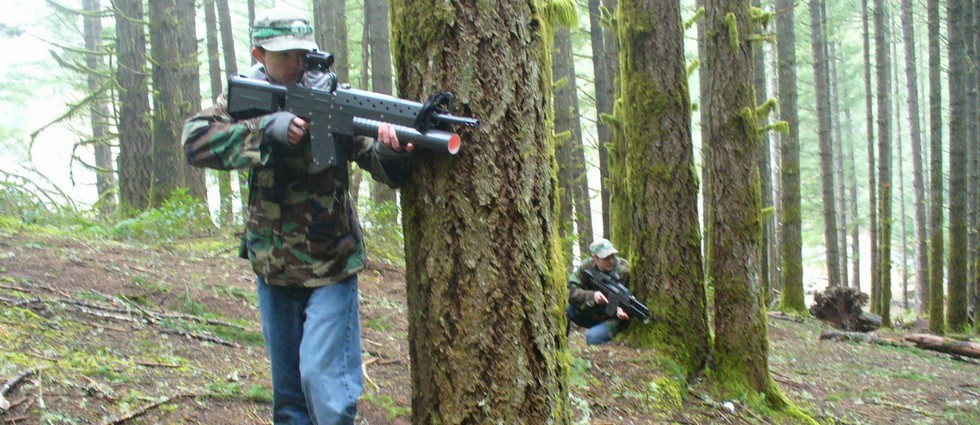
(Note: in many ways this week’s post is a continuation of last week’s discussion on using rovers in your laser tag strategy. If you haven’t read that, you’ll probably want to since they’re not explained here.) When the whistle blows at the start of a game your whole team is going to blast out of their base with the force of a herd of elephants. Winning teams, though, know WHERE they’re going from the base. Planning, though, is complicated by the fact that there’s very little time before the whistle blows and as the game goes on conditions change. So how do you create a plan at the start of the game that will help your team stay coordinated all the way through to the end? Continue reading

Rovers, or: How to maintain coordination

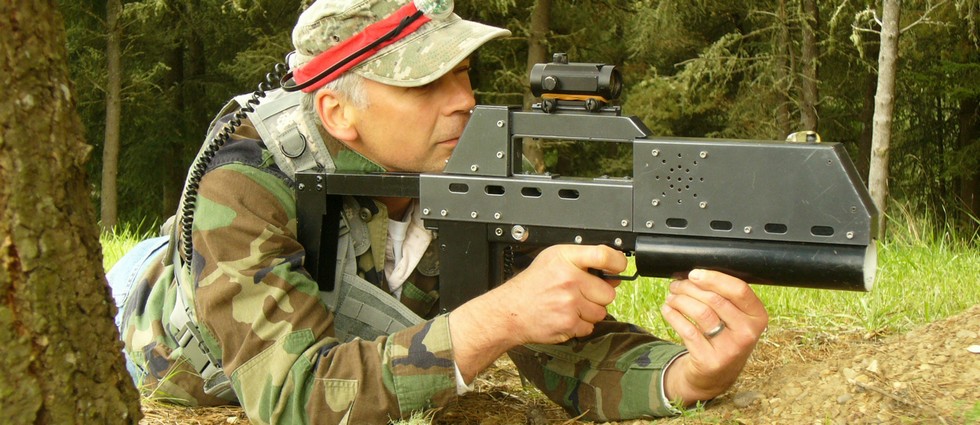
In the military you’d have a leader who doesn’t actually fire much but oversees the progress of the battle, even sometimes in units as small as a squad (9-13 soldiers or so). The advantage of a commanding leader is that he or she can watch where the fighting is toughest and send reinforcements or call for a retreat to a more defensible position. You’ll rarely have that luxury in laser tag (because even if you have enough people most folks don’t have much skill at commanding troops like that, never mind whether your teammates want to actually be commanded), which often means that if your opponents start to really hammer you in one area you can still have a majority of your team completely oblivious and across the field. And then, often as not, when the teammates who could offer you support finally show up to help your opponents have switched tactics and now they’re attacking the side of the field that your support just came from. So what kind of laser tag strategy will give you the forces you need in the areas you need them without a commanding officer? You’ll be surprised how easy it is! Continue reading

Clearing an indoor room alone

When good laser tag strategy tells you to do bad things…

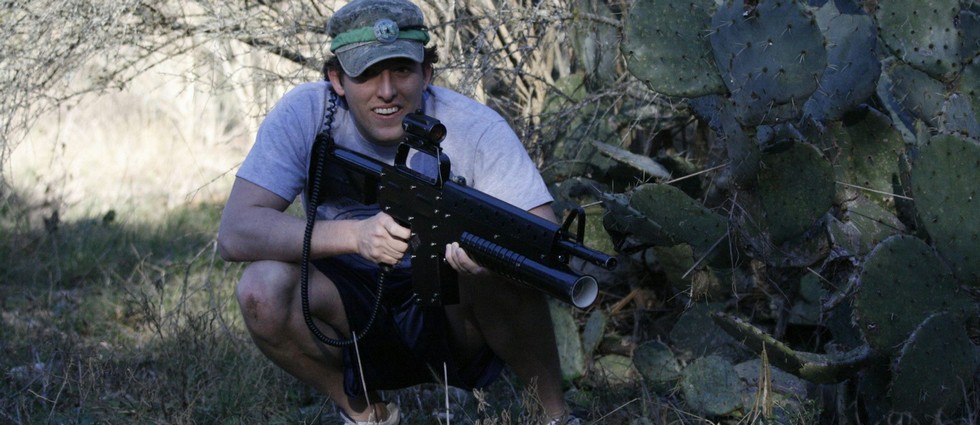
At some point in playing you’ll occasionally find yourself without allies an in a situation where you’ll need to walk into a room you’re pretty certain is filled with enemies and try to be all Matrix-like and take them all out. This is an incredibly difficult tactic to accomplish and you’re literally choosing to walk into an ambush. Let’s start with some of the reasons that you might want to do this: (hint: if you can avoid it, good laser tag strategy says you probably should!) Continue reading

On the field: Laptops

We recently completed work on a updated version of one of our favorite laser tag props and wanted to share the new, improved, in-game laptop. We always use the laptop in games of Intel, although it makes occasional appearances in other games, too. Continue reading

Game Summaries for Players: Freeze Tag

We recently learned Freeze Tag from Cypher over at Spec Ops Live Play in Modesto, CA. It’s actually based on a game we occasionally play (and originally taught Cypher!) called Ears. Freeze Tag is by far the superior version between the two laser tag games, though, and you’re much more likely to see it on the field. Continue reading