








In the military you’d have a leader who doesn’t actually fire much but oversees the progress of the battle, even sometimes in units as small as a squad (9-13 soldiers or so). The advantage of a commanding leader is that he or she can watch where the fighting is toughest and send reinforcements or call for a retreat to a more defensible position. You’ll rarely have that luxury in laser tag (because even if you have enough people most folks don’t have much skill at commanding troops like that, never mind whether your teammates want to actually be commanded), which often means that if your opponents start to really hammer you in one area you can still have a majority of your team completely oblivious and across the field. And then, often as not, when the teammates who could offer you support finally show up to help your opponents have switched tactics and now they’re attacking the side of the field that your support just came from. So what kind of laser tag strategy will give you the forces you need in the areas you need them without a commanding officer? You’ll be surprised how easy it is!
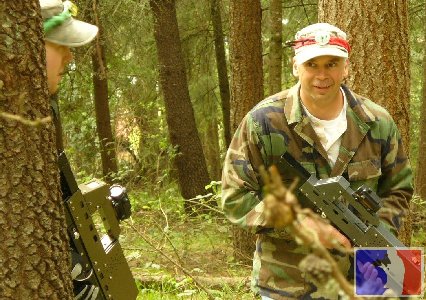
Using rovers is a laser tag strategy that lets you have decentralized leadership but maintain responsive capabilities for your team.
Laser Tag Strategy Elements: Rovers
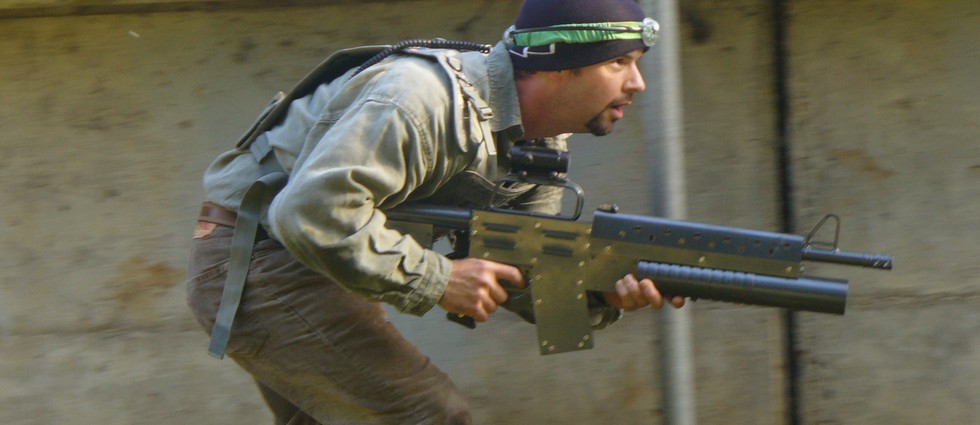
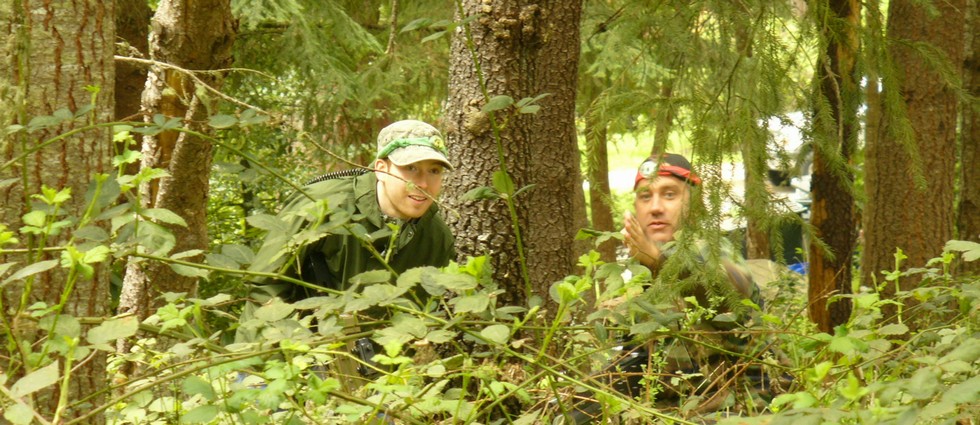
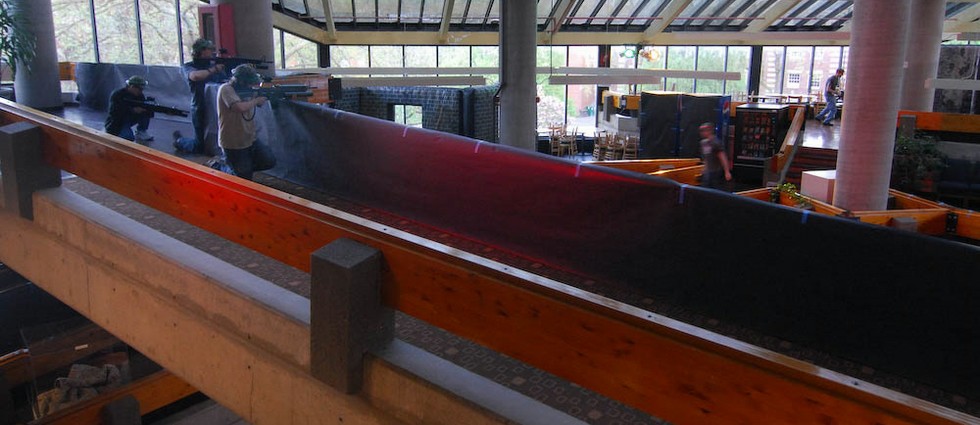
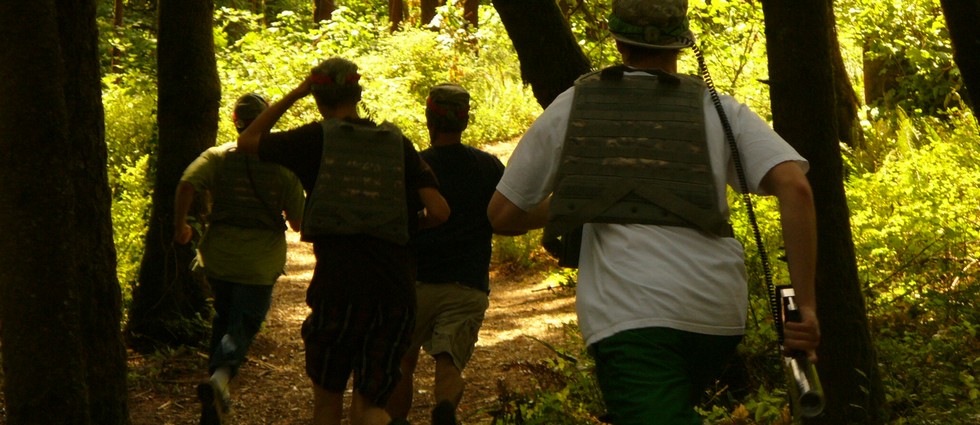
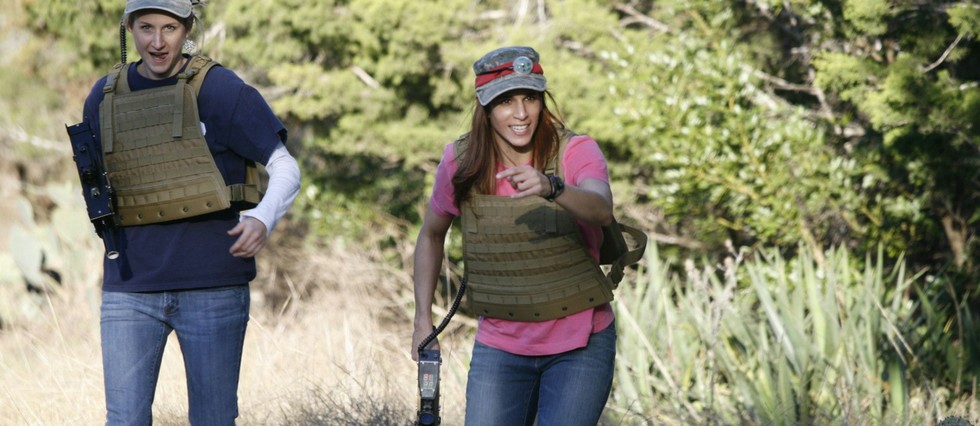
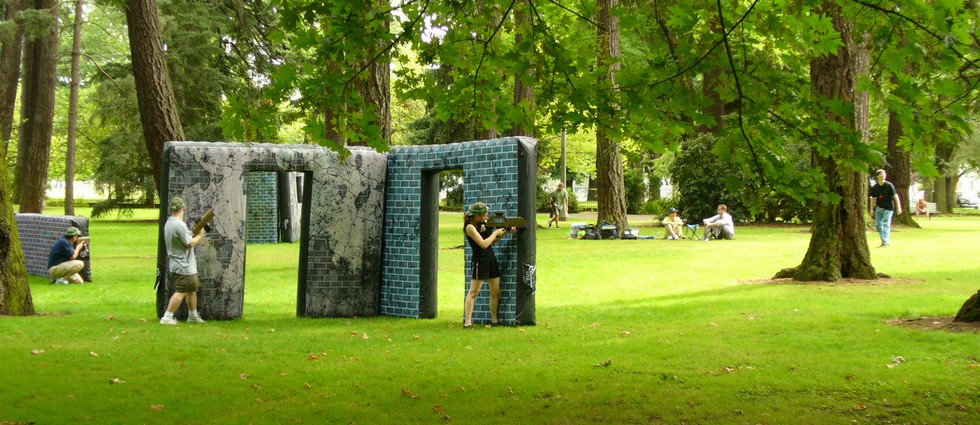
Most likely the field you’re playing on will have multiple objectives or multiple paths for your opponents to take. This means that you’ll probably want to divide up your team to cover some, if not all of them. When you do, make sure that not everyone is assigned to defend specific paths! Take a few folks, say somewhere betwee a quarter and a third of the people on your team, and assign them as rovers. Rovers are supposed to check in at each path and only stay there if they’re shooting at someone. Rovers can also check to see if anyone is nearly dead and then, after that person steps aside from the group, a rover can take off the last few hit points and hold that person’s spot while they sprint back to base for the respawn and then back to their point to relieve the rover so s/he can continue on. Also, make sure your rovers are cycling through the main battle points in different directions from each other and start in different areas, too. This spreads them out as much as possible as often as possible.
Using rovers in a laser tag strategy like this does a few things for you. First, it gives your important defensive positions lots of support and that support is always moving, so it’s likely that when a given position falls under attack they’ll have support soon. Second, it gives you a way to make sure that the defenders assigned to your defensive points are as strong and healthy as possible.
Rovers are a fantastic way for your team to get their strength where it’s needed most in a reasonably safe manner. They’re also fun to play and play with, which means that you can use a laser tag strategy with rovers in almost any group.