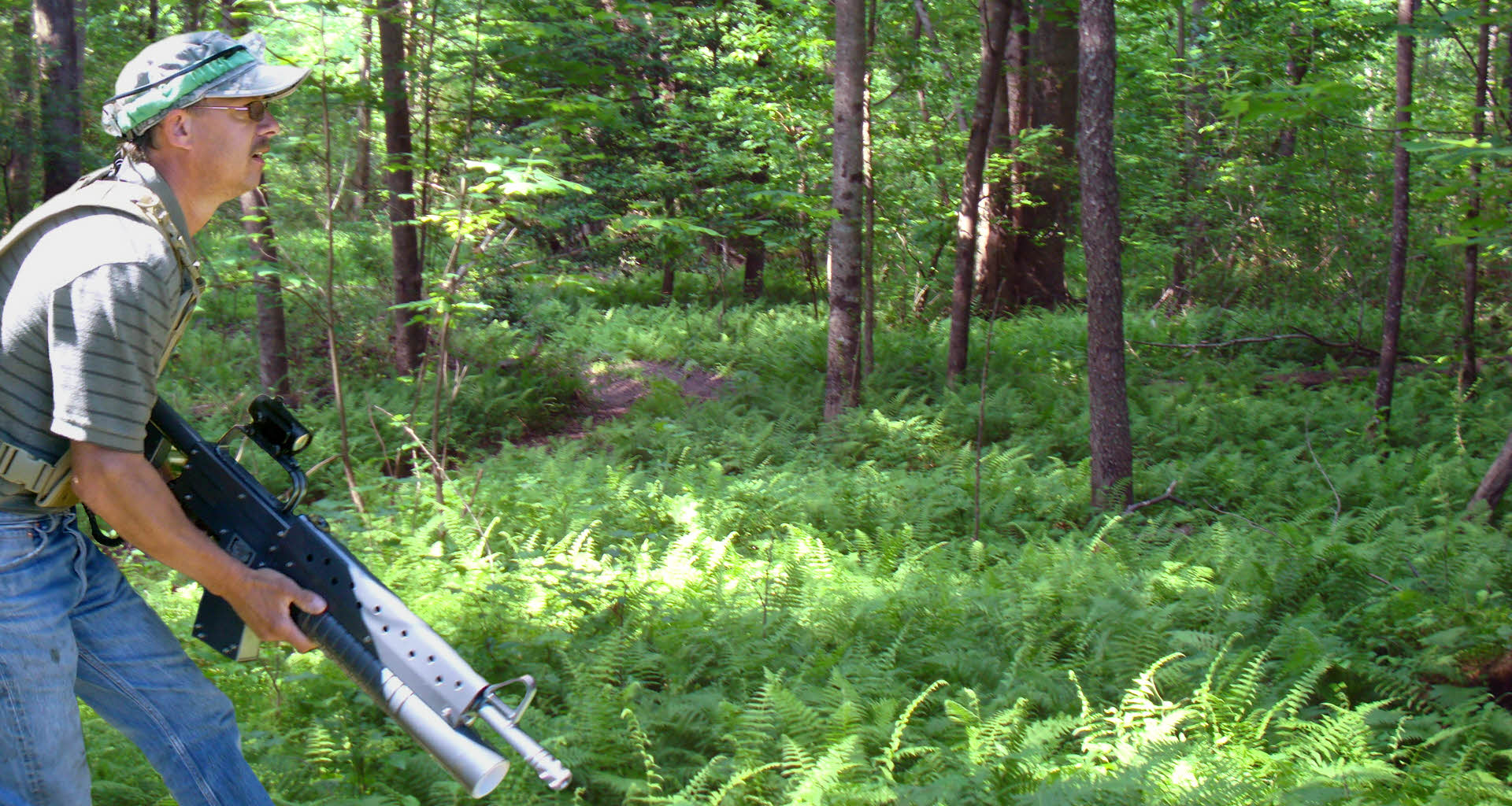


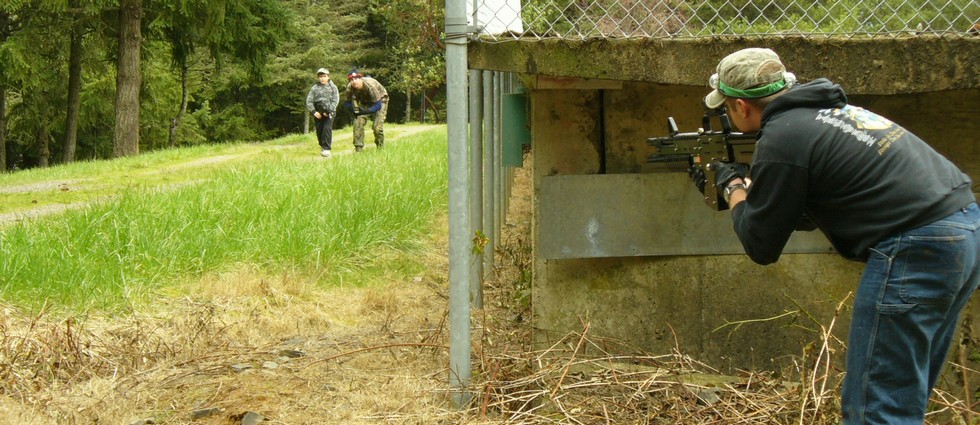
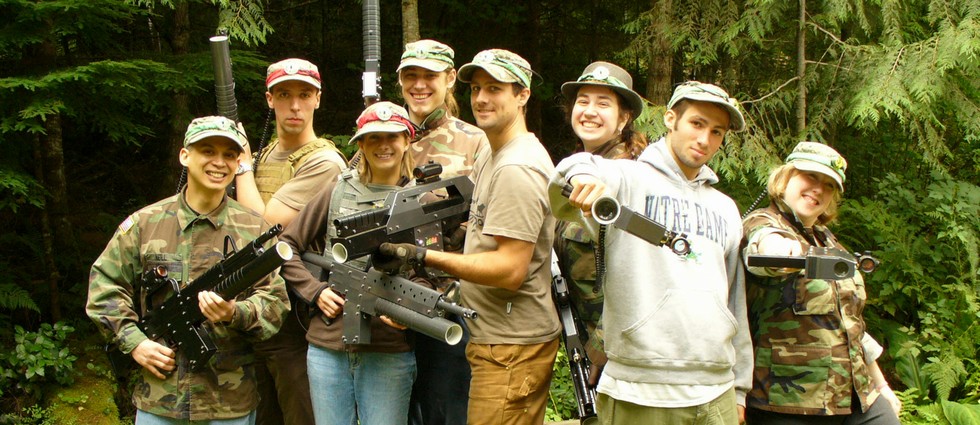
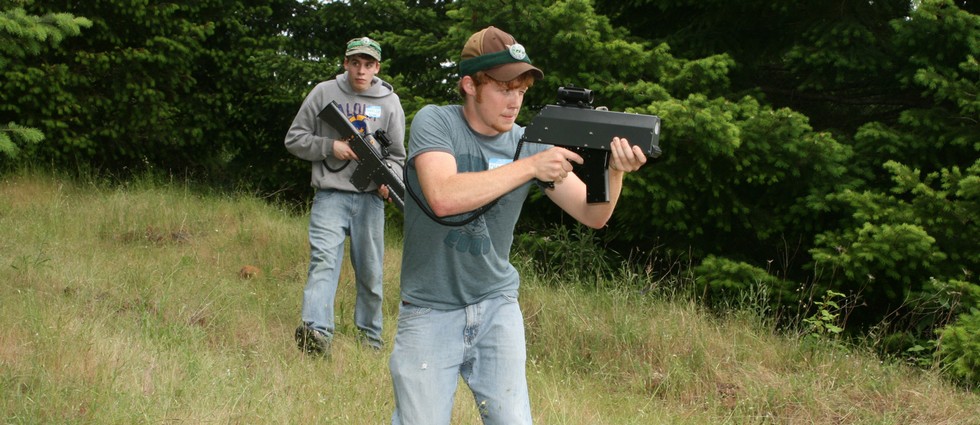
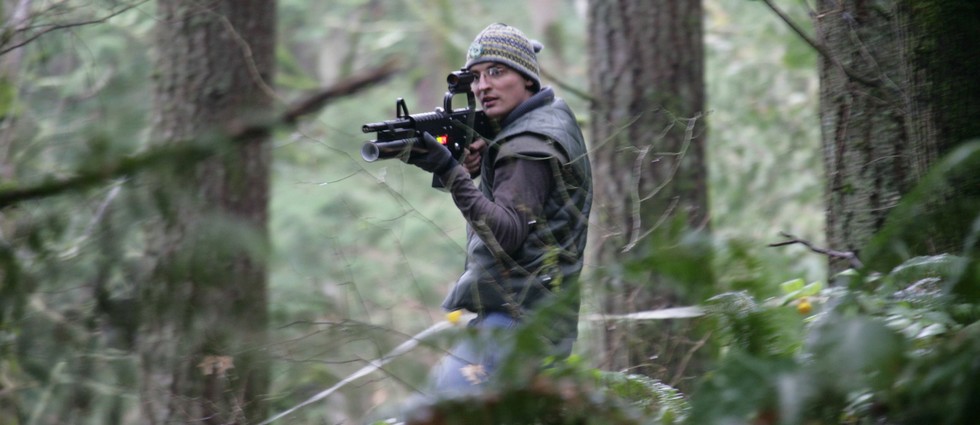
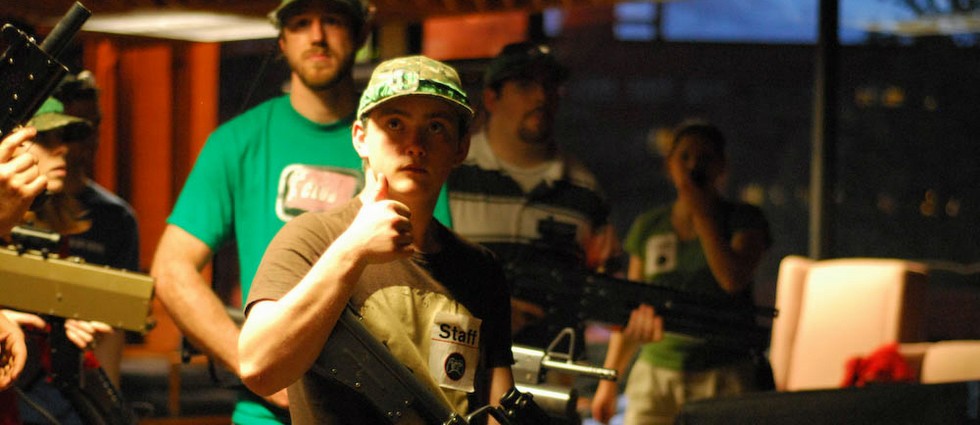
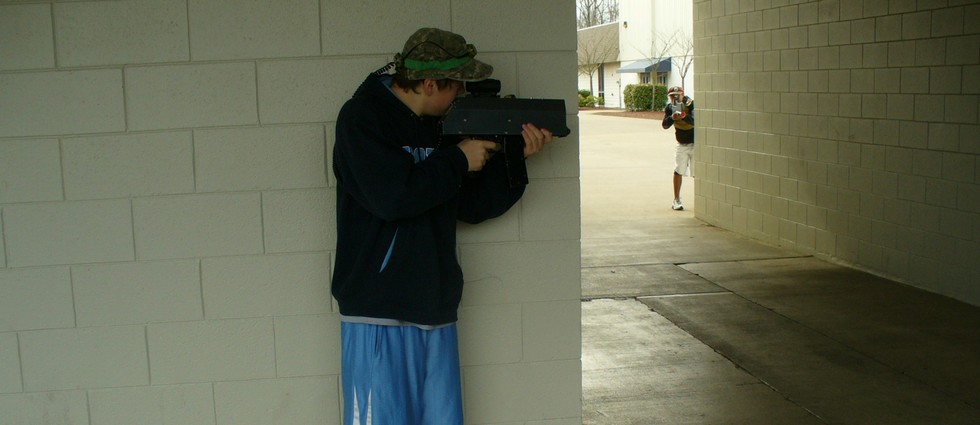
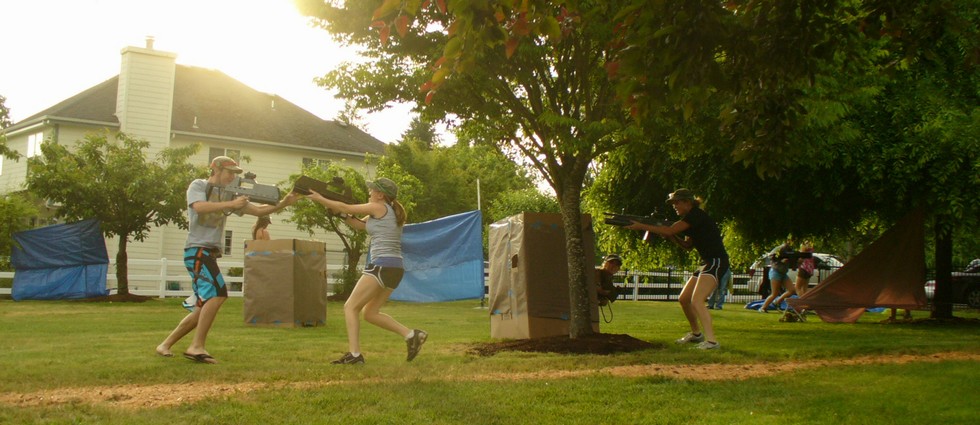
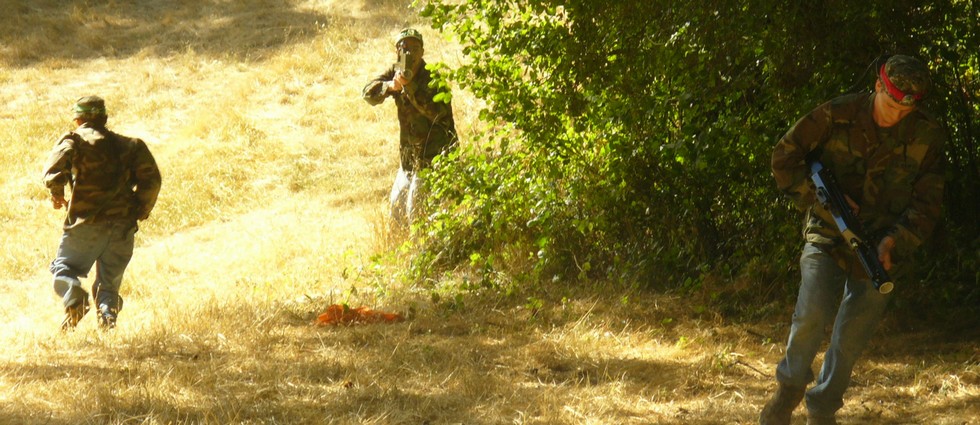
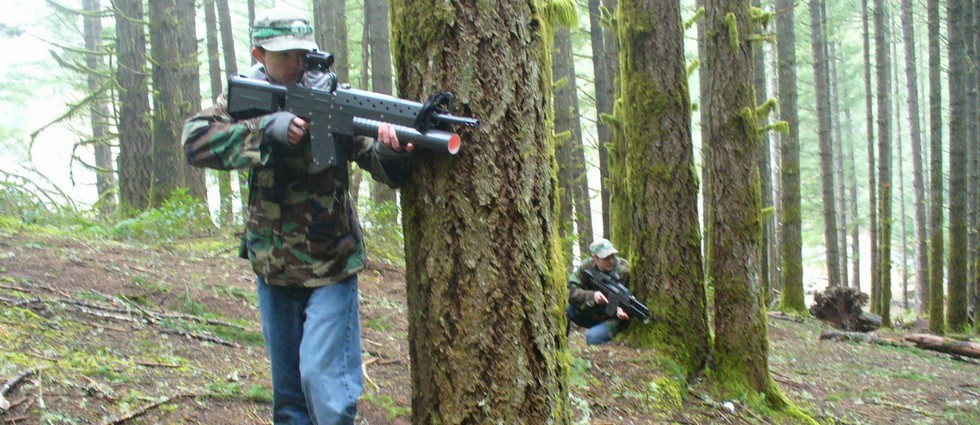
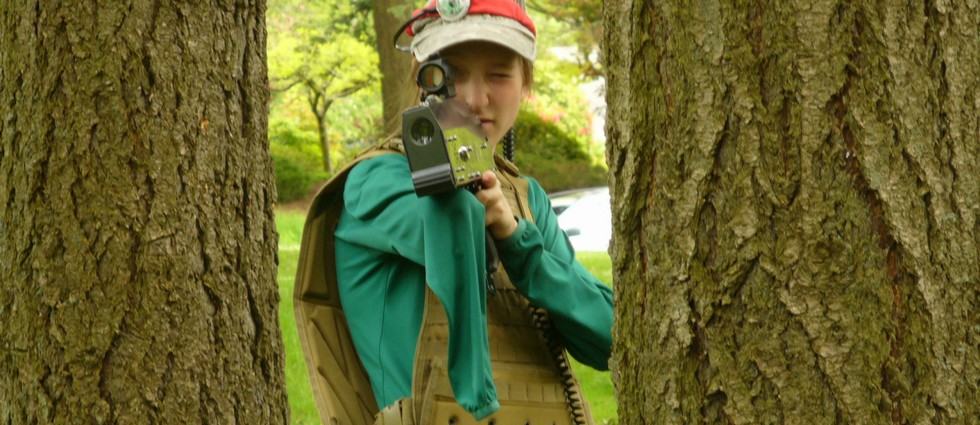
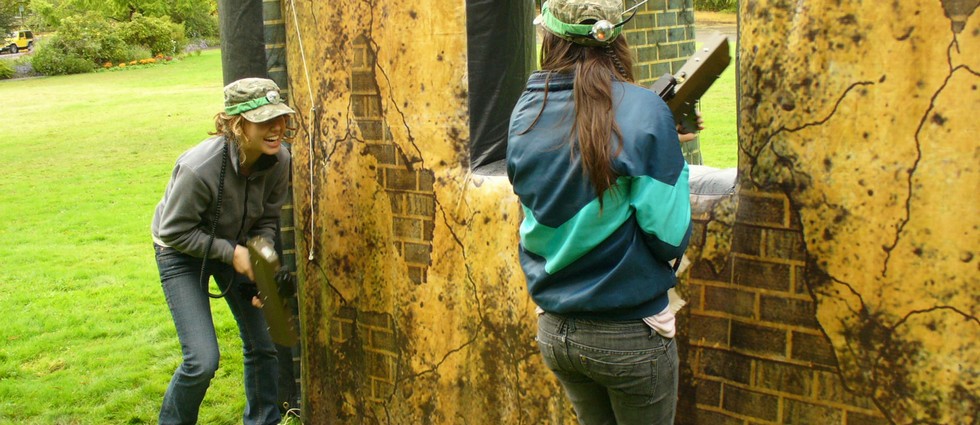
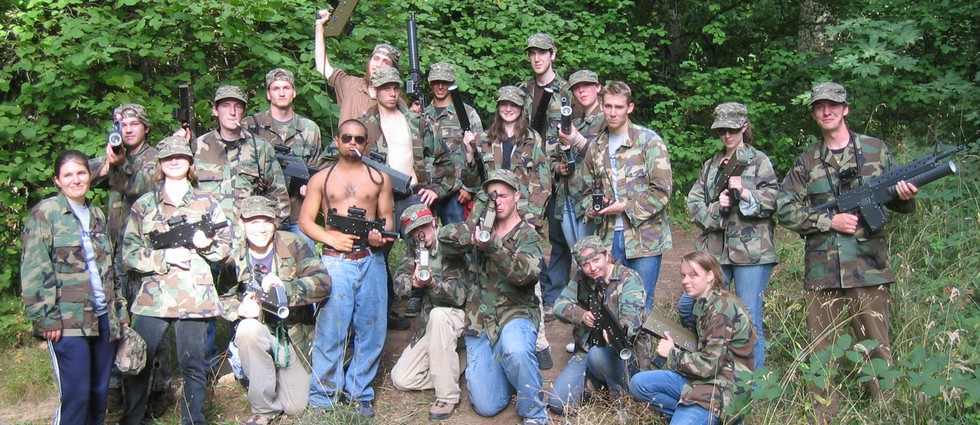
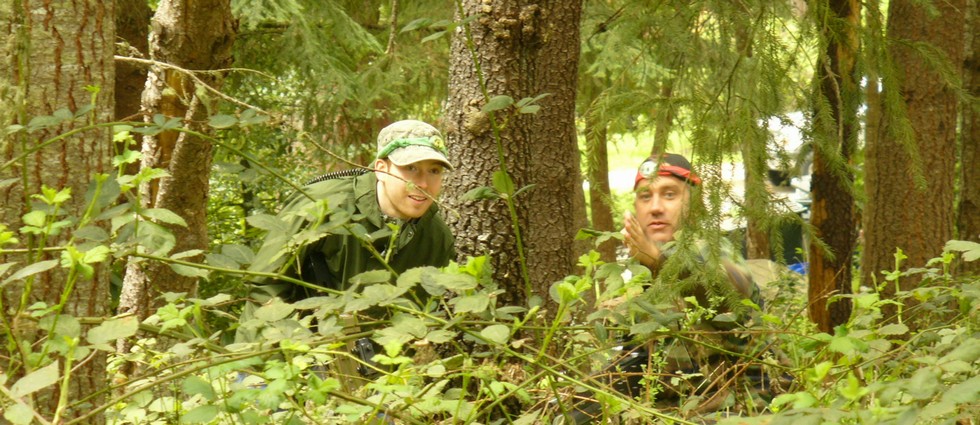
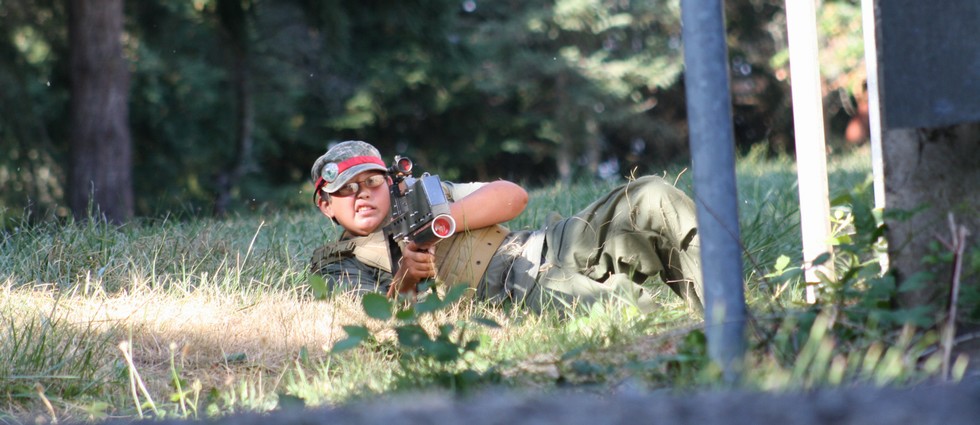
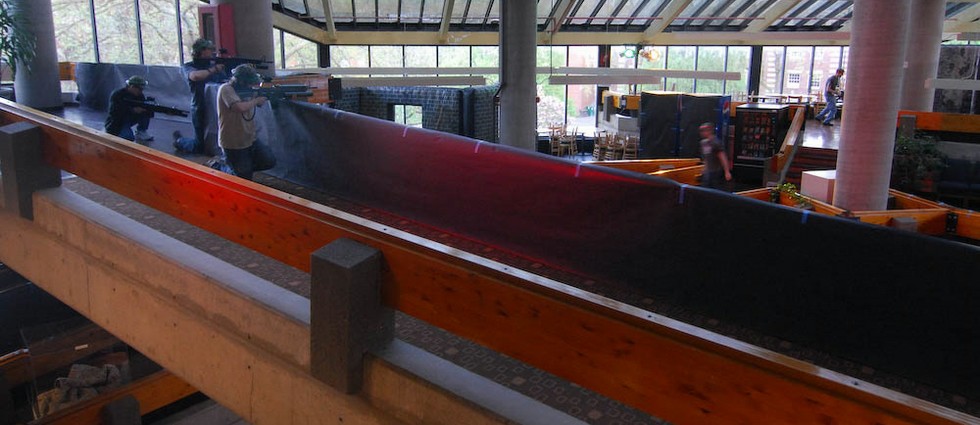
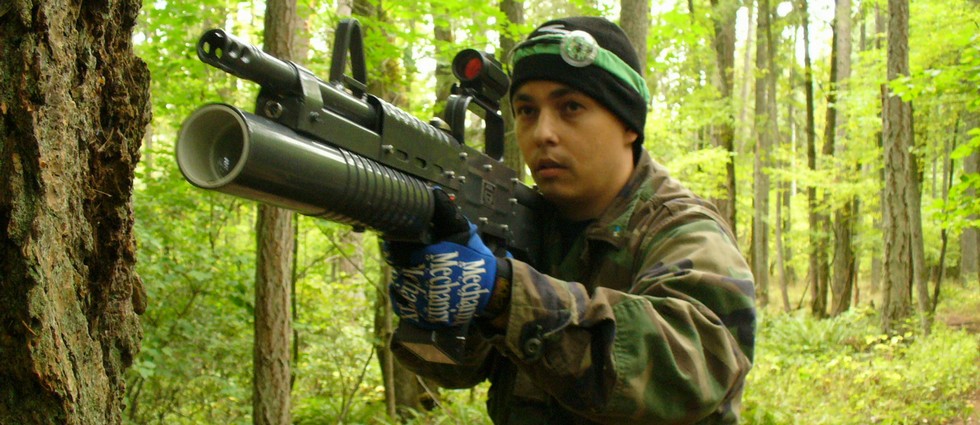
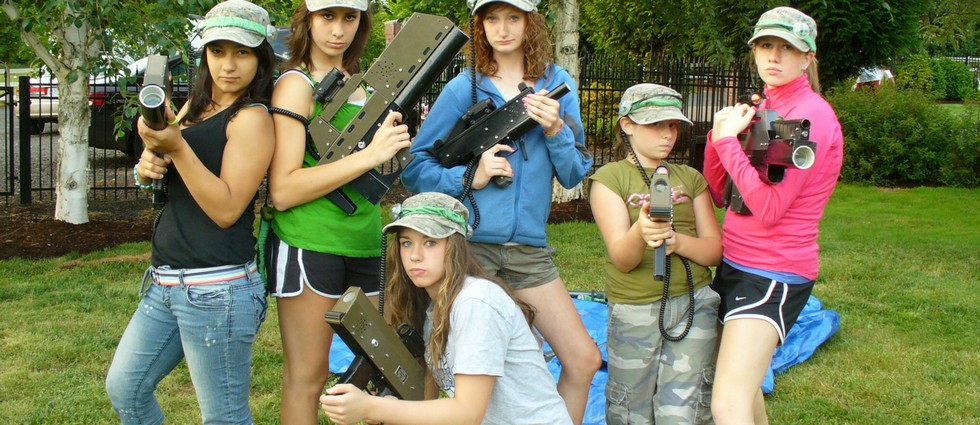
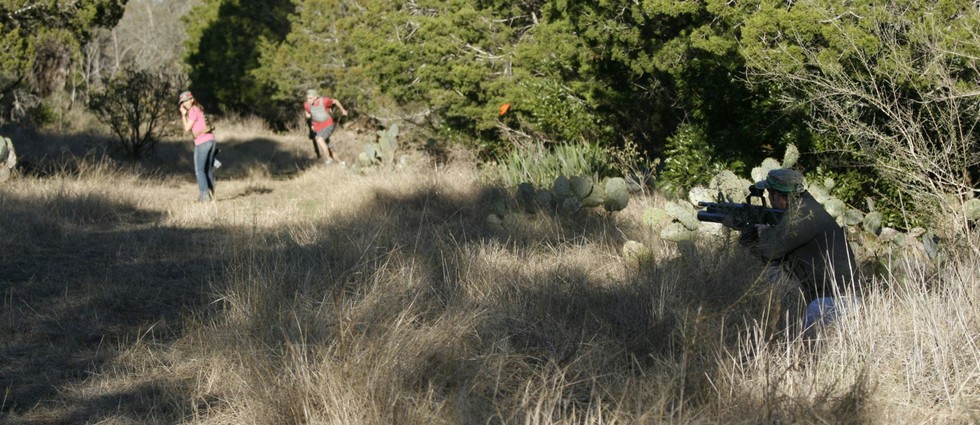
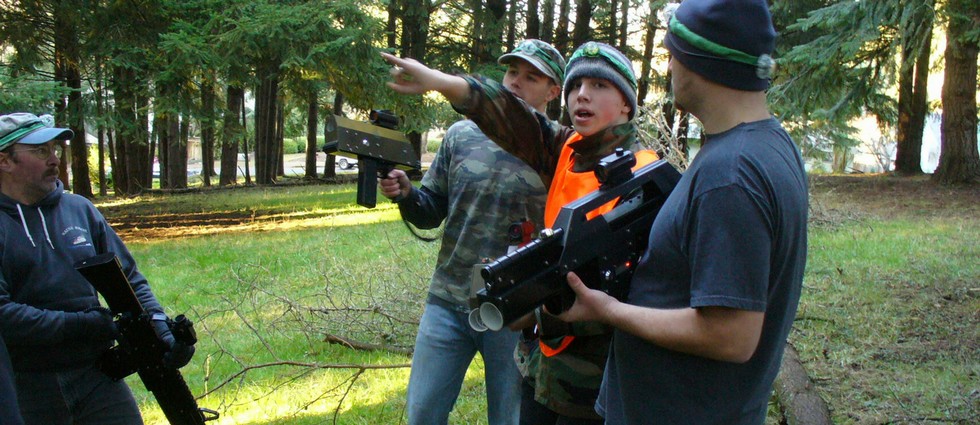
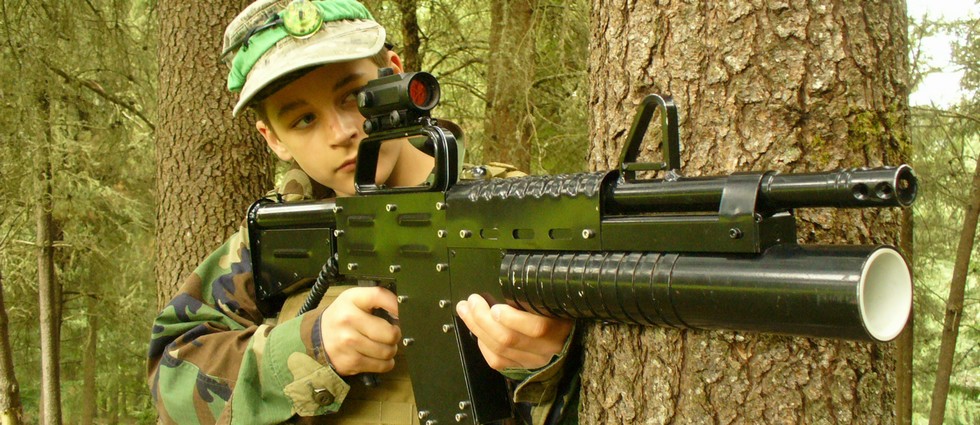
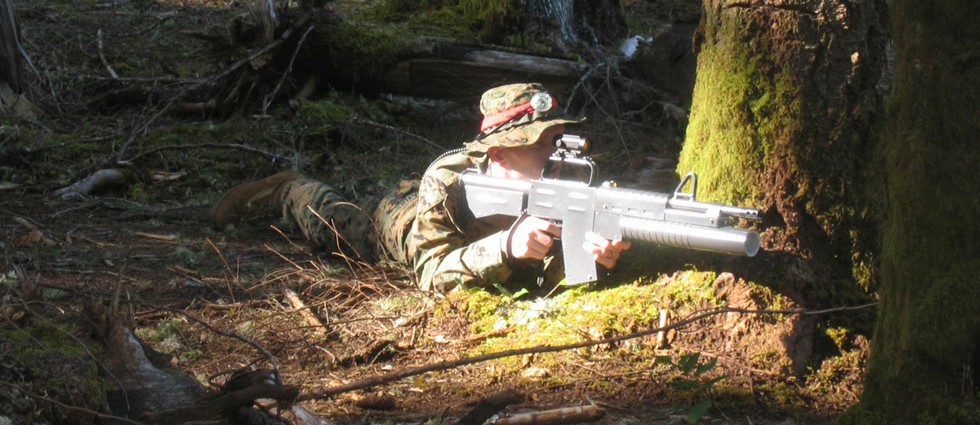
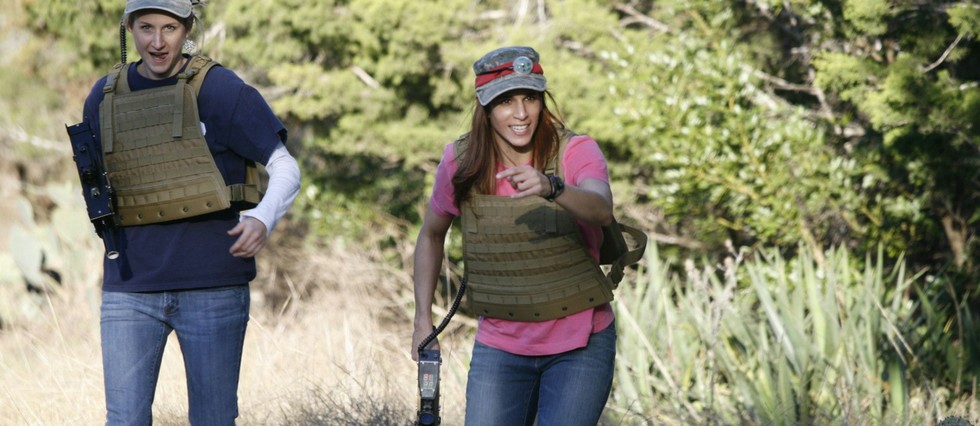
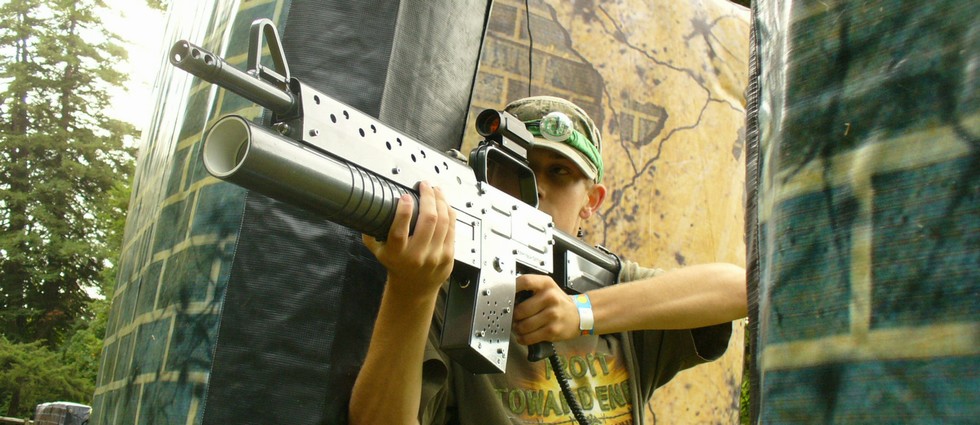

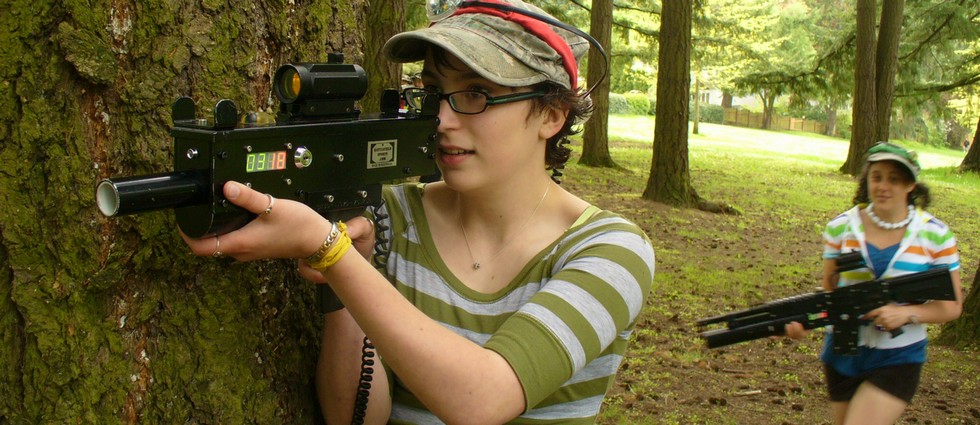
While this is coming a bit late, we do want to take a moment to respond to concerns that might arise in the wake of recent shootings, primarily those at schools.
It is not uncommon for us to receive questions about violence and school shootings in connection with our sport. Could a school shooter learn how to do what he wants from playing with us? Do we encourage a violent perspective? These questions are valid and welcome; we love to have the chance to discuss this topic!
In short, although it seems confusing at first, what we do is actually the opposite of what school (or “active” shooters) are trying to do. This can basically be summed up in a few points. Feel free to familiarize yourself with some of the interesting strengths that actually deter violence in our sport.
- Play stops whenever an actual act of violence occurs. Anything from an actual injury to merely heated words between players stops the game until the situation is resolved and found to be safe. Players inherently avoid actual violence on the field itself as a result and it’s not uncommon for members of an opposing team to be the first to call a halt to play when they see someone injured.
- Players are accountable for their actions on the field. We track down and nip in the bud anything that can diminish the overall experience for players on the field and even if we don’t see something happen ourselves it’s very easy to solve because we’re the “fun providers” rather than “enforcers,” so we never have a problem getting players to help us get to the bottom of a situation. We regularly resolve everything from bad sportsmanship to cheating this way and could easily catch something worse if it were to actually happen on the field.
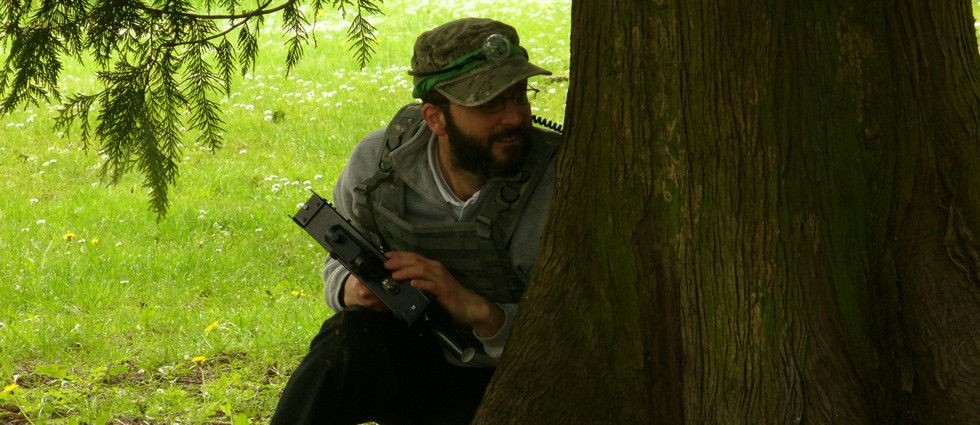
- Our employees can spot and deter antisocial behavior. Because we use people and not computers to moderate the play on the field we can catch behavior that, for instance, a computer in a violent video game could never hope to spot. This allows us to ensure that everyone possible is playing and having fun as often and as smoothly as possible. At the same time, it’s easy to detect cheating, bad sportsmanship, or even someone getting frustrated or angry. We can spot red flags before they even start waving thanks to having human eyes on the situation at all times.
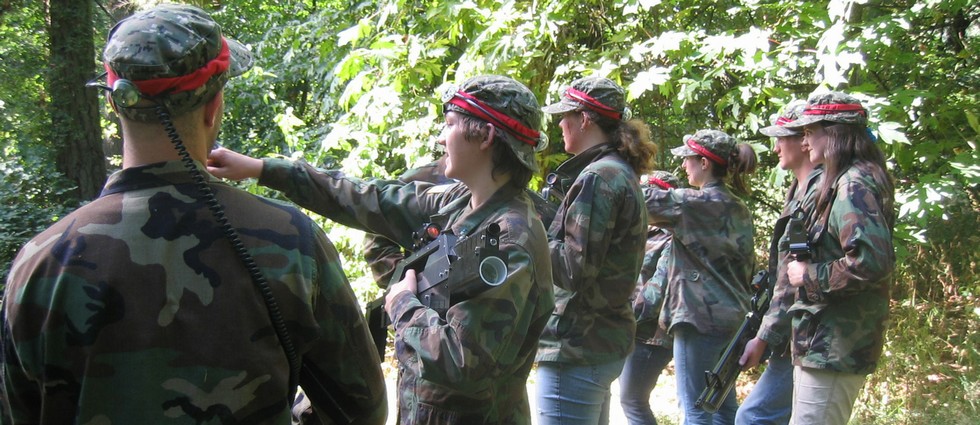
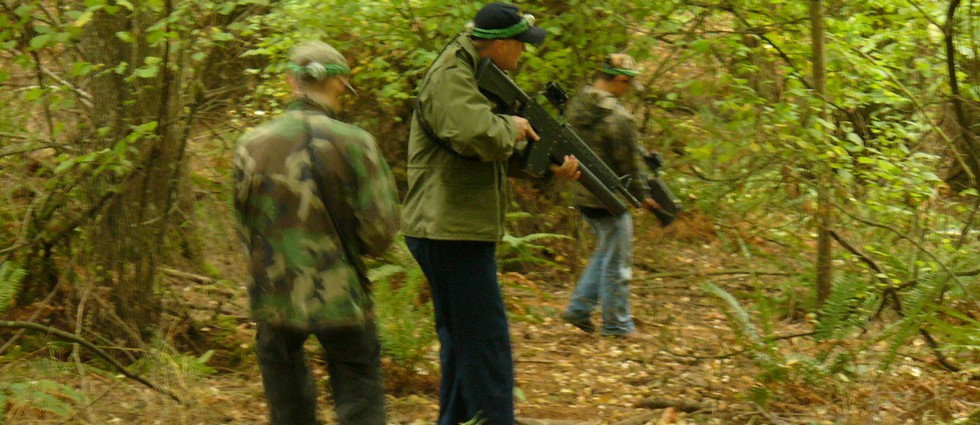
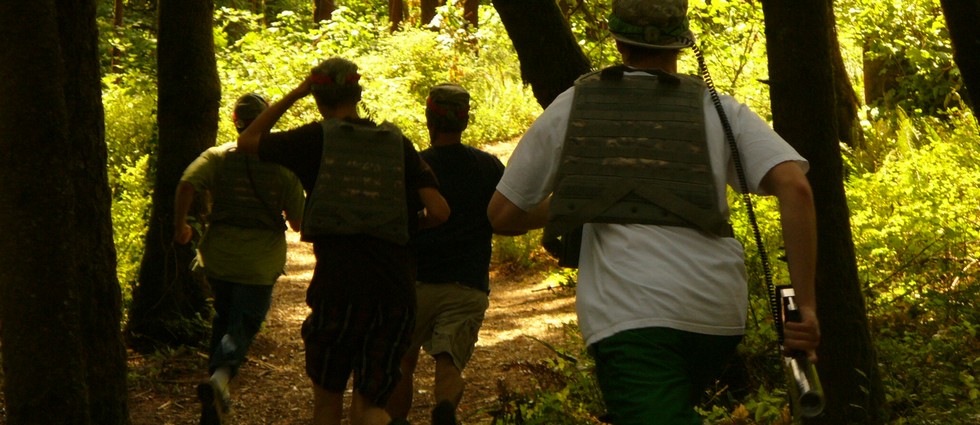
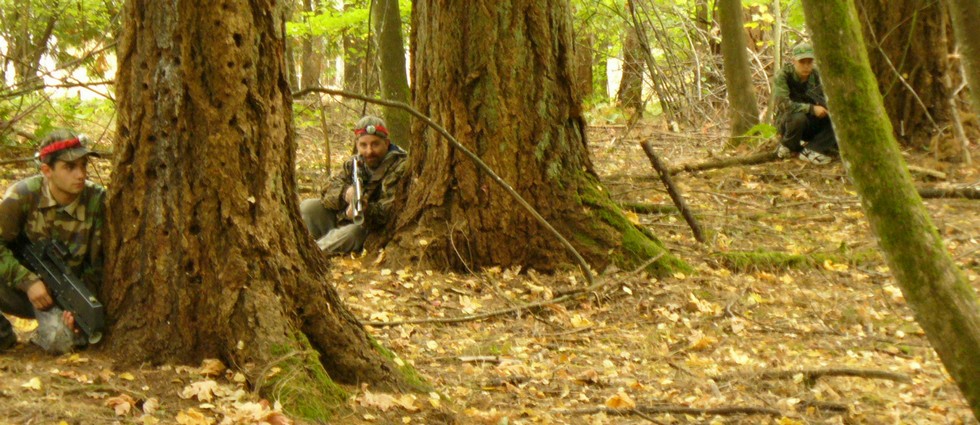
- Players are rewarded for team (and not individual) play. All of the objectives in all of our games require that the whole team wins or loses together. The team that wins is without exception (barring only a run of bad luck) the team that had the best communication and leadership. By contrast, every active shooter ever (mall, school, theater, etc.) has used individual and not team tactics. Even in Columbine, where there were two shooters, they each used individual tactics instead of working together. And not only do we emphasize that team approach but we switch up teams periodically, meaning that everyone eventually has successful operations with everyone else playing.
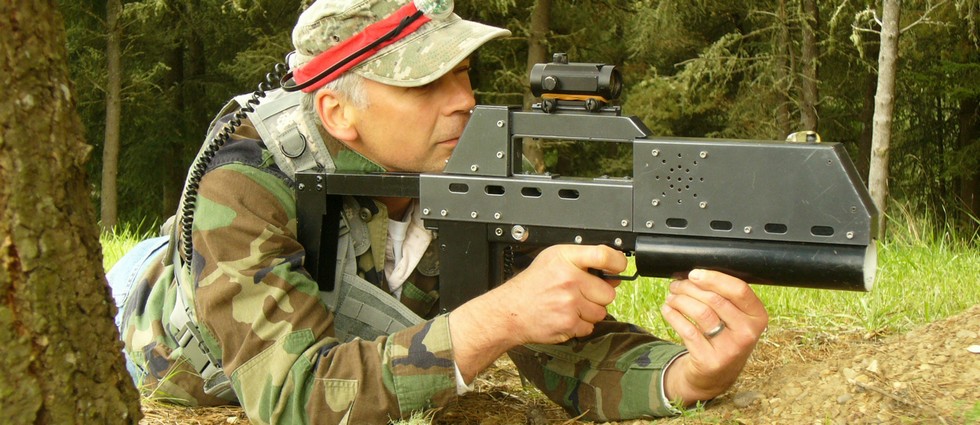
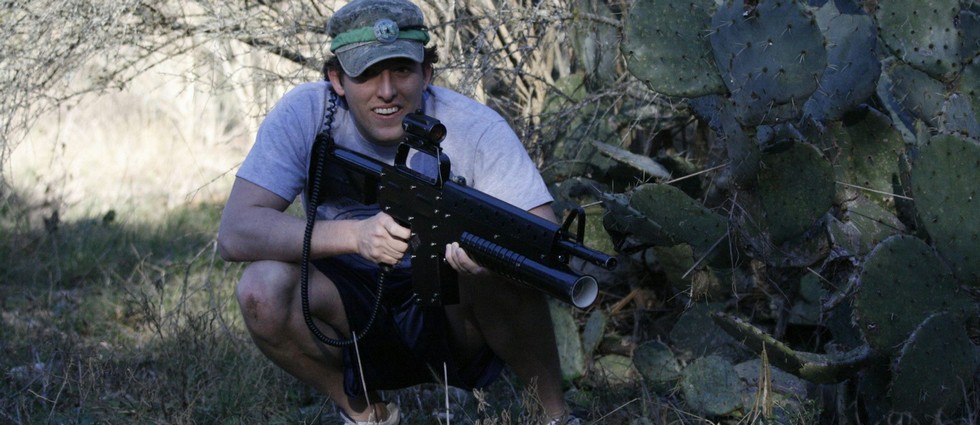
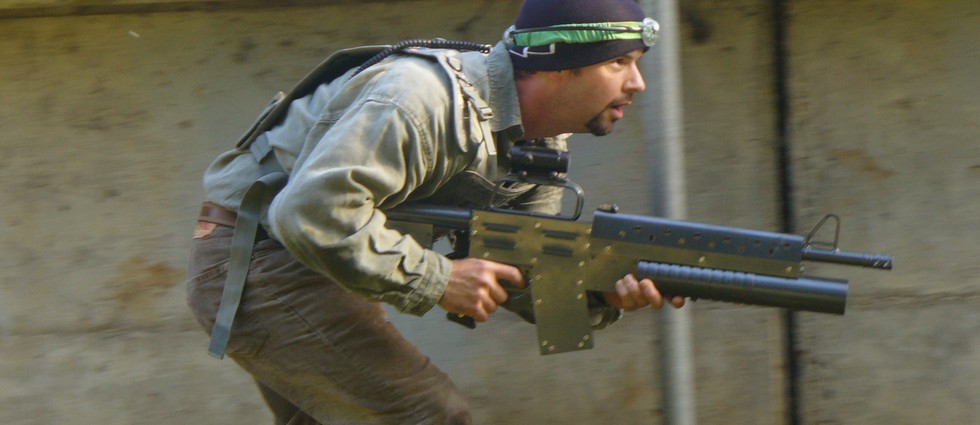
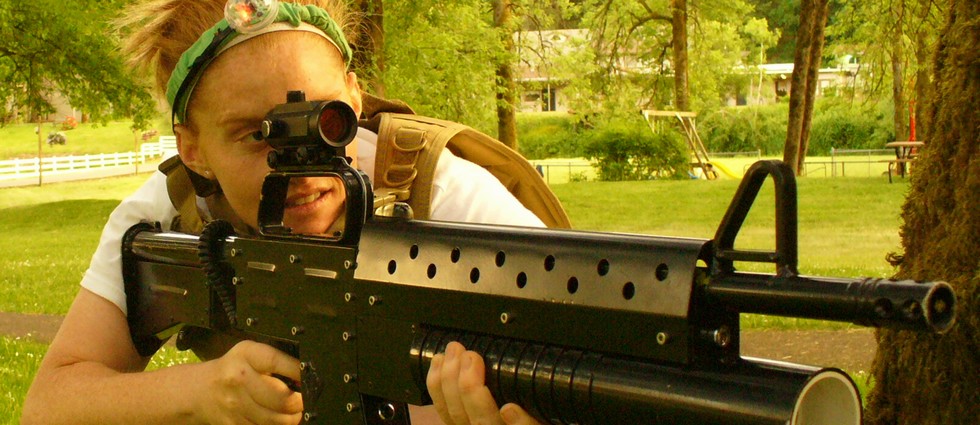
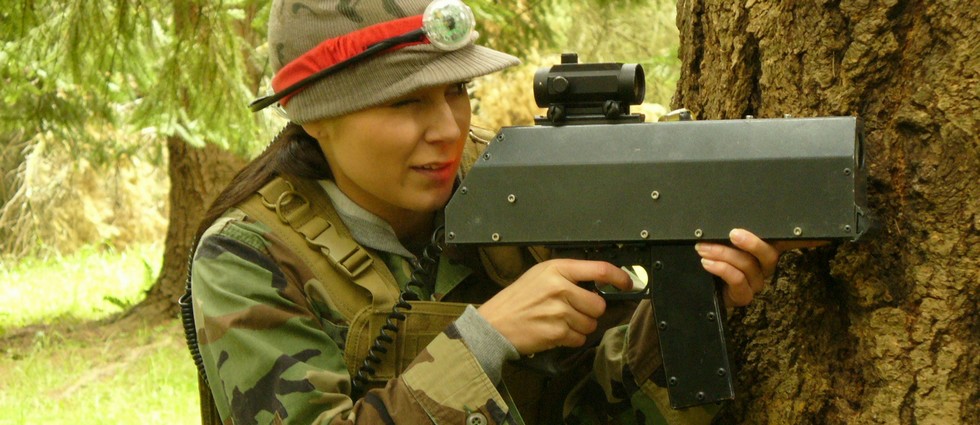
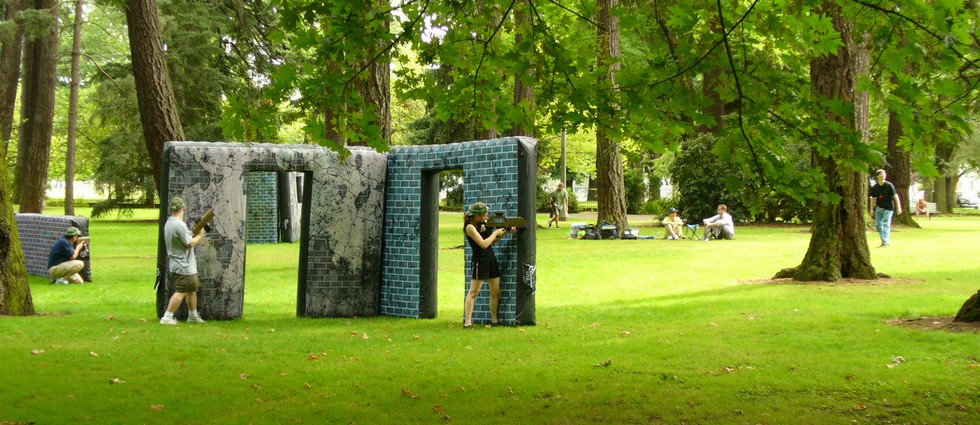
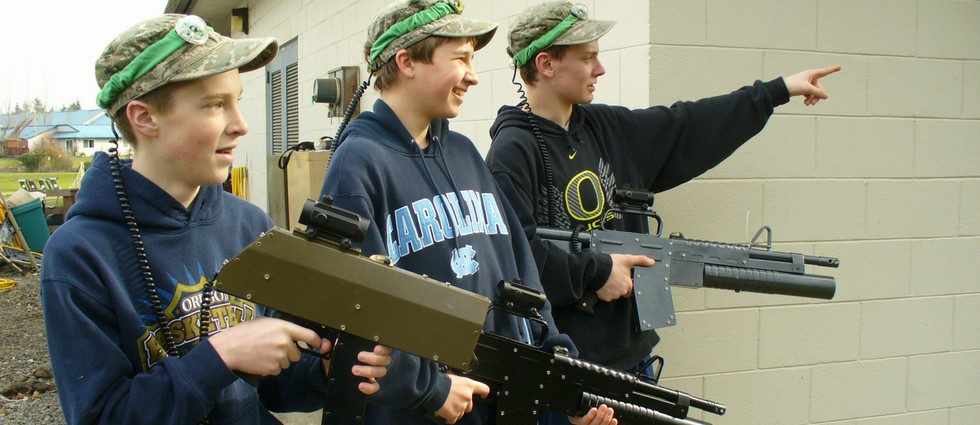
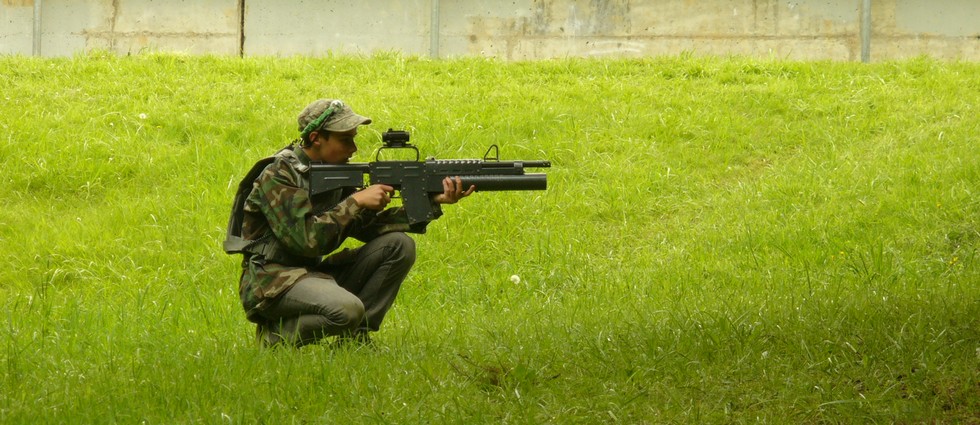
- Although our guns are flashy, they’re the least interesting thing on the field. While they get a lot of attention, the guns on our field work the same way every time. Their range is the same, their spread is the same, their weight and size are the same, etc. Instead, look at our props. Our fake three-part bombs might actually be a bomb to disarm, pieces of a radio, black boxes from a fallen jet fighter, a remote transmitter for listening, etc. Our laptops might hold communication, enemy codes, weapon specs, etc. The “domination boards” might be a flagpole, control points on the field, show progress across the battlefield, etc. Our flags might denote bases, waypoints, boundaries, or more. The point is this: we don’t play games that are gun-based, we play games that are objective-based.
- Studies show that combat sports like laser tag encourage comraderie, not violence. Not only have combat sports been used to re-acclimate soldiers to civilian life (allowing them to separate the “danger area” from the activity, which permits them to mentally leave the stress over there) but it’s also been shown to help build the kind of “military buddy” mentality that actual combat tends to foster. This means that bringing out your group to play can actually build really strong, postitive emotional ties to the rest of the group, as well as enhancing their communication and leadership skills. Needless to say, this directly combats the mentality that school shooters develop.
- Players learn how to respond to violence and can save lives in an actual shooting. Even though the shooting is all completely simulated with laser tag players still learn what the flow of combat feels like. For instance, they learn to listen for cues (like their opponent reloading) that indicates that they have an advantage if they move immediately and decisively. Also, they learn that moving TOWARDS danger can be the best way to prevent damage to their team. How does this apply to an active shooter? Experts all over the world (security, police, military) are increasingly advocating that if you can’t escape or evade an active shooter that you attack them! Several shootings in the past several years have stopped when someone tackled the shooter either from behind or while they were reloading. Playing tactical-style laser tag like the kind we offer can actually passively teach players exactly when they’re safest to stop a shooter and save lives.
- Most importantly: active shooters don’t engage in shootouts. In our sport the other team is equipped about as well as you are. In active shootings, however, the shooter looks for situations where he can act with reckless abandon. In fact, in every shooting with more than three victims since 1950 the shooting occurred in a Gun-Free Zone. To put it another way: active shooters wouldn’t bother playing with us in the first place because it’s not what they want to do. When faced with aggressive opposition active shooters usually kill themselves before capture if possible. Active shooting is about control and fear, but our sport is all about teamwork and goals.
If you have any other questions you should always feel free to e-mail or call us.