



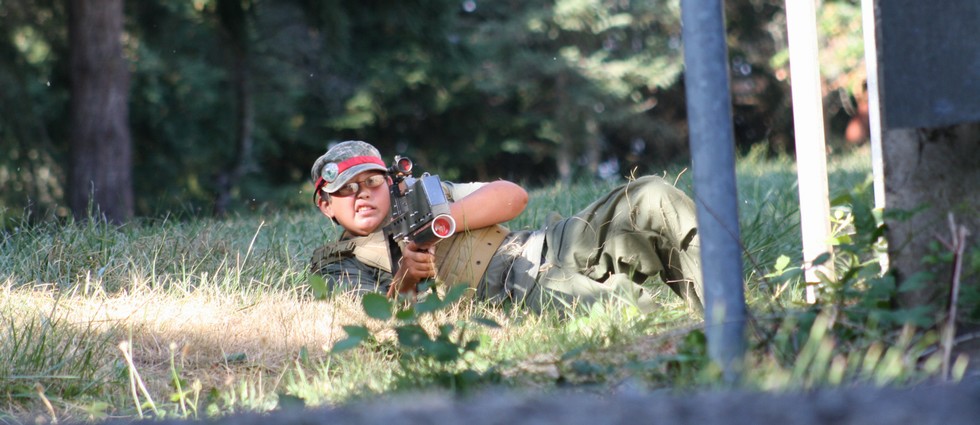
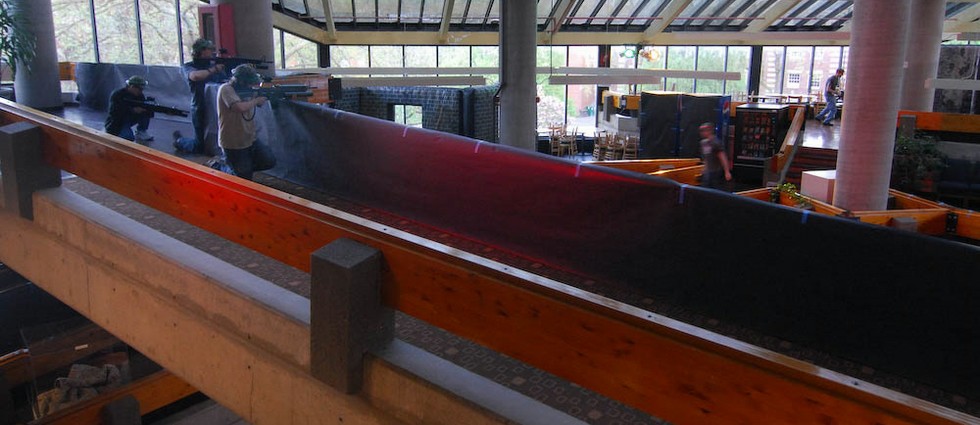
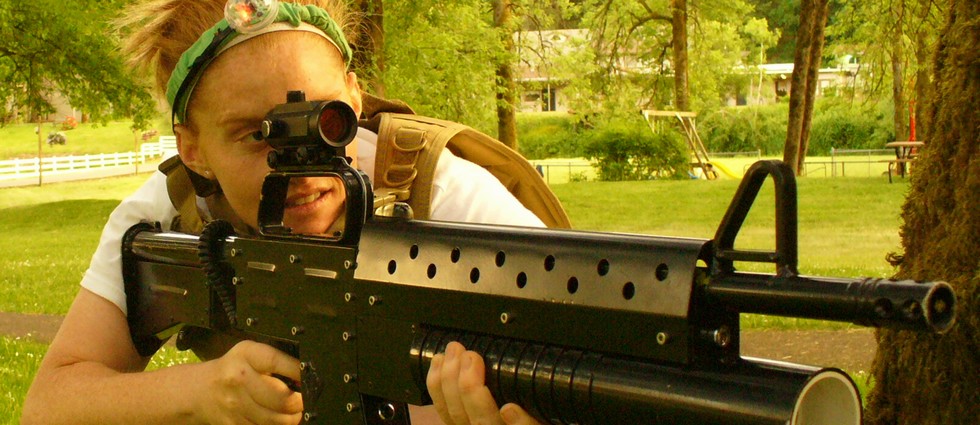
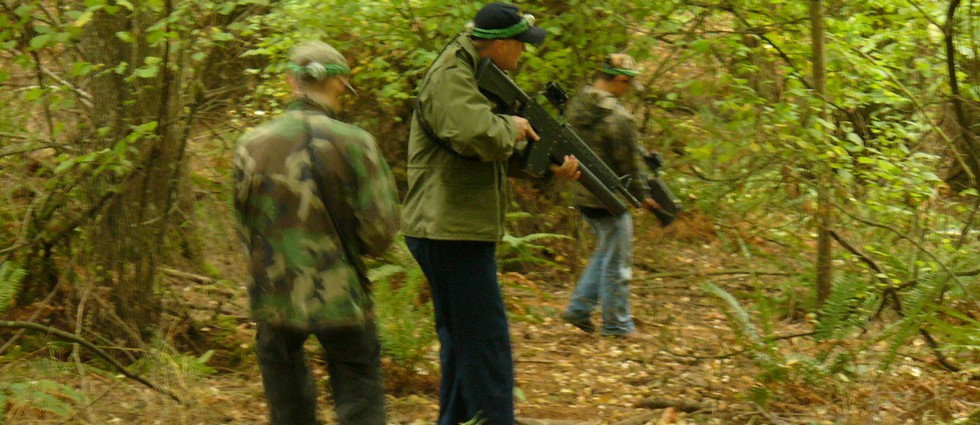


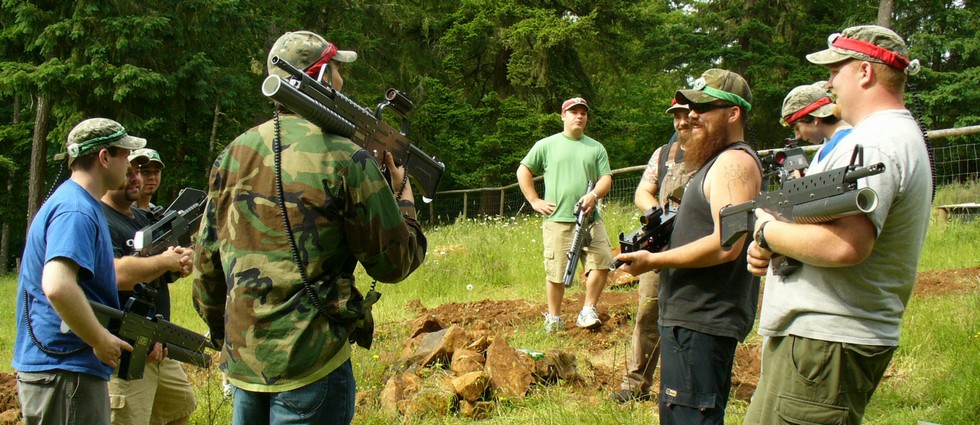
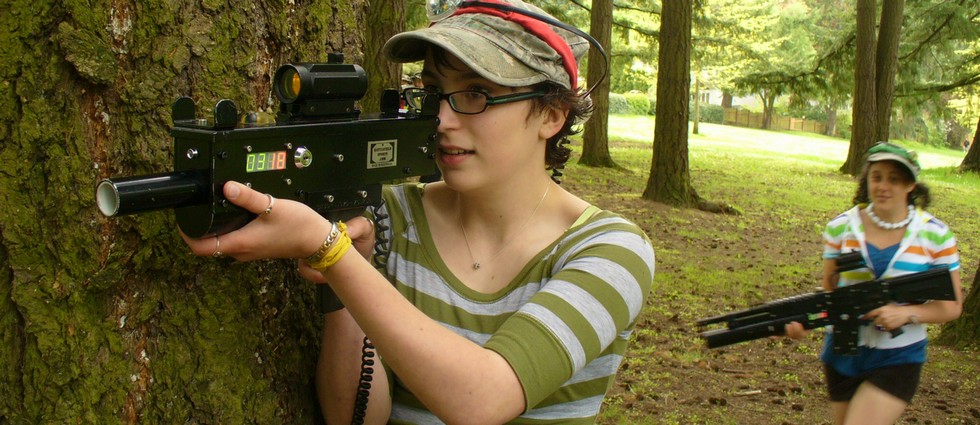
The last installment in our five-part series on stealth tips, we’re focusing on stealth tips related to distraction! When you absolutely, positively MUST have your opponents looking somewhere else, it’s time for distraction. What makes a distraction work? How do you tell whether it’s working or not? How do you best use a distraction? This week those questions are answered with our stealth tips on distraction!
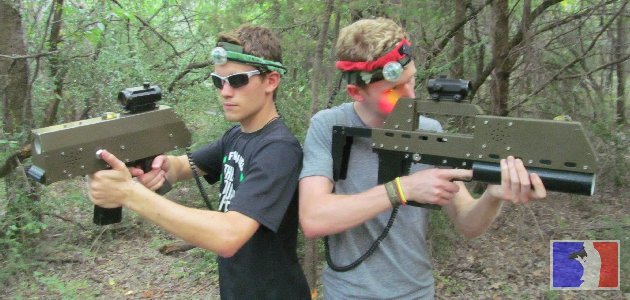
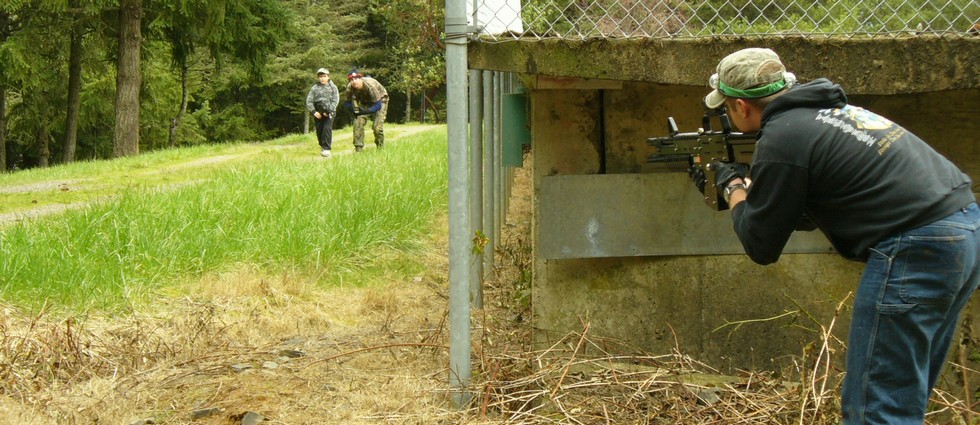
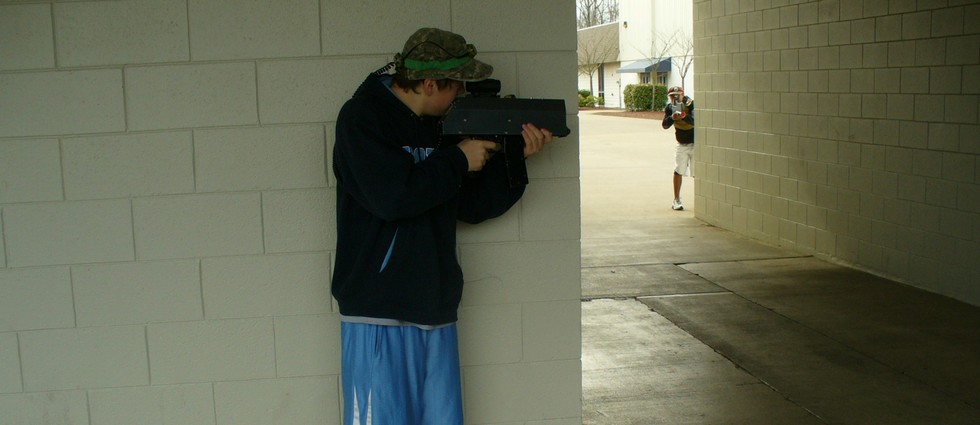
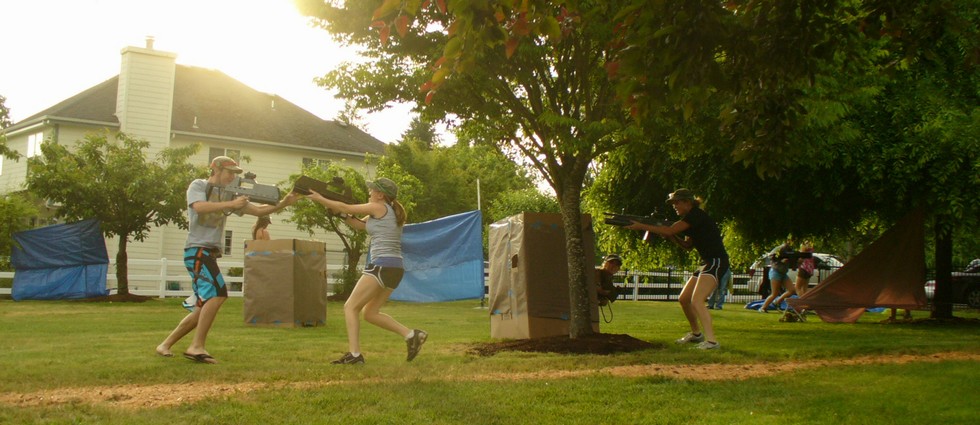
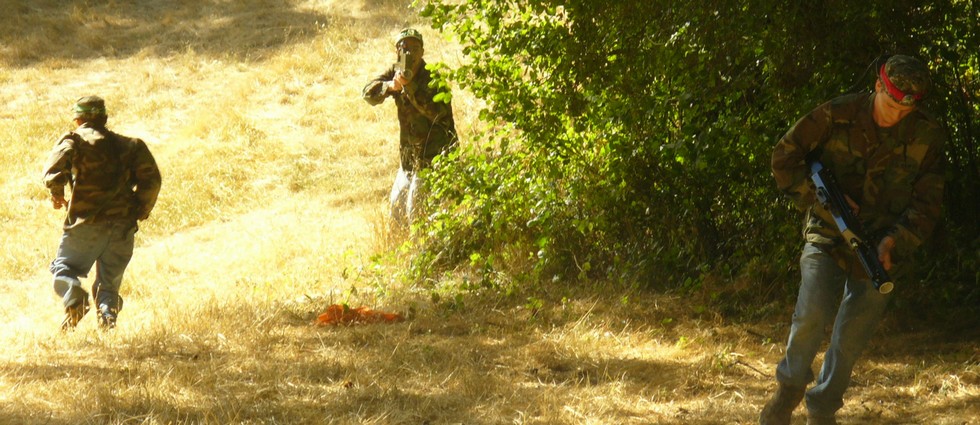
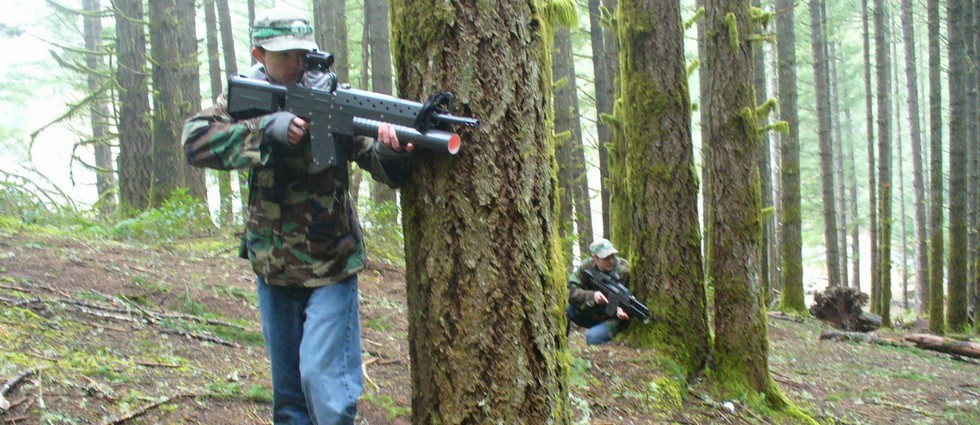
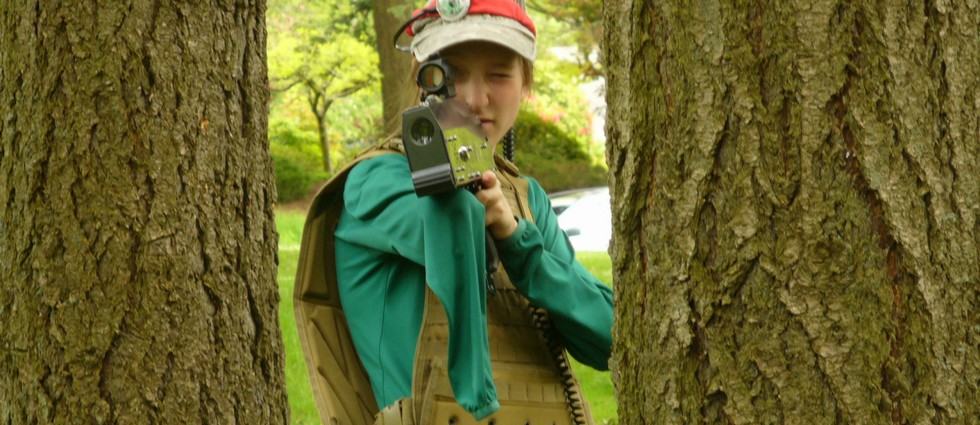
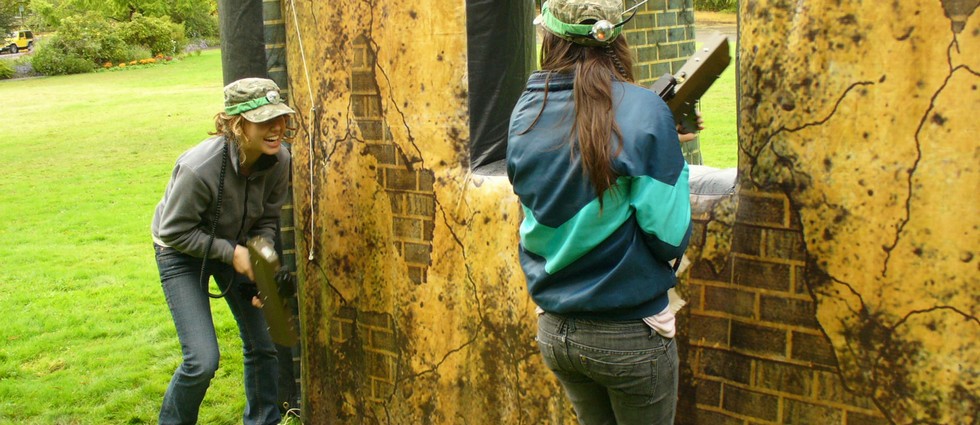
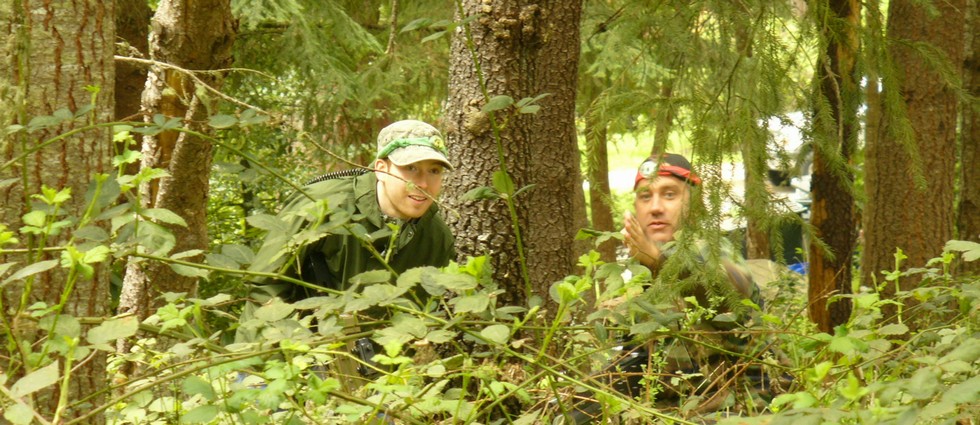
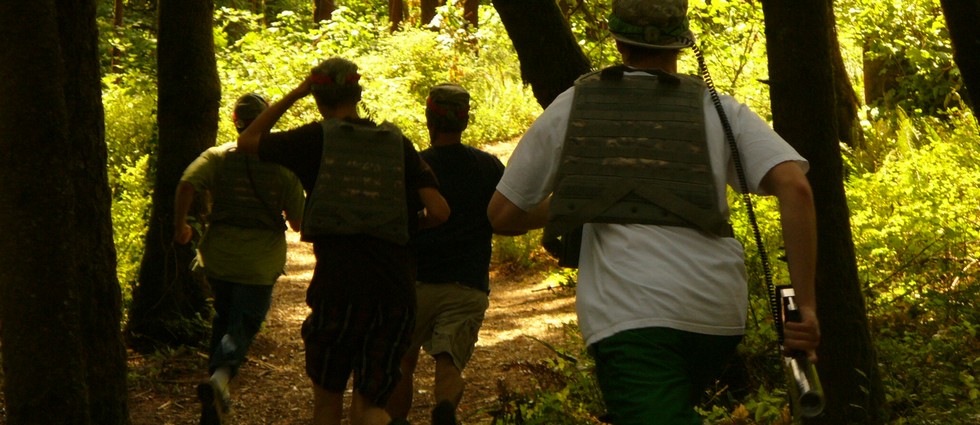
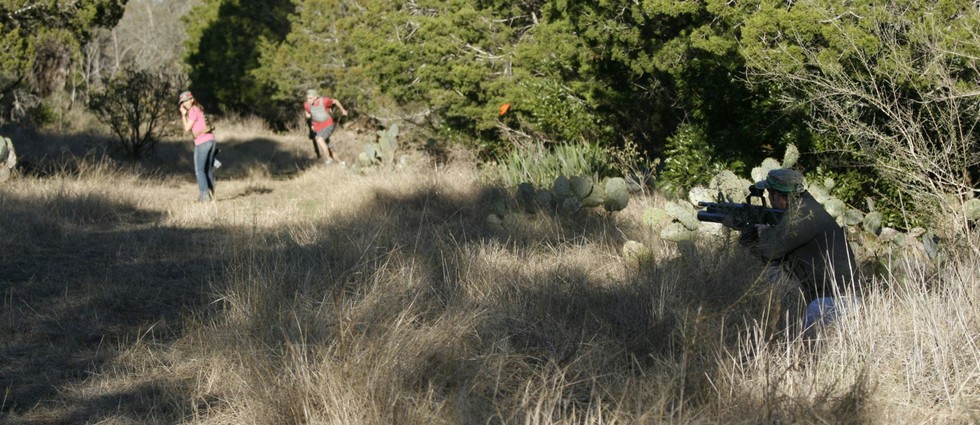
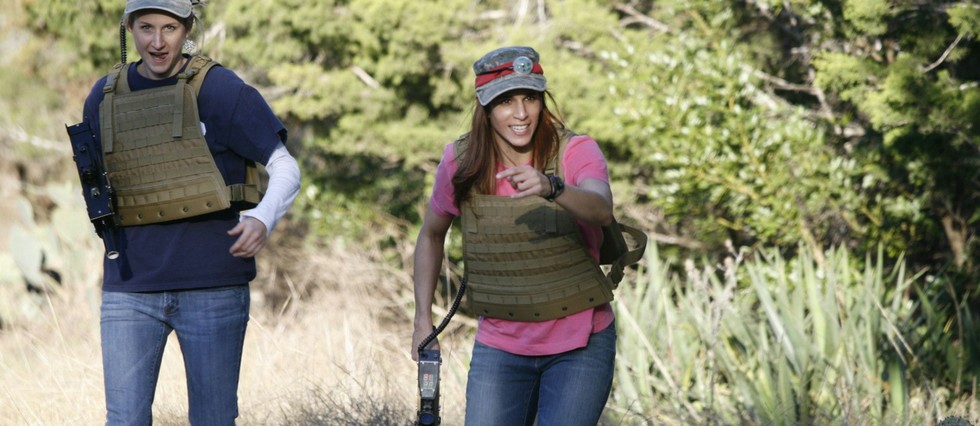
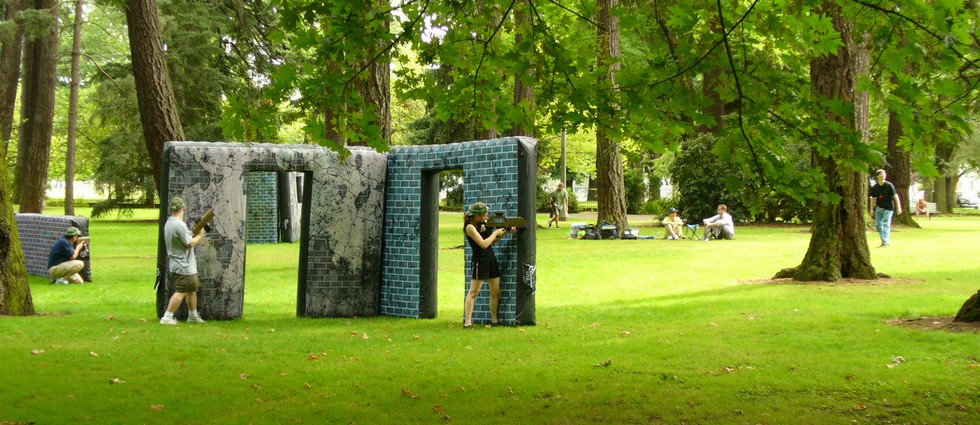
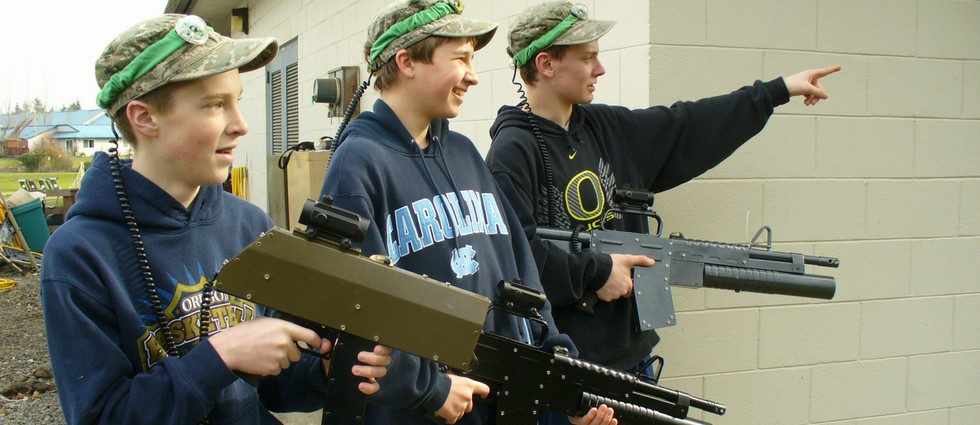
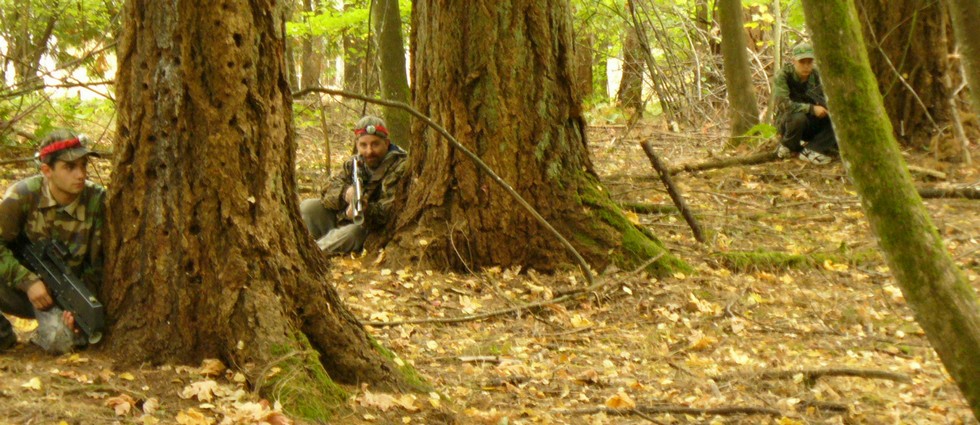
This is what it looks like when your distraction is NOT working. Follow our stealth tips and your opponents will look in the SAME direction, allowing you to sneak past.
Jump to another part of the series on stealth:
Sound – Silhouette – Concealment – Camouflage – Distraction
We’ll admit it: when you think of stealth tips, distraction probably isn’t normally on that list. And to a large degree, you’d be right. After all, stealth is one of the things that helps you maximize the impact of a distraction, right? The bottom line, though, is that stealth is what you use to prevent your opponents from detecting (and then shooting) you on the field, and nothing makes it harder for your opponents to spot you than making sure that their eyes aren’t even pointed in your direction. A distraction is categorically a failure if it does not attract the attention of every single pair of your opponents’ eyes in the target area. The reason for a distraction is to allow a small fire team of shooters to work their way behind enemy lines for some sort of sub-mission. That might be to eliminate a key target or it might be to retrieve secret plans. Whatever the mission, a distraction allows the fire team to sneak in and (hopefully) sneak out, too. The advantage of distraction is that it does not require your side to hold the entire field to accomplish your mission. So in short, you use a distraction to get a fire team (or smaller) group into key mission areas for quick completion of an objective which would otherwise require you to crush the other team before you could attempt the objective.
Stealth tips for distraction that WORK
- If your goal is to grab the attention of most or all of the other team, then you’ll need a distraction that warrants the attention of most or all of the other team. This basically means that you’re probably going to be sending your entire team to attack one area of your opponents’ line of defense.
- If you’re going to attack all in one area, then make it an area that at least gives you protection. You don’t have to hit the weakest part of their line. Hit the area that lets your team be as concealed as possible as they fire on the other team.
- You MUST be perceived as a threat, so it would be helpful if some of your “fake” attackers are assigned to try to move up towards enemy lines. If they’re getting too close or it seems like they might actually overrun the opponents, then your own team should shoot them to eliminate them.
- The worst thing that could happen with your distraction attack would be if it caused the other team to retreat closer to the objective that your fire team is going for. With this in mind, consider that a false attack must take place a good deal of distance away from your opponents’ base.
- Similarly, if you’re constantly tagging out opponents and there’s a steady stream of them running back to their base for respawns, you’re more or less guaranteeing that at any given point there’s at least one pair of eyes looking in exactly the opposite direction from what you want. It could be helpful if most of your team was instructed to fire high or in the wrong direction and only one or two skilled snipers hit the opponents, and only at large intervals, so they don’t die very often. These snipers should also ideally be able to let the fire team know (by radio or a cell phone) when someone is coming back to respawn.
- A distraction must LOOK like a normal attack. Therefore, having members of your side shout things like, “Look at me, Red Team!” or even just random shouting in general is a clue for your opponents that all may not be as it seems.
- Distractions can not, ultimately, work for very long. The fire team must get in, do the job, and get out. If the task can not be completed in time then the fire team runs a very dangerous risk in staying. That said, a distraction will not work twice, so sometimes the risk is worth it. After all, the worst that can happen is that you have to go back and respawn.
- If you’re on a fire team behind enemy lines for a task while your teammates are trying a distraction and get tagged out, make it sound like now that you’re dead there’s no way your team will achieve the goal. Your hope is to convince them that you were the last/only person to find on the fire team and now that you’re dead they can focus on the distraction again.
- Unless you’re using radios, most of the distraction team will not know when the objective is complete, so use a distraction to achieve something that ends the game or you may find the distraction team eliminated. (After all, they’re trying NOT to actually kill the opponents but that favor is not being returned by the other team!)
- While it is tempting to use all of your best players on the fire team, you need great players on the distraction team, too.
If you haven’t guessed yet, even setting up a distraction ploy is difficult and both space- and time-consuming. That said, when it works the results are nothing short of devastating. Also, be aware of how to set a distraction up so that you can have a shot at detecting one used against you! Using our stealth tips will make your distractions more effective, last longer, and help you win.