

In past articles we’ve covered laser tag stealth related to sound, your silhouette, and concealment. This week we’re tackling one of the topics that comes up first when people think of how to be stealthy: camouflage. How is it best used? What types are best? What are the wrong ways to wear camo?
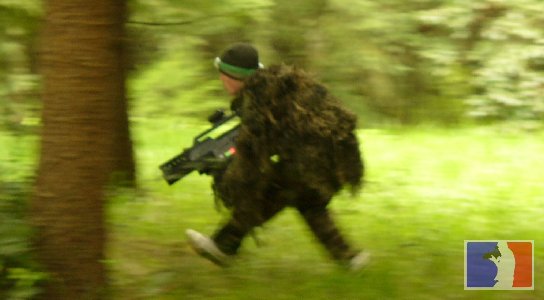
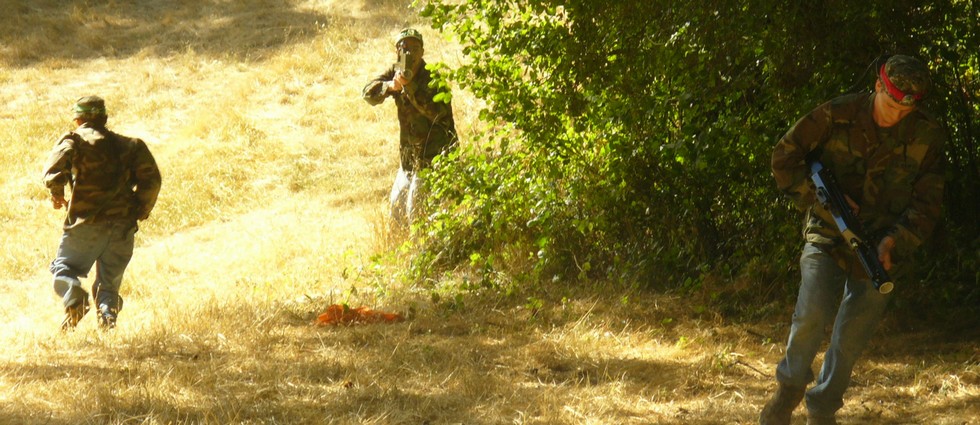
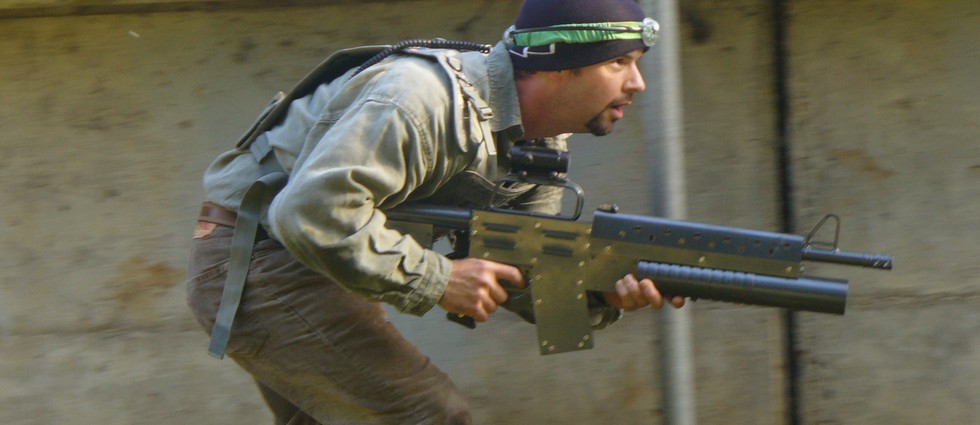
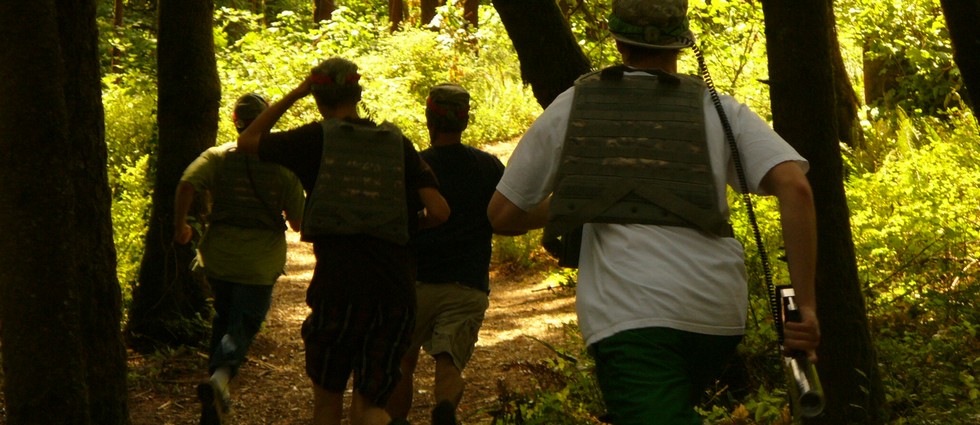
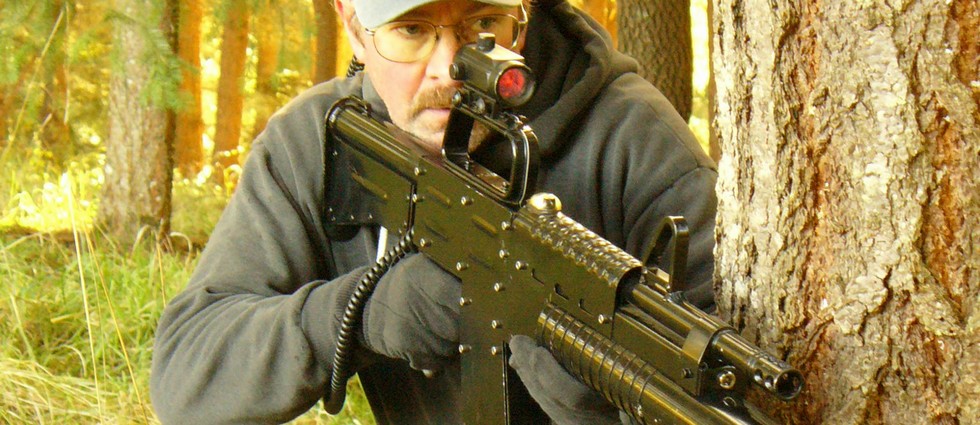
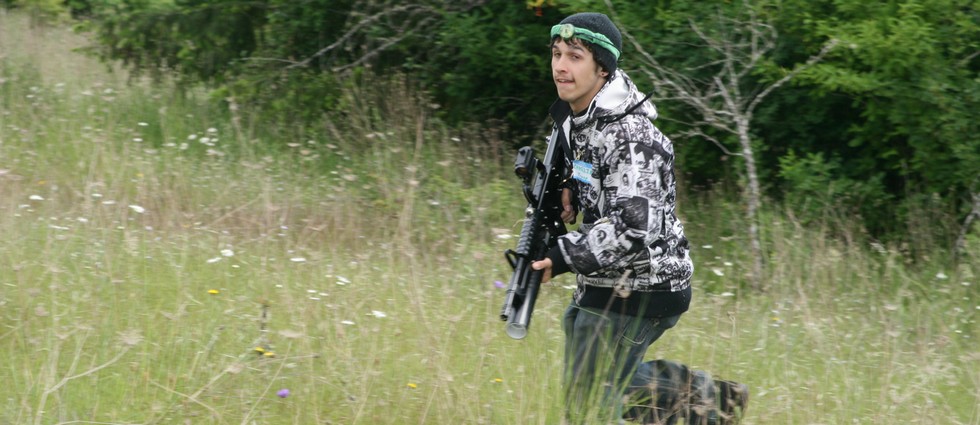
Camouflage (or camo, for short) needs to be used appropriately. The ghille suit here is an example of camo that is a bit too dark for its surroundings. Also, this is a great example of why running in ghille is such a bad idea.
Jump to another part of the series on stealth:
Sound – Silhouette – Concealment – Camouflage – Distraction
First, the basics: the function of camouflage is basically to serve as concealment that can move with you. Camo, like concealment, is something that is designed to break up your silhouette, make it harder for the eye to find you, and can’t stop any shots coming in to you. And the fact that it’s attached to your body means that it will always be covering you. That said, camouflage also has it’s drawbacks.
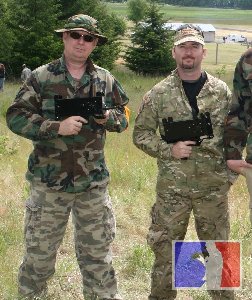
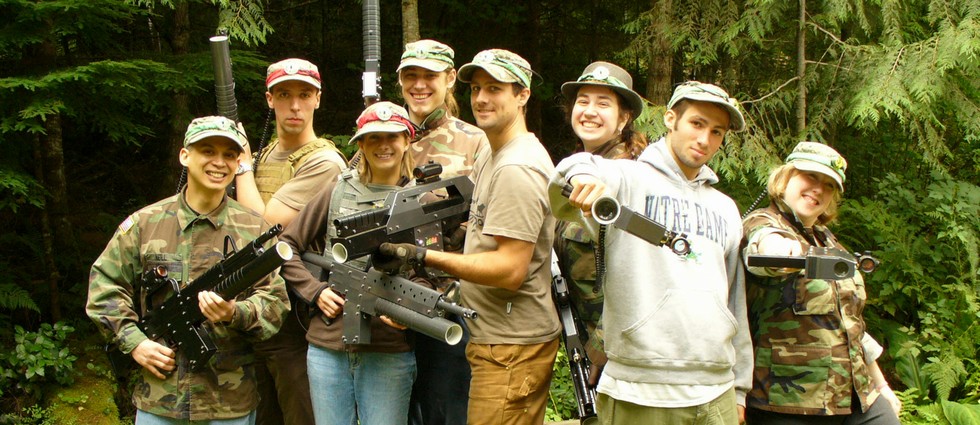
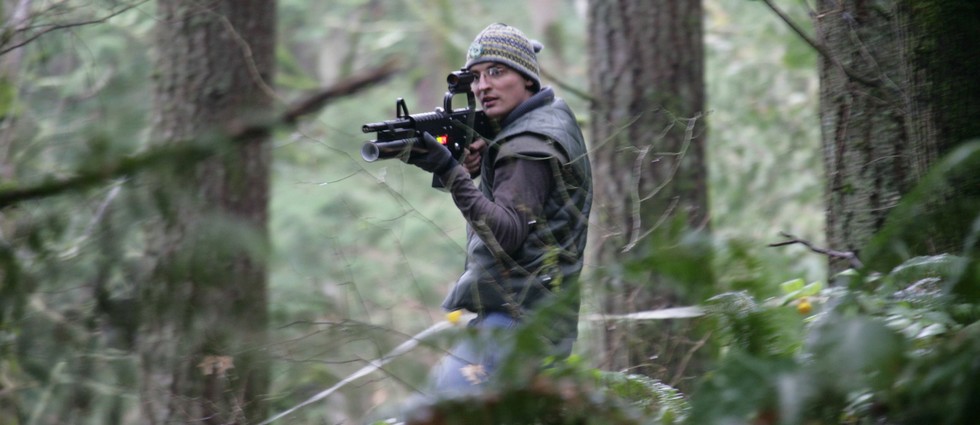
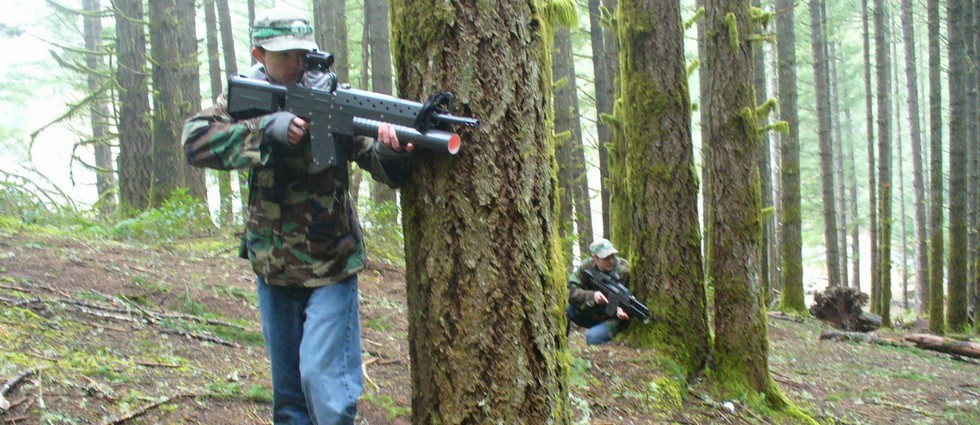
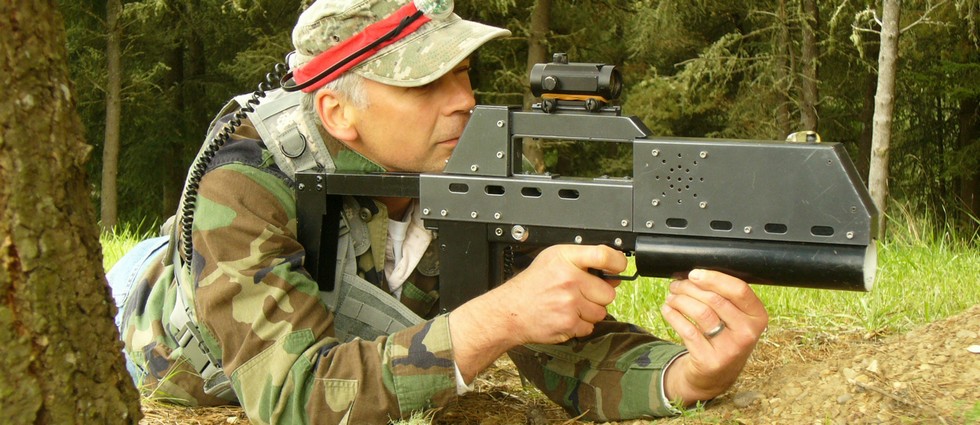
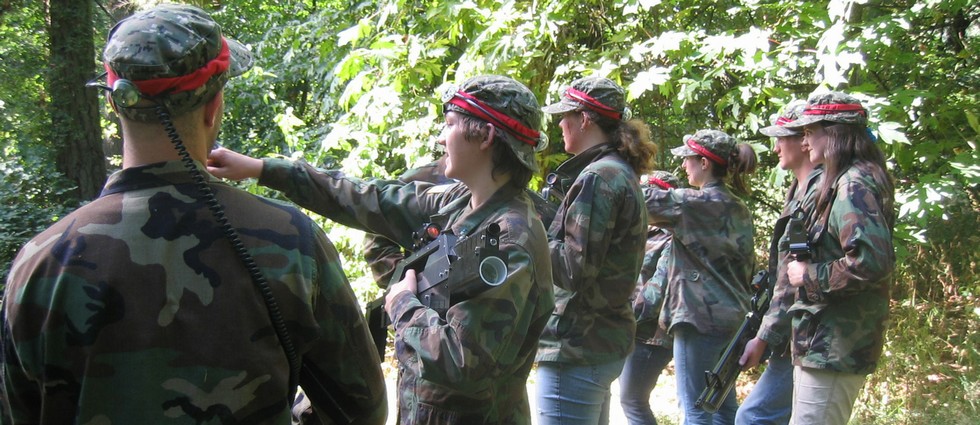
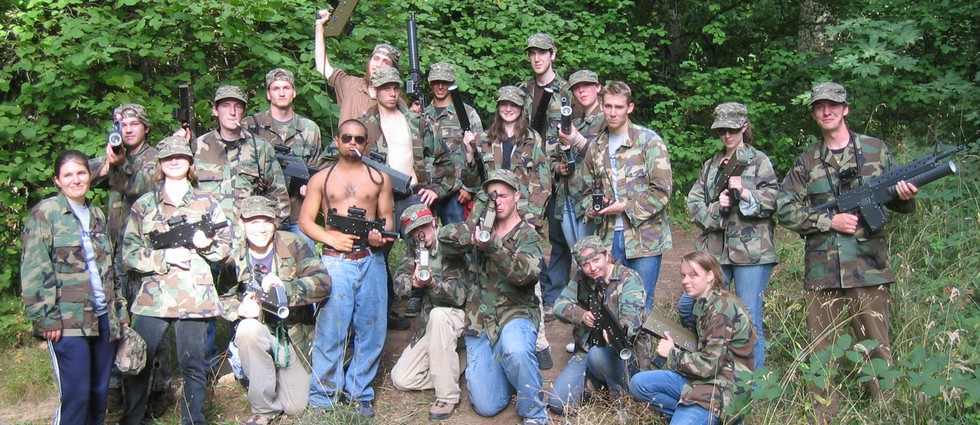
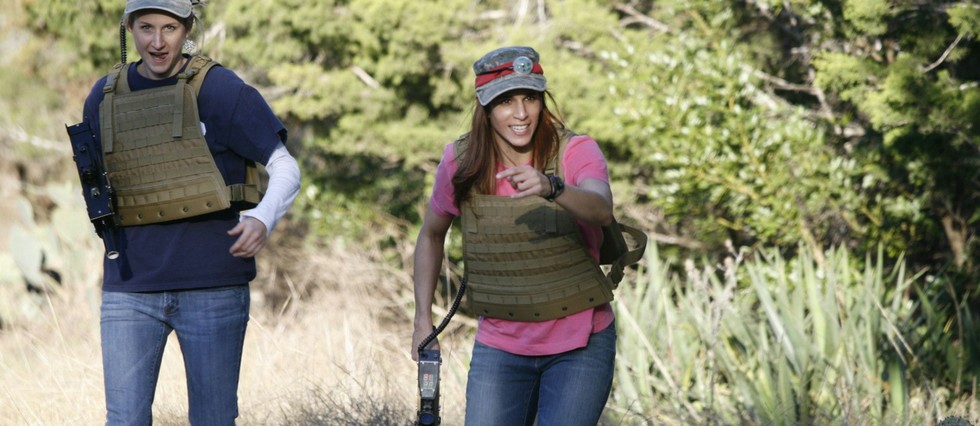
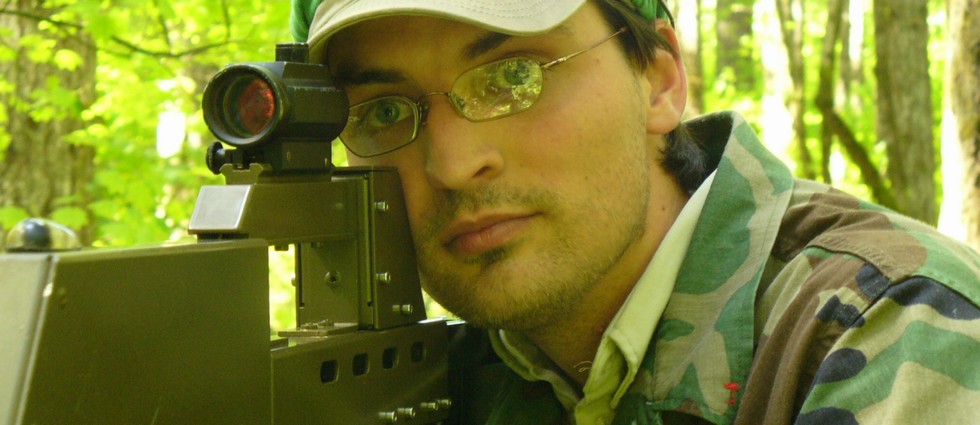
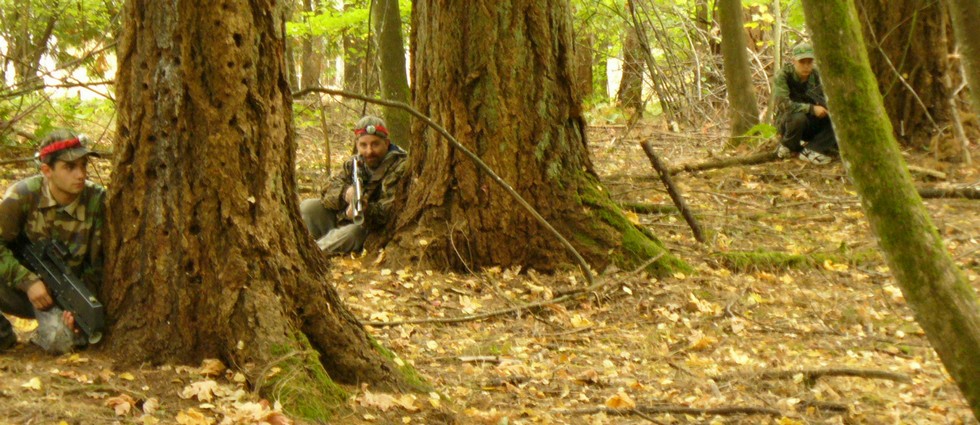
Part of a team shot, you can see how the newer woodland camo worn by Don (left) blends well with the trees but not much else. Cypher (from Spec Ops Liveplay) is in full MultiCam camouflage, though, which blends surprisingly well.
Camo is tricky to use properly. The first hurdle is obviously just matching the appropriate colors to the terrain that you’re playing in. The colors of foliage (and even the dirt!) change in an area over the course of a year as seasons change, so it can be tricky to even have the right kind on hand. One camo print that we’re particularly fond of is MultiCam, which is mostly tans and browns and even has a bit of bright white in it. While it doesn’t look like it should work at all, the patterns and colors have the best blend into most environments that we’ve ever seen. That said, MultiCam can be a bit pricey because the pattern is actually proprietary. This can add a few bucks to the cost of an outfit.
Another challenge with camouflage is that it’s easy to assume that it will do more for you than it’s actually intended to do. It is far too easy to start to think of the camo almost like magic that will hide you. The reality is that for camo to work you need to do two things: don’t move, and don’t assume that it will hide you without help. Human eyes are attracted to movement. Camo is designed to create shapes on your body that don’t look like a human shape. This creates lots of smaller shapes that are intended to make your eye think of your body as a collection of shapes and then dismiss instead of immediately identifying it as a human body. If you move you cause all sorts of smaller shapes to move at the same time, attracting the eye very quickly. Also, with camouflage like ghille suits in at the top, movement can actually dramatically increase the size of your perceived shape, making it easier to spot you even from a distance. If you must move, then move slowly.
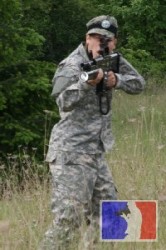
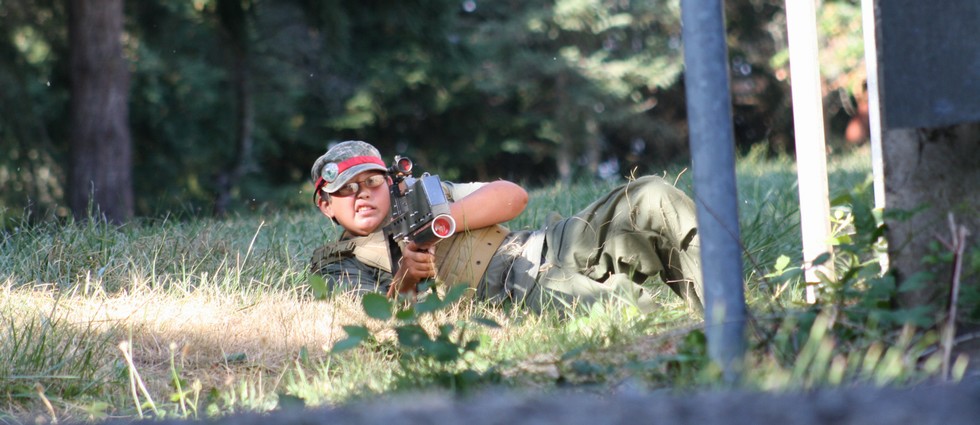
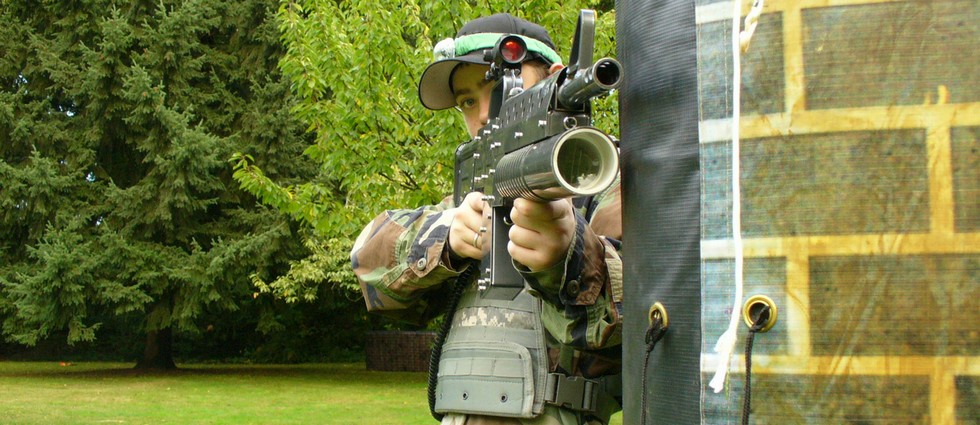
Note how the ACU pattern stands out against the trees behind. Your surroundings matter!
Like we said, you also must assume that the camouflage will not hide you on its own. It is not an invisibility cloak. Camo is designed to help your body blend into the surroundings, so make sure you’re sitting in surroundings that match, rather than standing out in the open. Camouflage is a tool that can help you hide, but the actual hiding is still done by you.
There are three main things that you can bring with you to the field for camouflage: prints (either on fabric or netting to wrap around your body), paint (for your face and exposed skin), and ghille (also for wrapping around you). Ghille is, in general, more effective than a print, but it doesn’t have to cover all of you and you do have to use it properly. What anyone will tell you, however, is that the most effective things you can use for camouflage will be found on the field itself, growing right out of the ground. That said, we do have to ask you not to simply pull branches and plants for your use in camouflaging yourself. The battlefield must be in roughly the same state as when we arrived for us to maintain positive relationships with the people and organizations that allow us to use their space.
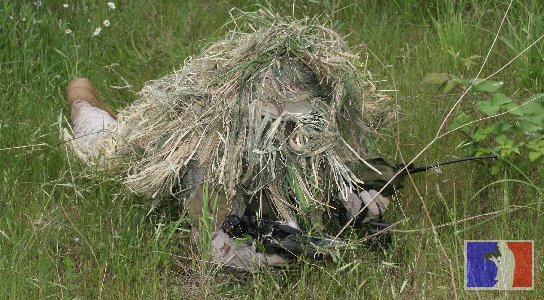
US Army Sniper in a ghille camouflage cape. Note the use of even just a few pieces of grass. Groups of people were challenged to find this guy located only 50′ away. Few did until he would start moving.
In many ways, camouflage is not a thing, but a practice. Only by combining multiple techniques and resources will you best conceal your body from your opponents’ eyes. That said, now you understand the basics that will better help you apply camouflage in your next battle.