


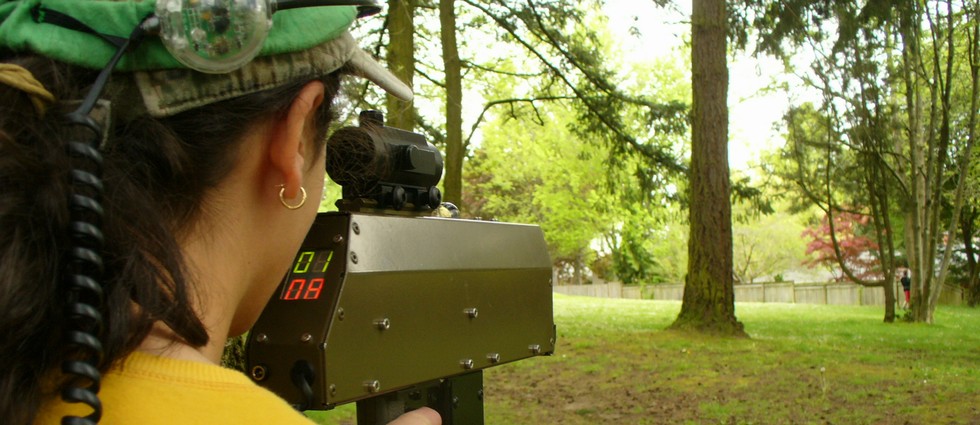


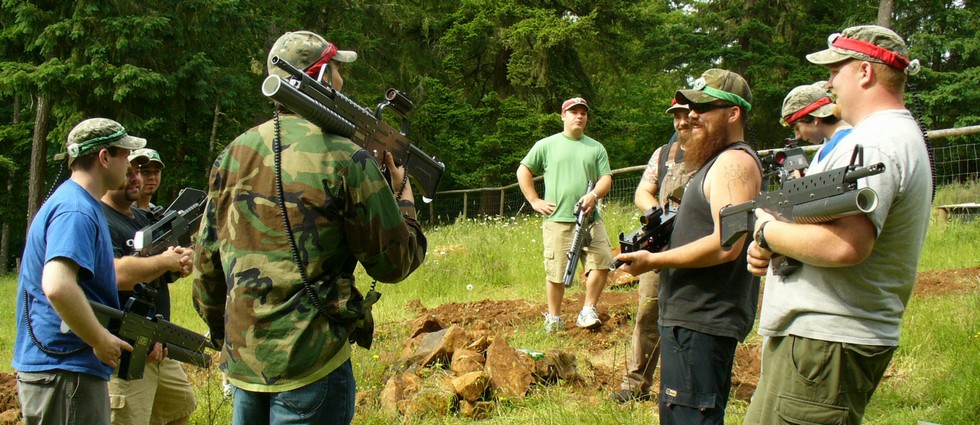
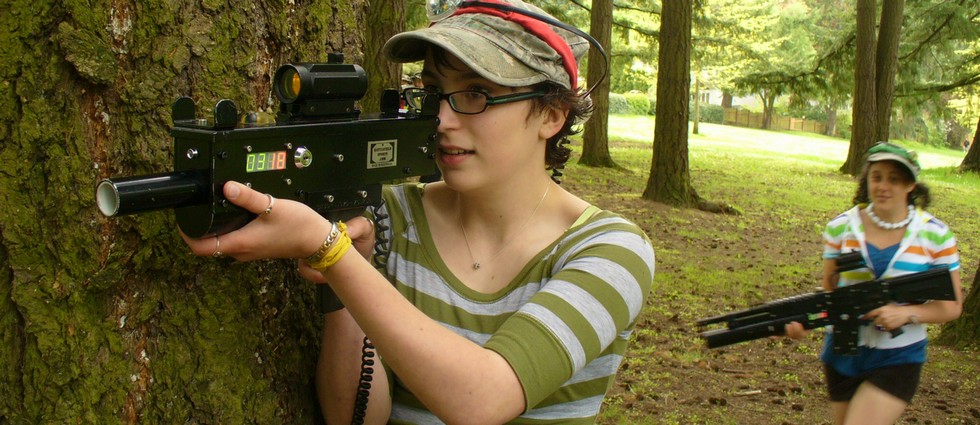
Sneaking and stalking your opponents across the field is a lot of fun, but what are the skills you really need to be good at laser tag stealth? How can you sneak without being heard and how do you hide without being seen? We figured that this week would be a great opportunity to share some basics of technique with you.
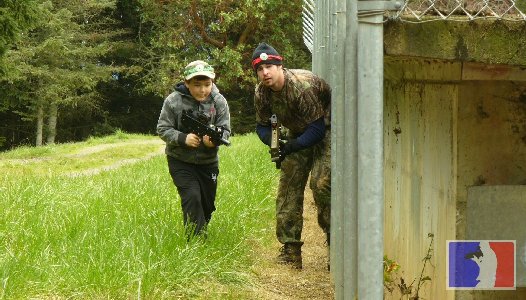
When it comes to stealth, if you’re most worried about your opponents’ ears, make sure you’re using your own.
Jump to another part of the series on stealth:
Sound – Silhouette – Concealment – Camouflage – Distraction
There are two main categories that we’re looking at when we talk about stealth: visibility and audibility. We’re actually going to talk just about sound today and leave sight until next week. And when we talk about sound, there are three different circumstances that we need to address:
- Times that you need to be quiet
- Times that folks usually try to be quiet when they need to be loud, and
- Times that you need to be loud
Yes, we just said in an article on stealth that there are times that you need to be loud. …and we’re not even talking about being loud because you’re supposed to be a distraction. (That’s not stealth, that’s an attempt at a battlefield trick, or subterfuge.) Since it’s the most surprising, let’s talk about when to be loud first.
You need to be loud any time that communication is more important than stealth. This means that you need to speak loud and clear when you’re in your base before a game. You also need to be loud for the first few seconds if there is confusion over who is going where. (Hopefully you resolved that before you started the round, but mistakes happen.) Basically, you need to be loud any time that a misunderstanding will negatively impact your team’s ability to perform, even if it inadvertently tells the enemy where you are. After all, better that they find you and your team is working together properly than they stumble on you and you’re incapable of properly defeating them. If a mistake has been made then proper use of being sufficiently loud will minimize the effect, not create a risk that didn’t exist anyhow. Think like this: having a good plan and making sure it is executed properly is more important than hiding from the team you’re trying to shoot anyhow.
Second, there are times when you need to be quiet. This implies that your team is working together properly, nothing is going wrong, and you aren’t engaging any opponents. Think of stealth as the thing most valuable weapon you have when your opponents aren’t in the process of shooting at you. There are several things to keep track of:
- Make sure your footsteps are quiet. Many a player has tried to be sneaky but made so much noise with their feet that they told the other team exactly where they were. Your own footsteps are a tricky thing for your brain to focus on because normally your brain dismisses and ignores the things that your own body is doing. This is a healthy way for your brain not to be overwhelmed with things that happen automatically. (“Shirt is soft! Pants are smooth! Shoes are snug! Coughing! Breathing! Walking! Scratching my nose! Aaaaaauuughh!”) Worse, when your footsteps are making a ton of noise your brain can’t properly process sounds that are too close and low, meaning that you might walk right past the opponent laying in the bush you’re walking by.
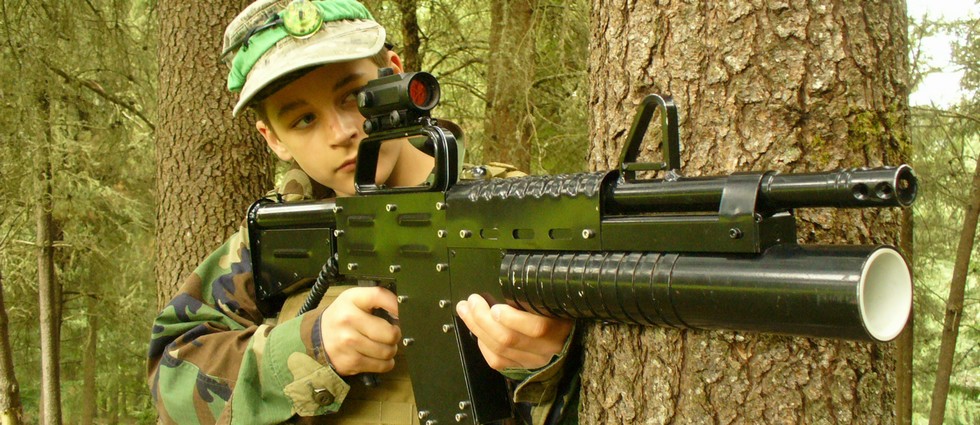
- Be mindful of the noise your clothes and gear are making. Holding loose clothing with one hand, or preventing your sensor cable from slapping against the gun by holding it with a pinky will reduce your overall noise profile and increase stealth. If your pants are making a scratchy sound as you walk then perhaps you’ll be quieter in a squat. Also be aware if some of your clothing makes more noise than other pieces of apparel when you touch brush or branches.
- Keep your mouth shut. Whispering is not stealth, silence is. If you’re talking then something better be wrong. It’s common for folks to mindlessly comment, “whoa,” or “ouch,” or “see that”, “where’s he going,” “I’m hungry,” or any number of other things. These sounds all impact your stealth. Worse, your brain automatically tunes in to words, so it’s easier for your opponents to hear them. Similarly, while you may need to breathe a bit more heavily after moving fast, all of that louder breathing is easy for a quiet opponent to hear.
Lastly, there’s one time when you shouldn’t worry about stealth but most people are still as quiet as possible: when the other team already knows where you are! It’s all too easy to forget, when you’ve been trying to be stealthy, that the moment the first shot comes your way that you need to loudly and clearly tell your team exactly where to shoot back! When your brain is locked into stealth mode and gets shocked into a firefight, it’s easy to forget that stealth isn’t what you need at that point. So speak up!
Overall, the more noise you make the harder it is for you to hear someone else and the easier it is for them to get the jump on you when they hear the noise you’re making. …but it’s tough to reduce your noise. Stealth is a skill that demands practice. When you can’t be on the field to practice your stealth you can absolutely practice walking more quietly down the street, in your house, etc. When you feel like you’re doing good, try to make things harder: put on a backpack, carry something that tends to shift and make noise (like kids’ toys and such), and play games with your friends where someone closes their eyes and while everyone else moves around they point at the sounds they hear.
Stealth is NOT a simple skill, and reducing your sound profile requires the most changes to the things you would normally do instinctively. But with a little practice you’ll be sneaking up on your opponents and hiding as they walk by with ease.