

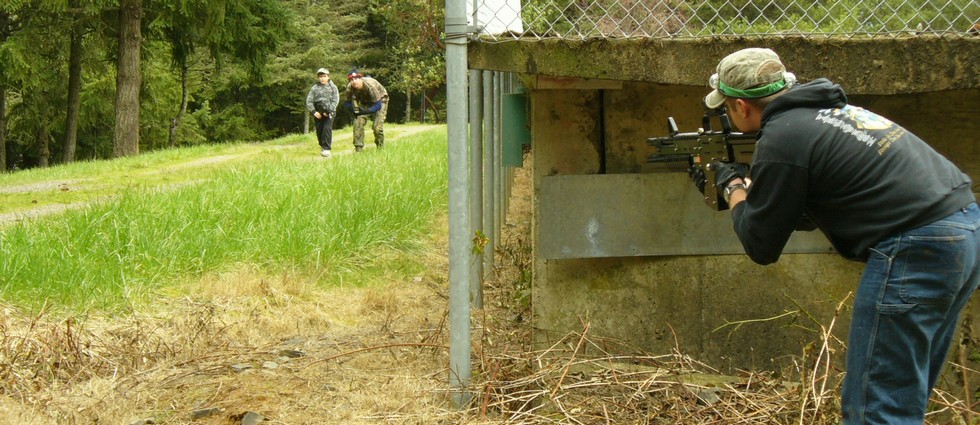
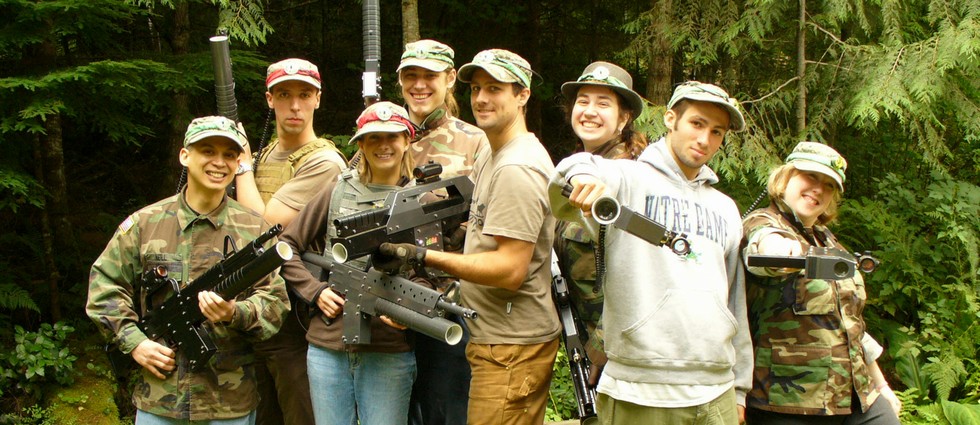
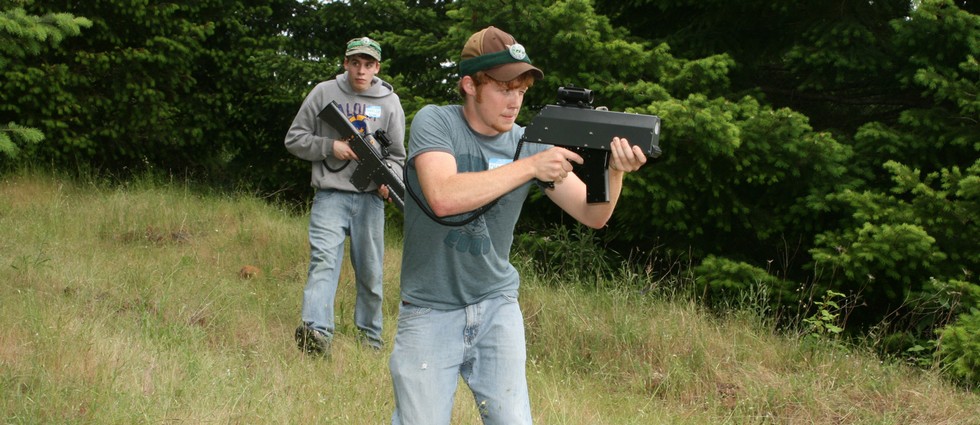



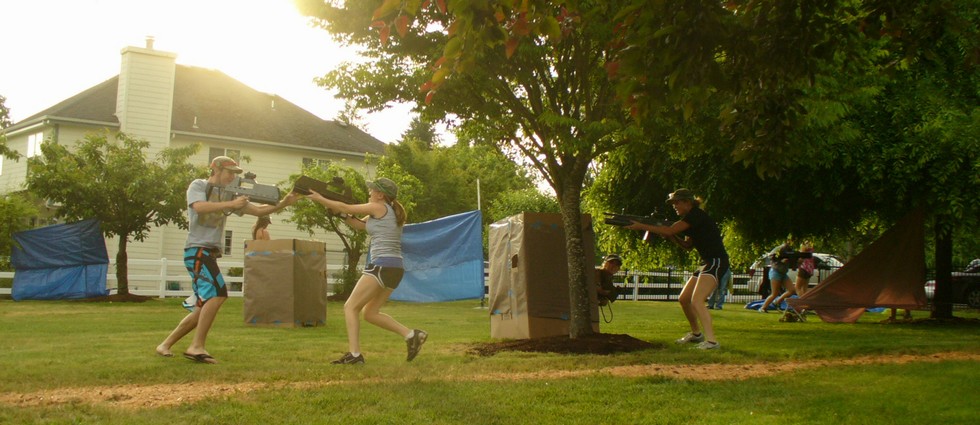
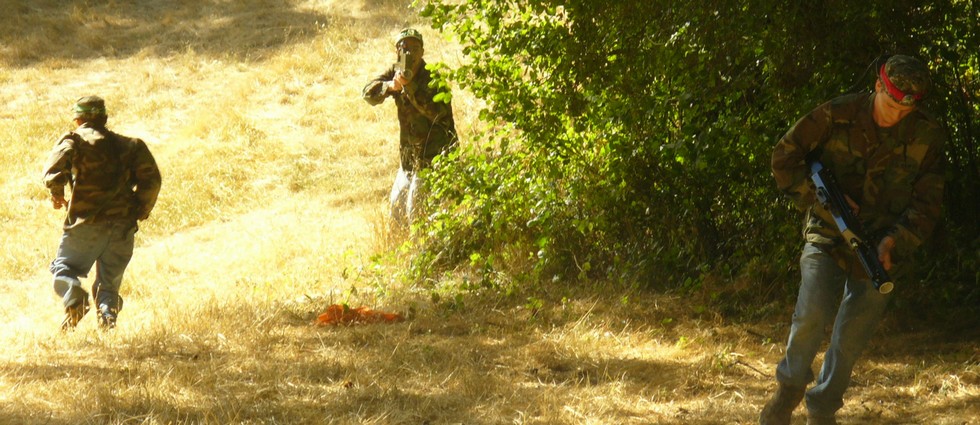
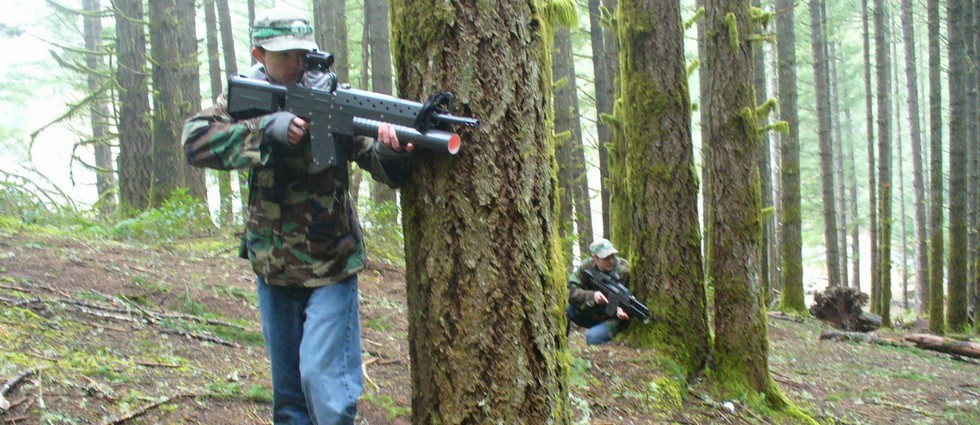


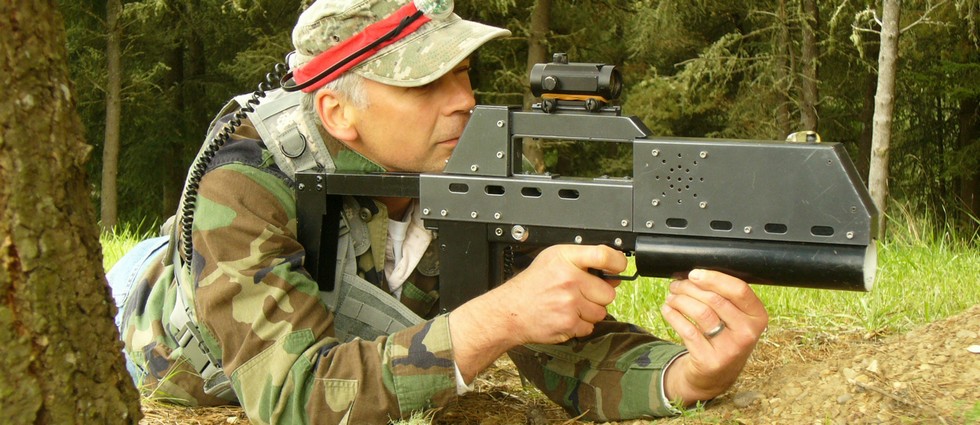
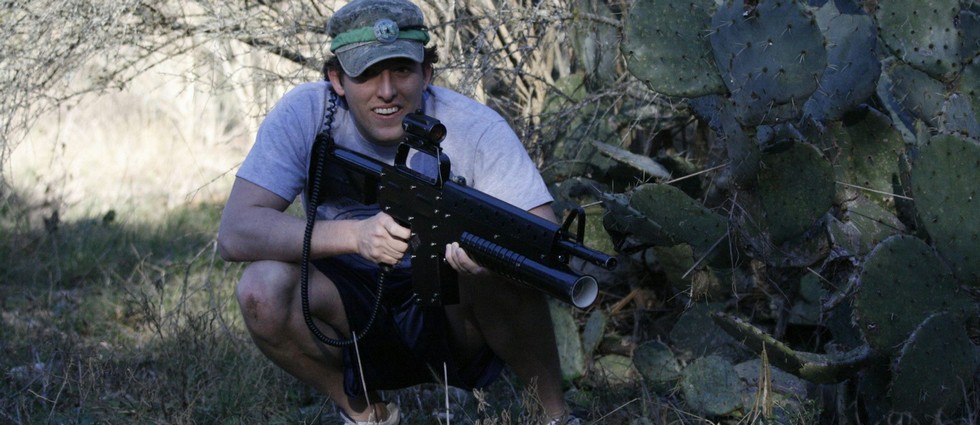
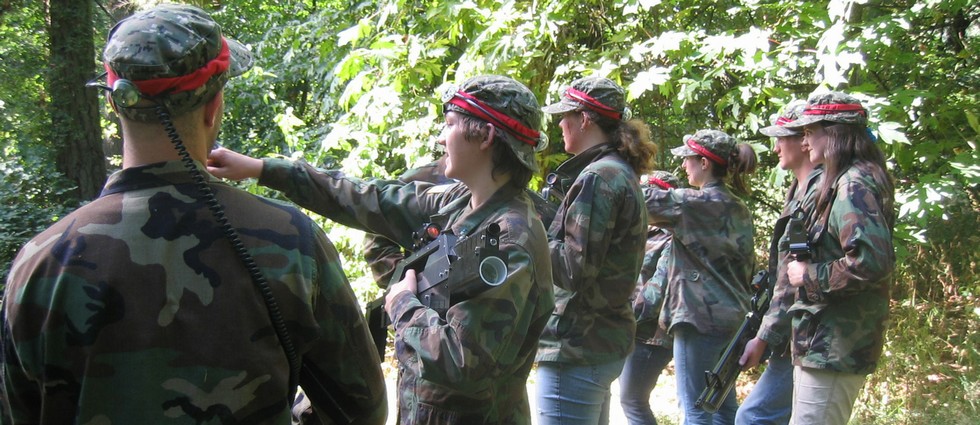

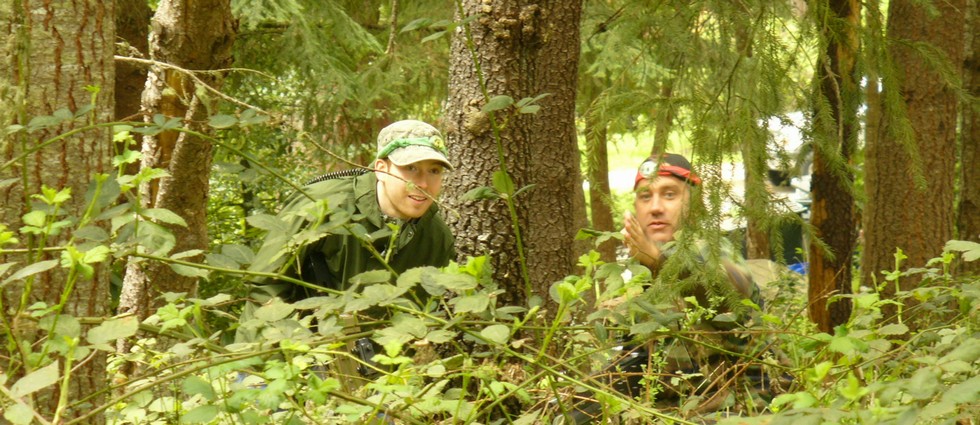


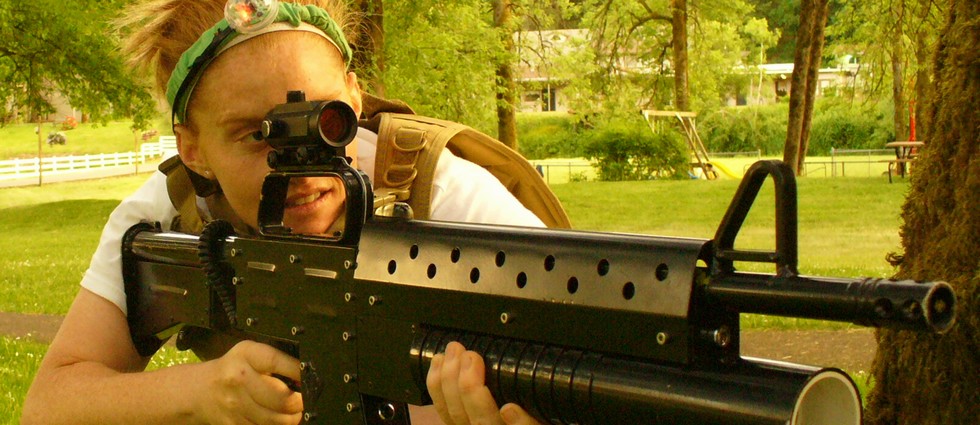
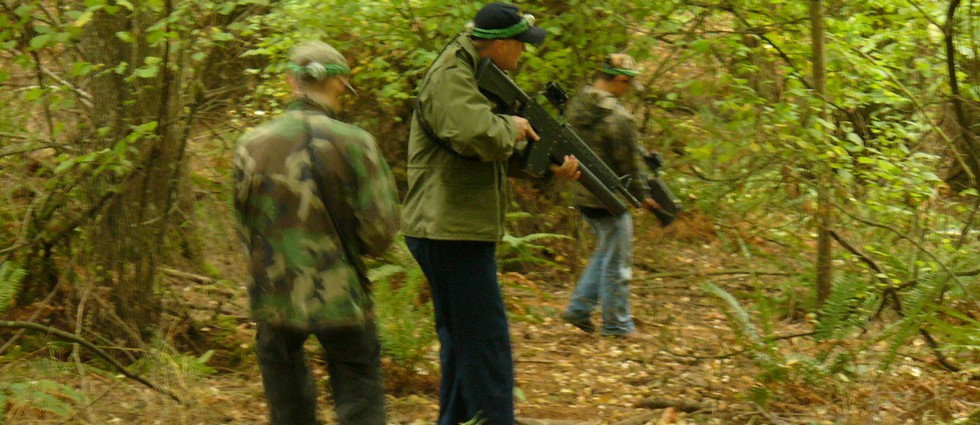

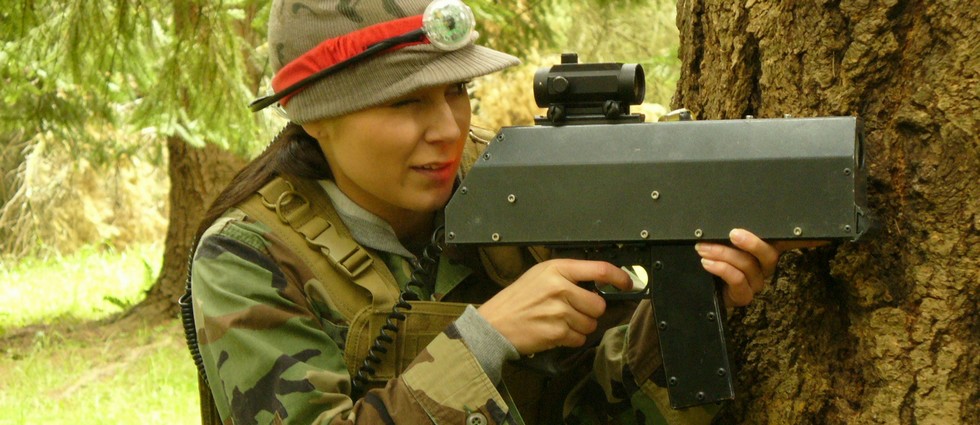
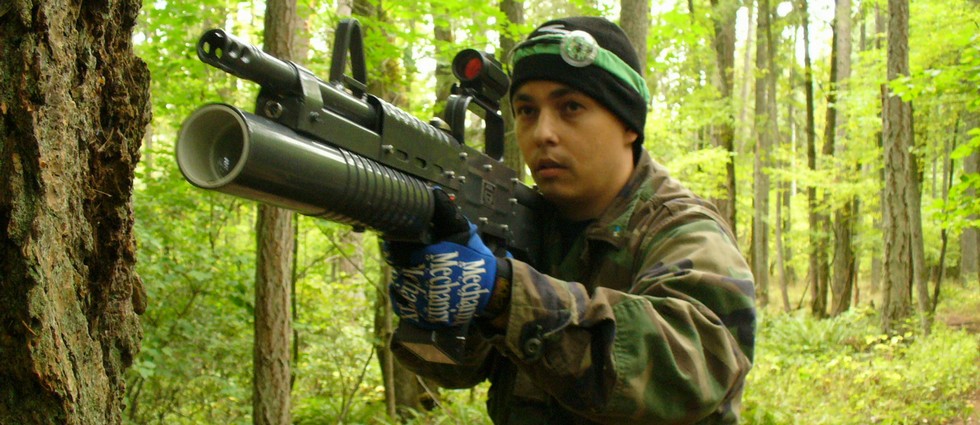
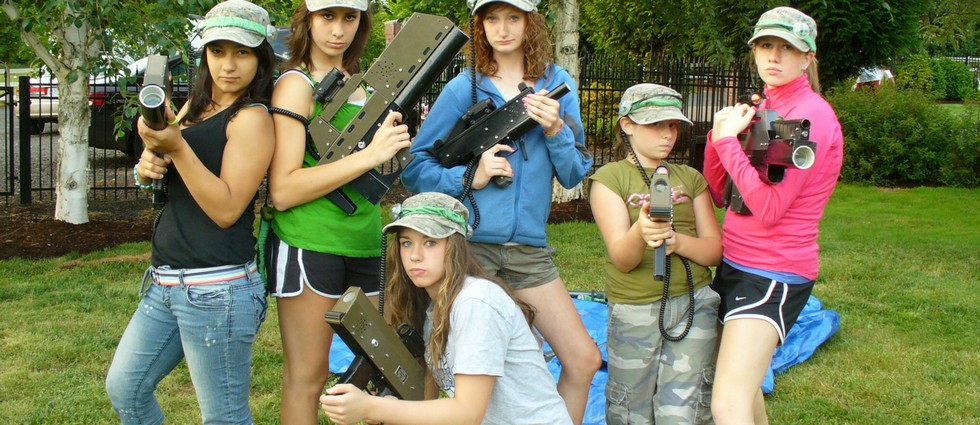
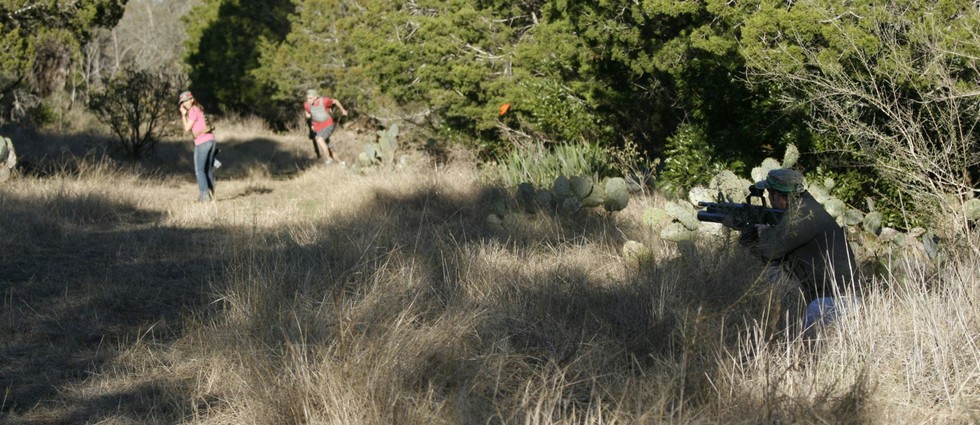
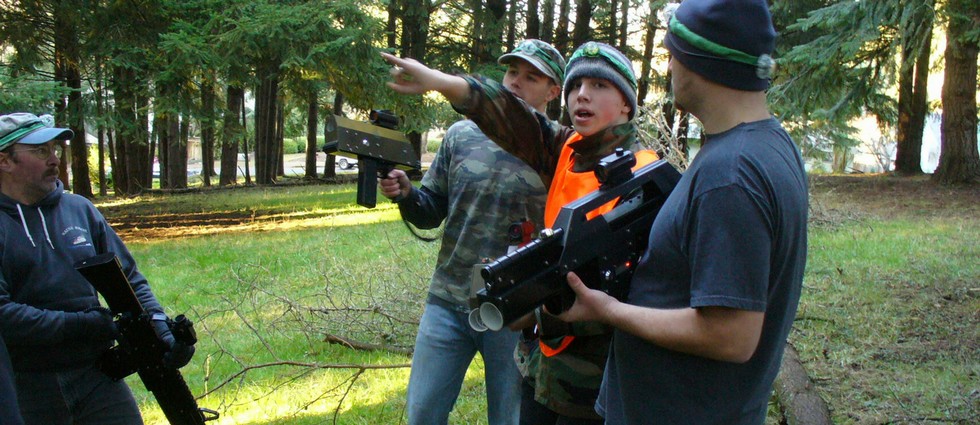
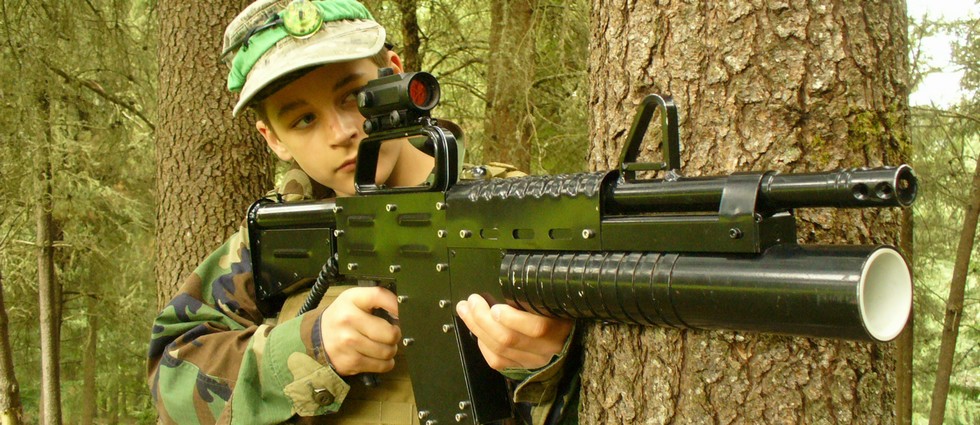
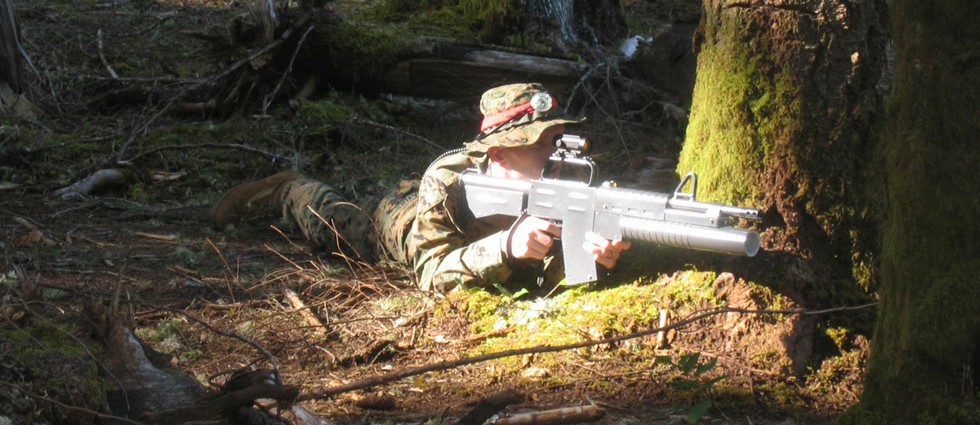
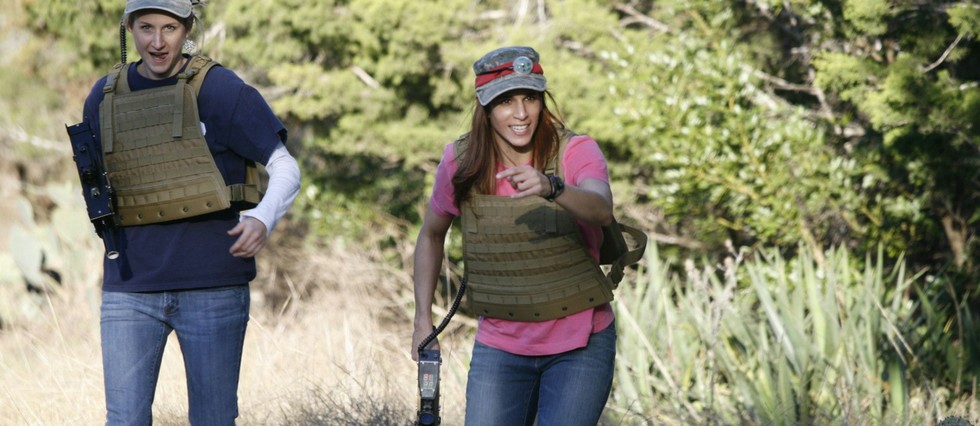

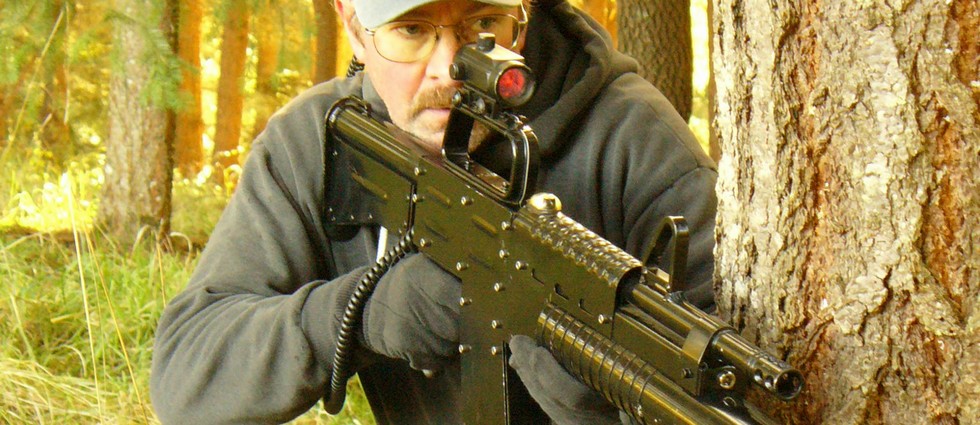
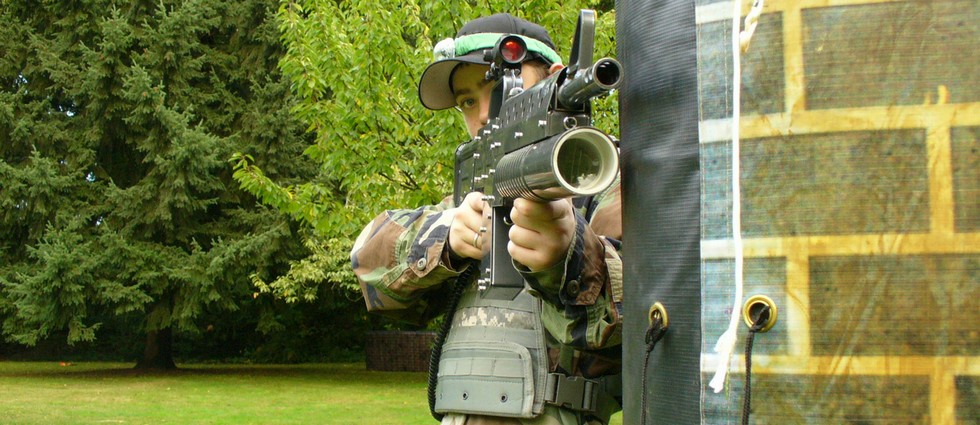


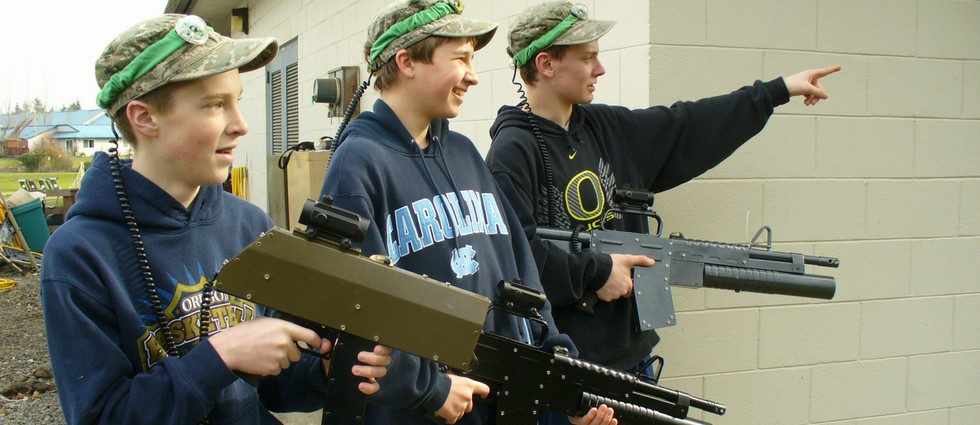

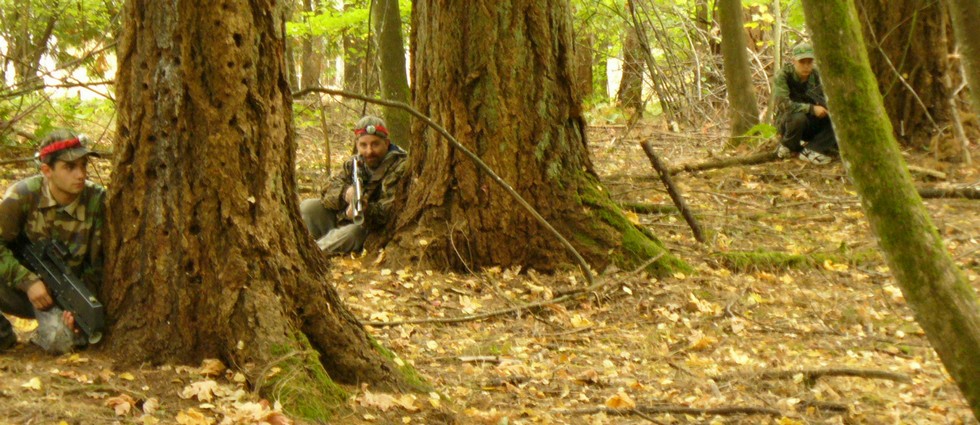

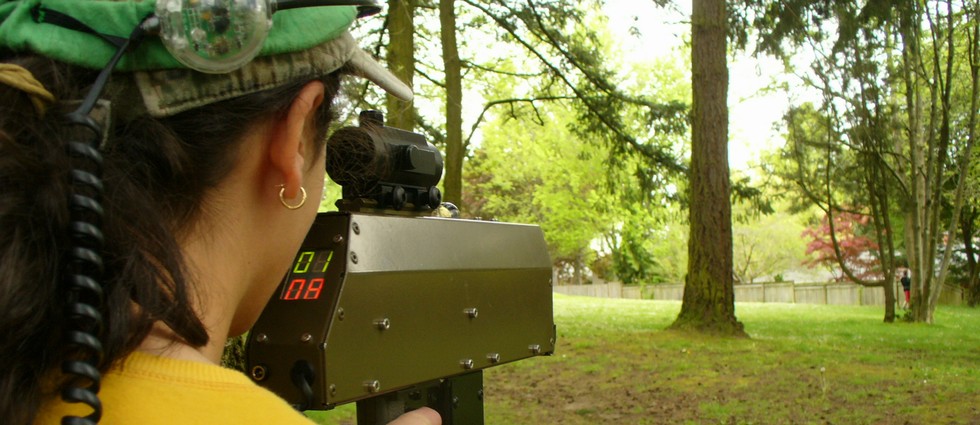


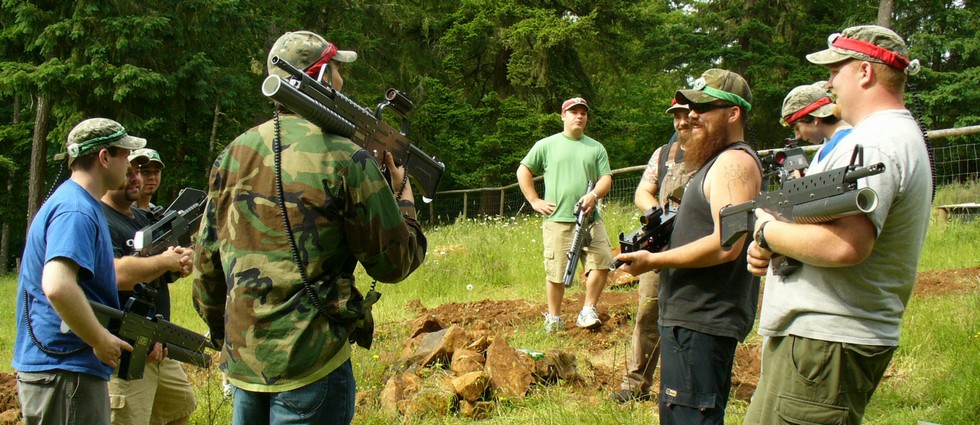
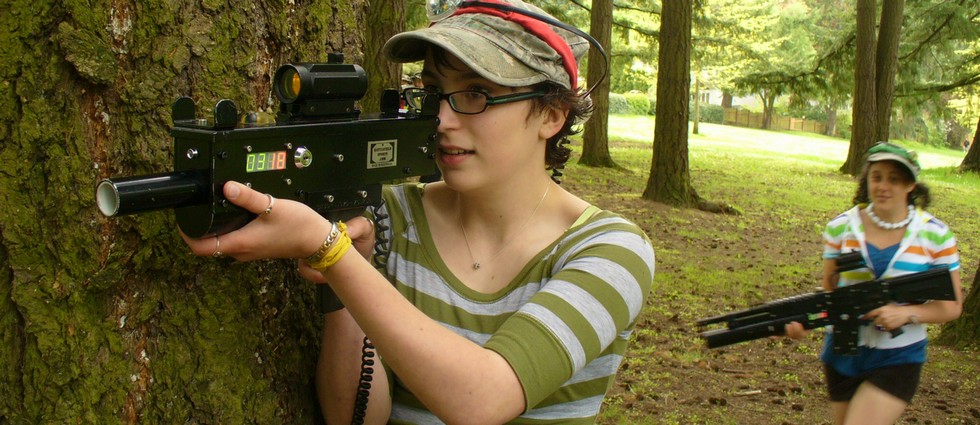
Sneaking and stalking your opponents across the field is a lot of fun, but what are the skills you really need to be good at laser tag stealth? How can you sneak without being heard and how do you hide without being seen? We figured that this week would be a great opportunity to share some basics of technique with you. Continue reading
Monthly Archives: January 2015
Half-minute History: The Battle for New York
From Mike: As we get back into the swing of things, we’re starting off today (with a rare Tuesday post!) with a new segment that we’ll rotate in occasionally: Half-Minute History. In each installment of Half-Minute History the goal is to give you a bit of history that you can learn in 30 seconds or less, and then try to relate a laser tag strategy lesson to the snippet of history. Enjoy!
In the entire American Revolution there was only one full-scale battle fought, and not only was it the first battle overall, but it was also the biggest loss for our side. George Washington lost miserably but thankfully the lessons he learned allowed him to be far more successful than in the Battle for New York City. Continue reading
Run A Better Game: Domination
(This article is focused on issues that are of most interest to other laser tag operators, but anyone is welcome to read it.)
Domination is absolutely one of the best games in our sport. It allows both advanced and new players to excel almost equally, requires some low-level team coordination and reaction to opposing strategies, and provides unlimited respawns without penalty. Here are some observations and suggestions on how to run domination more smoothly. Continue reading
Better Starts for Stronger Play
(Note: in many ways this week’s post is a continuation of last week’s discussion on using rovers in your laser tag strategy. If you haven’t read that, you’ll probably want to since they’re not explained here.) When the whistle blows at the start of a game your whole team is going to blast out of their base with the force of a herd of elephants. Winning teams, though, know WHERE they’re going from the base. Planning, though, is complicated by the fact that there’s very little time before the whistle blows and as the game goes on conditions change. So how do you create a plan at the start of the game that will help your team stay coordinated all the way through to the end? Continue reading
