

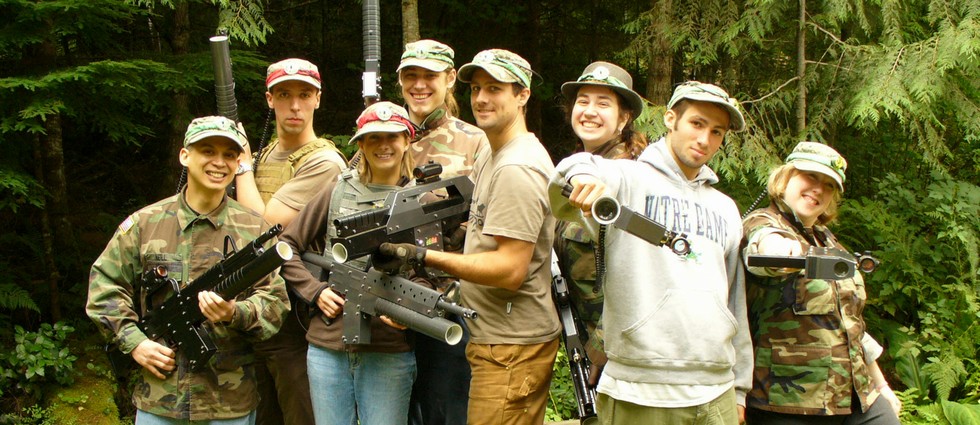
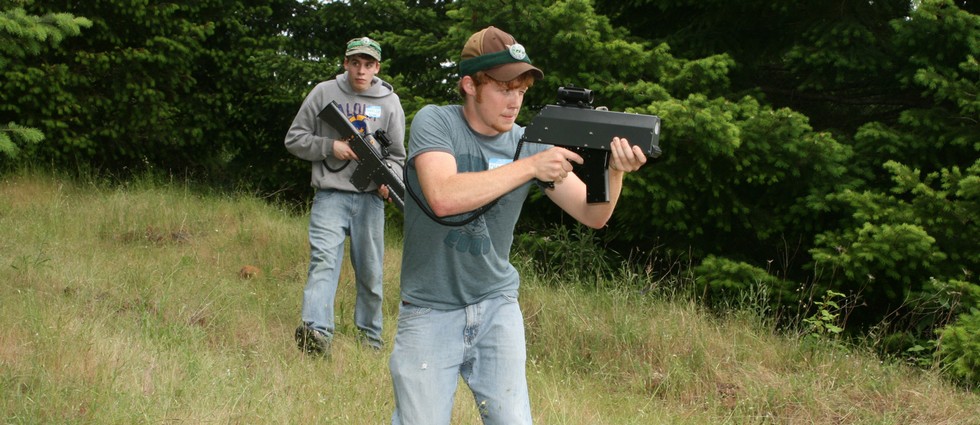
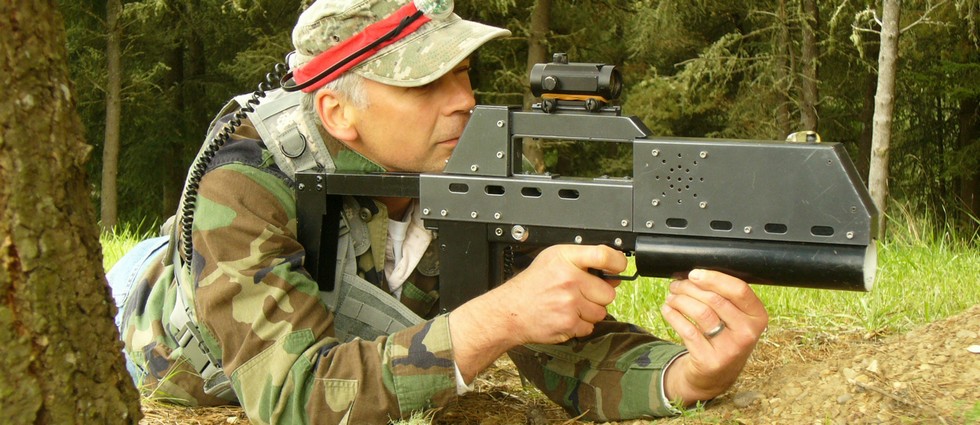
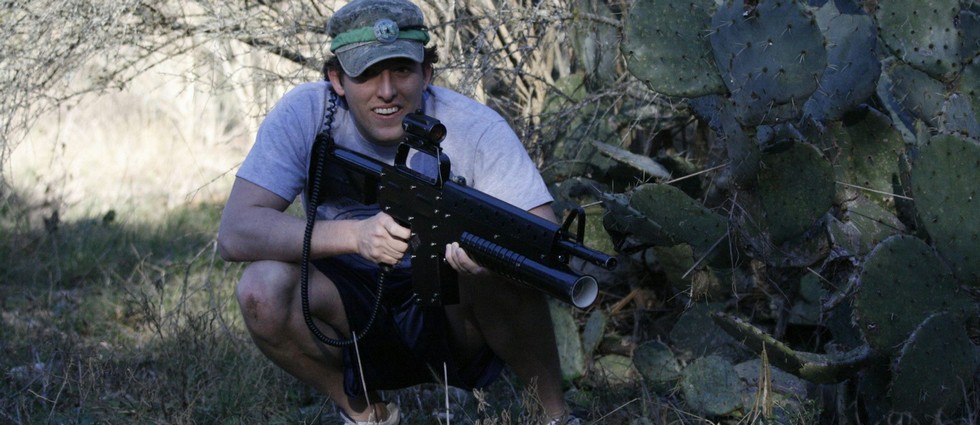
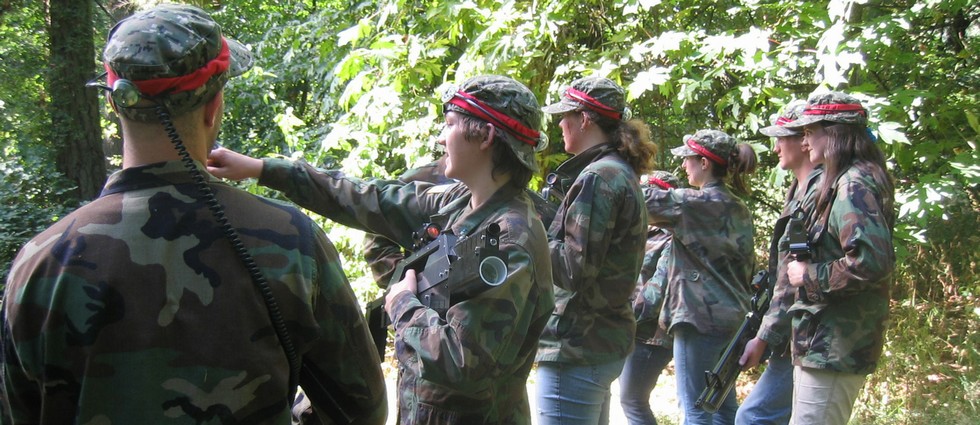
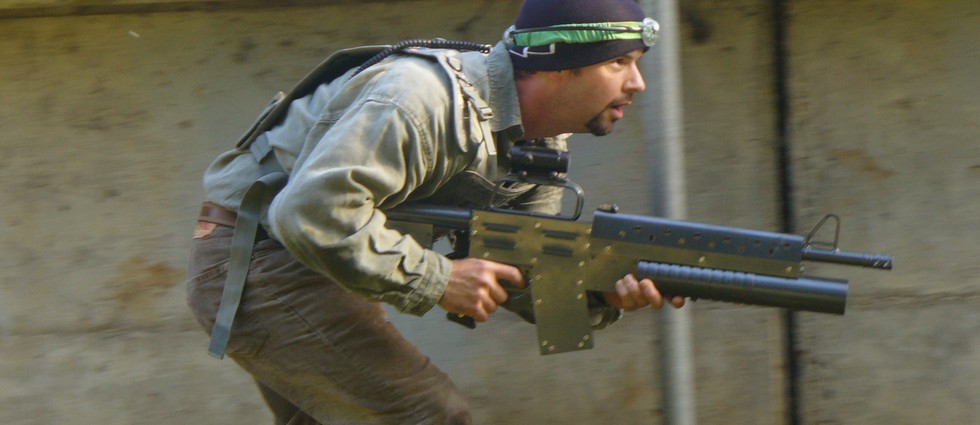
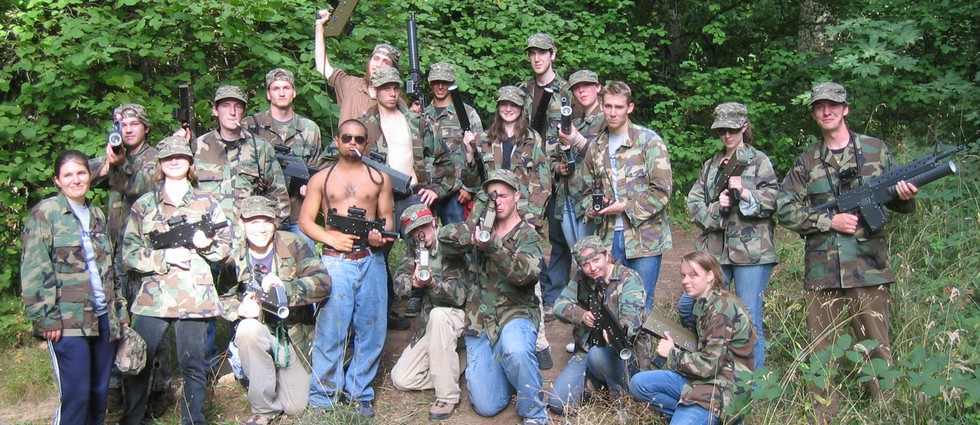
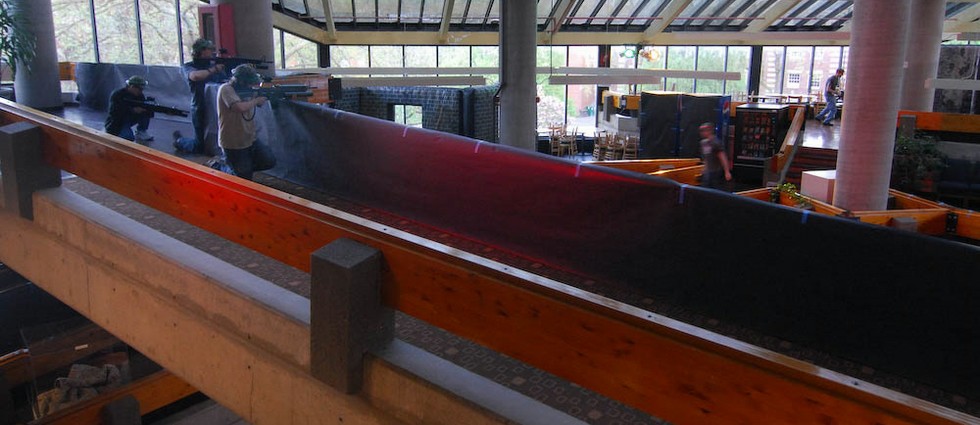
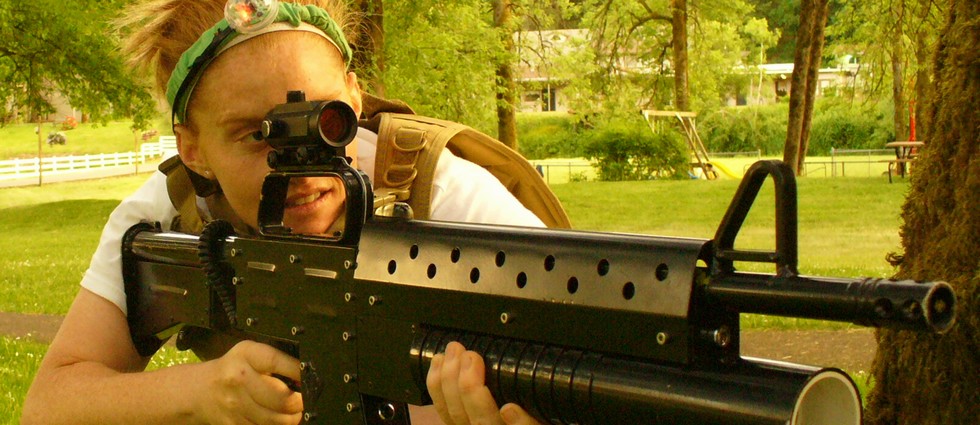
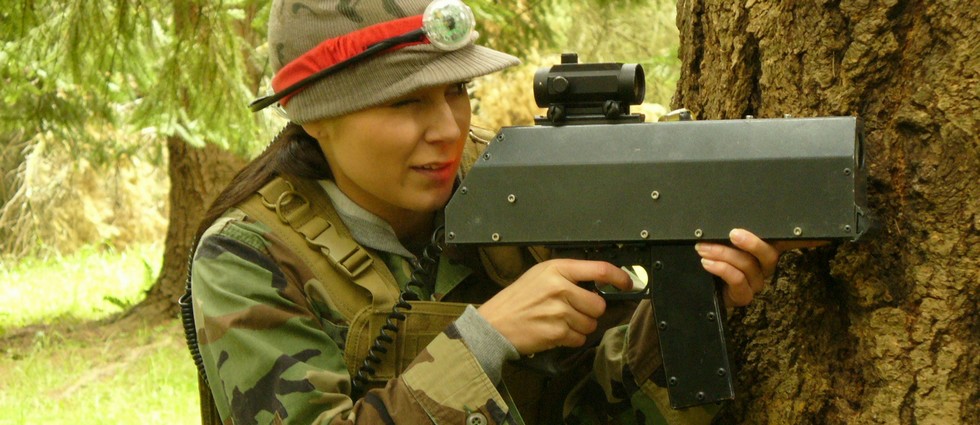
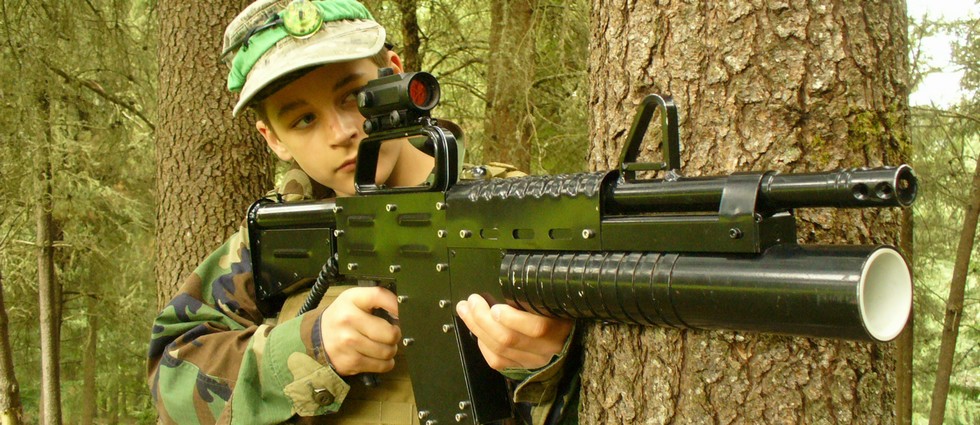
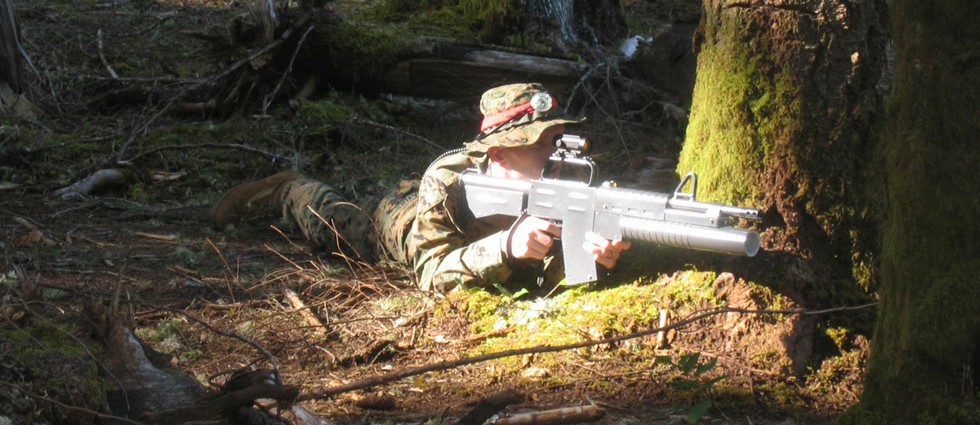
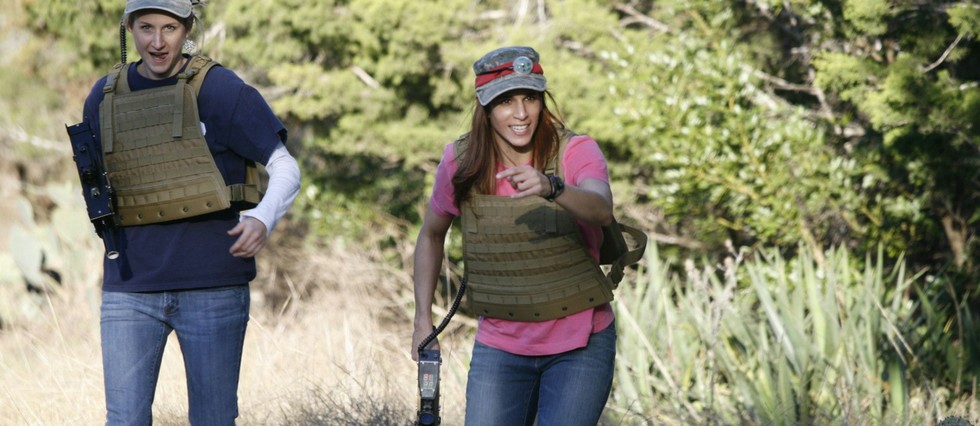
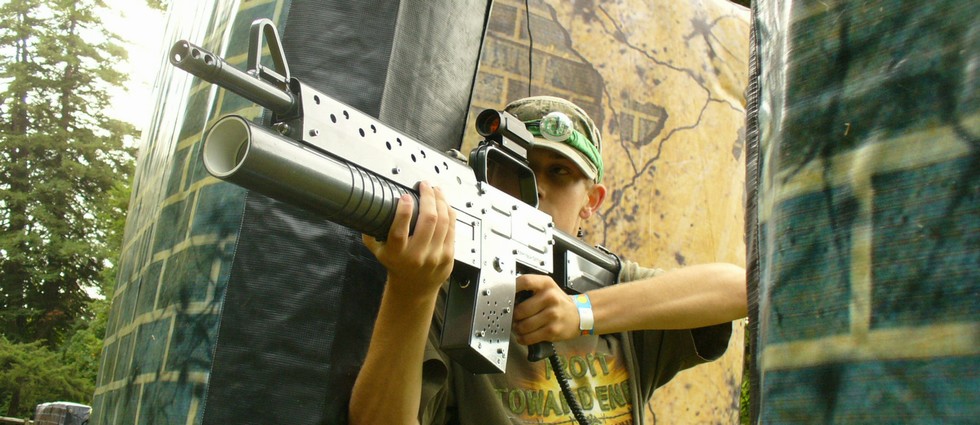
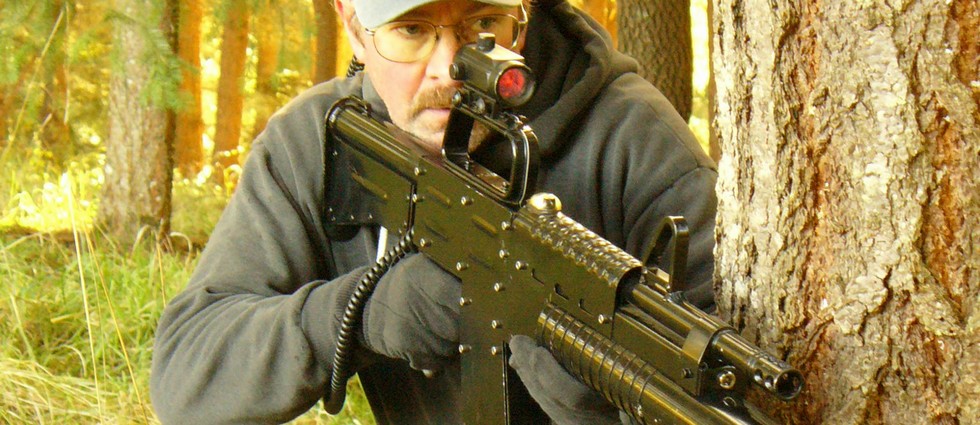
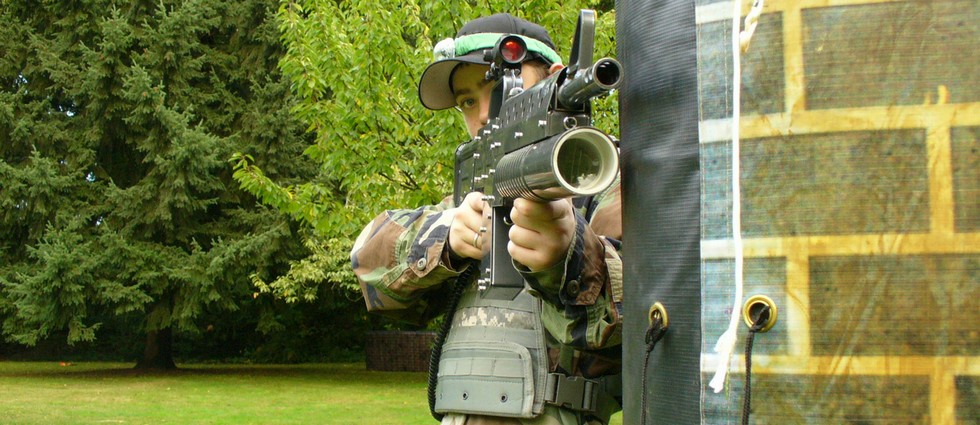
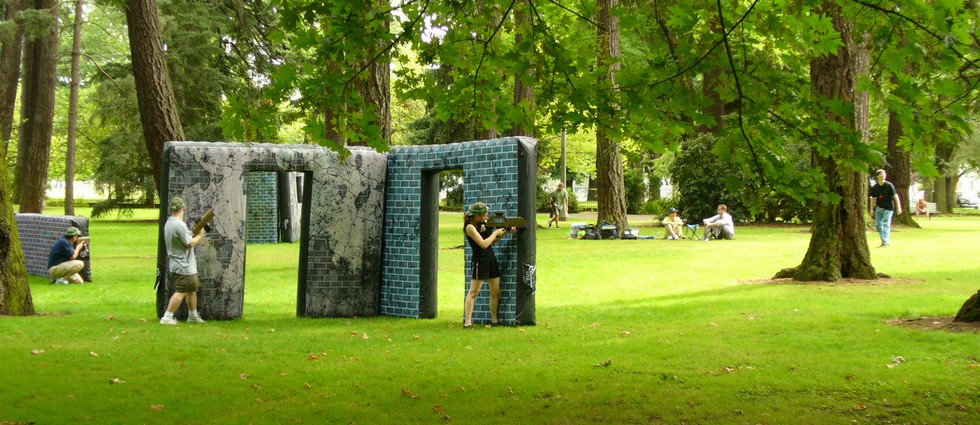
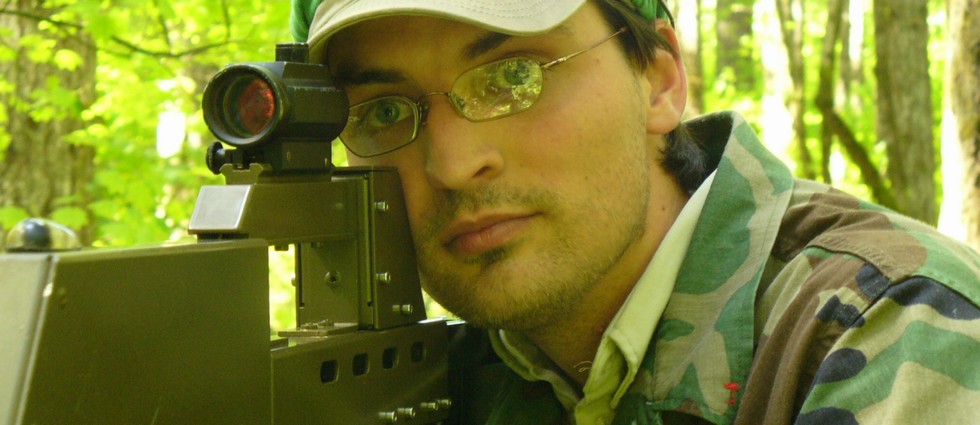
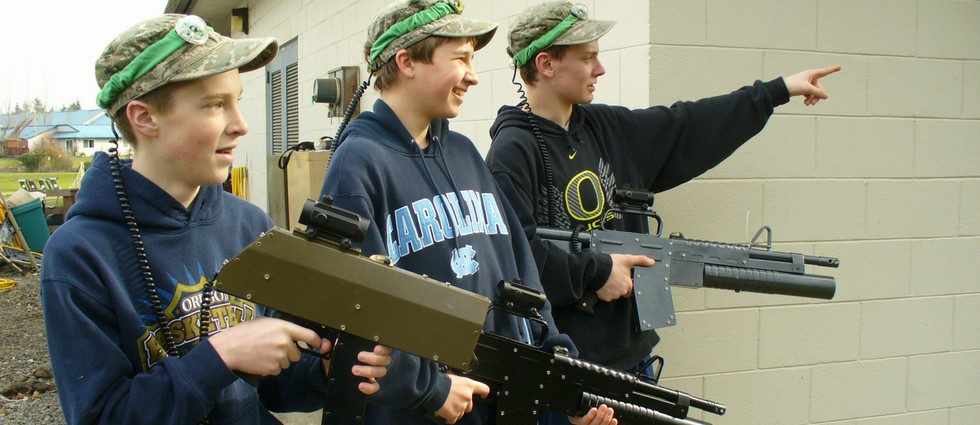
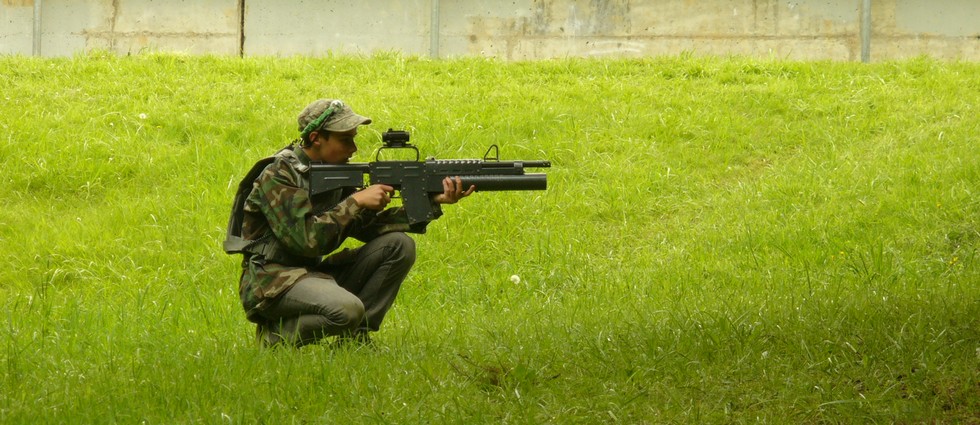
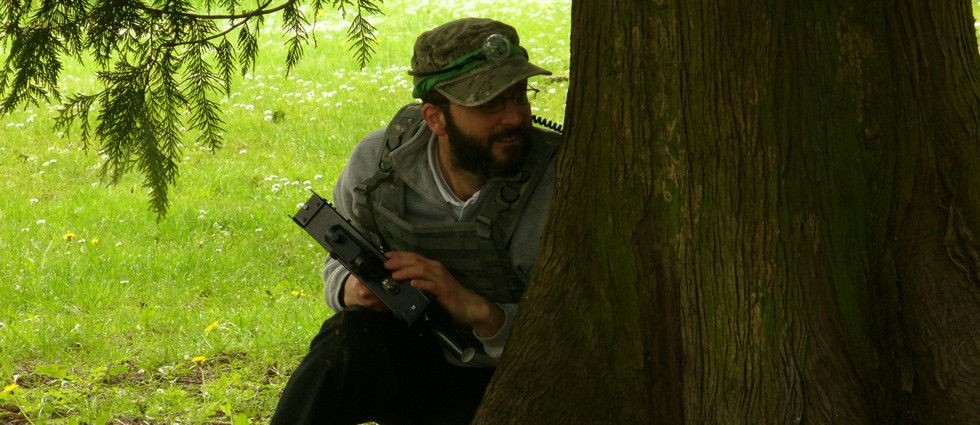
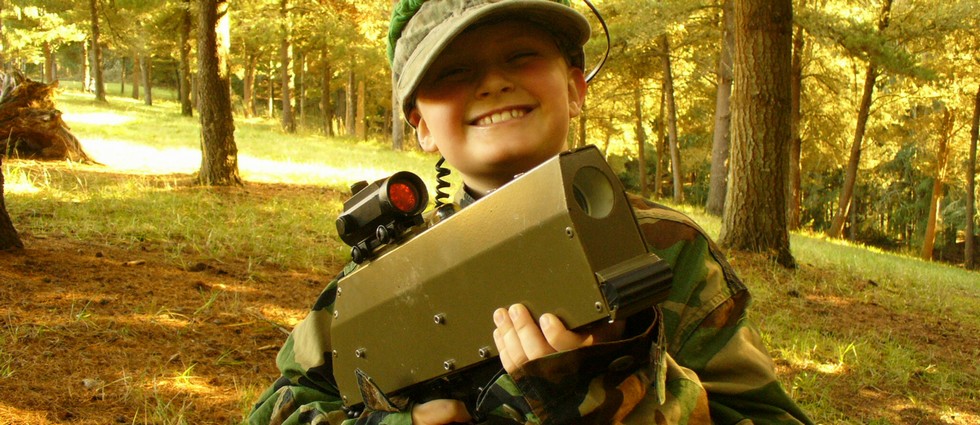
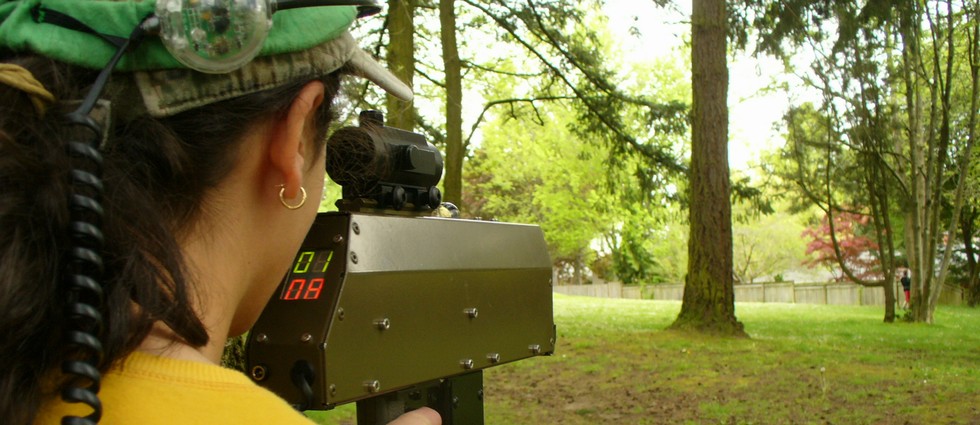


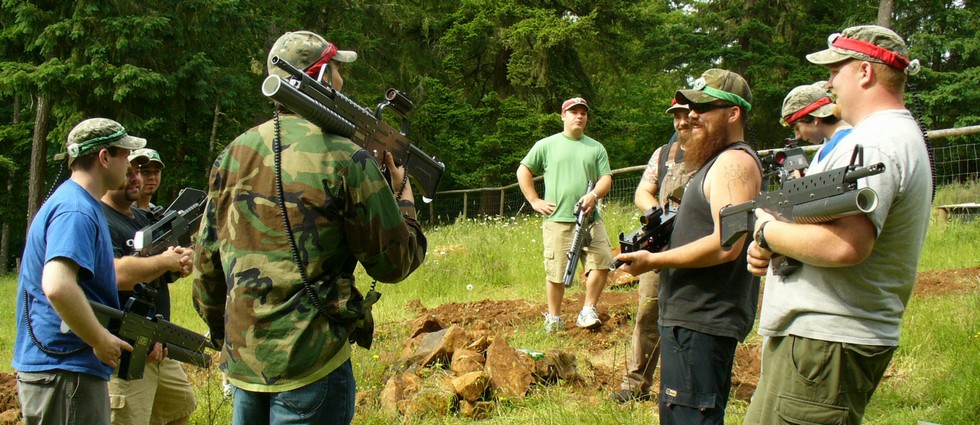
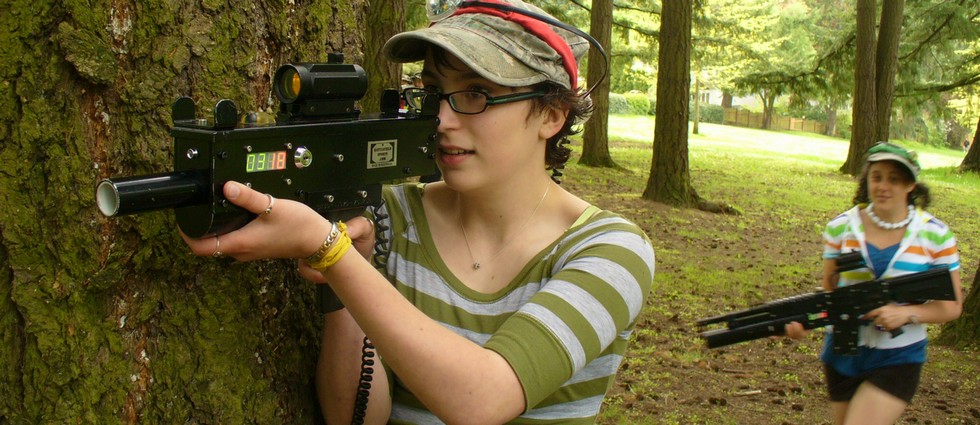
Not everything works both ways and today we’d like to give you a great example. Laser tag is a great choice if you want to improve your play in other areas, but what helps you improve your tactical laser tag skills?
Here’s a fun fact: want to play Halo or Call of Duty better? Play more tactical laser tag. Because you can finally put your head on a swivel you’ll be able to take in much more information about how people move and you’ll be able to take that back into the game to better predict and adapt to your opponents.
Want to play airsoft and paintball better? Play more tactical laser tag. The extreme range of the laser tag guns will force you to expand your awareness to a much larger radius and the fact that the guns literally fire at the speed of light will teach you that it is MUCH better not to be seen by your opponent than to simply grab cover or dodge rounds. This will all translate to you having a much better capacity to read and influence the field.
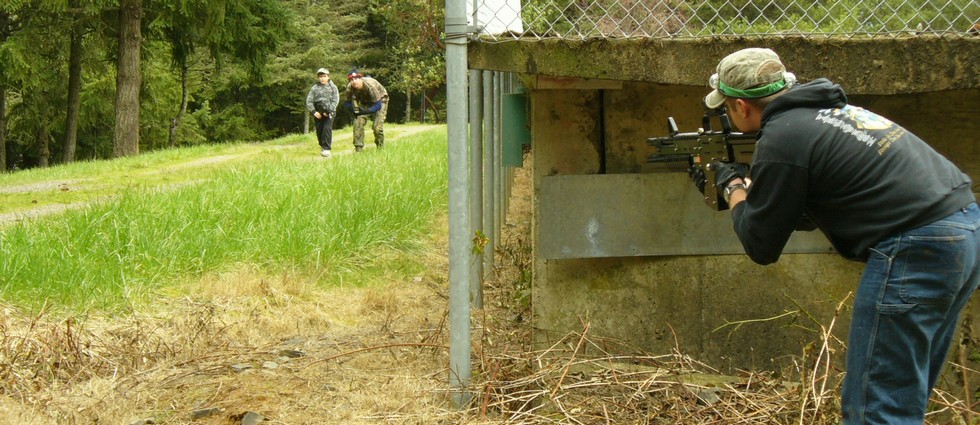
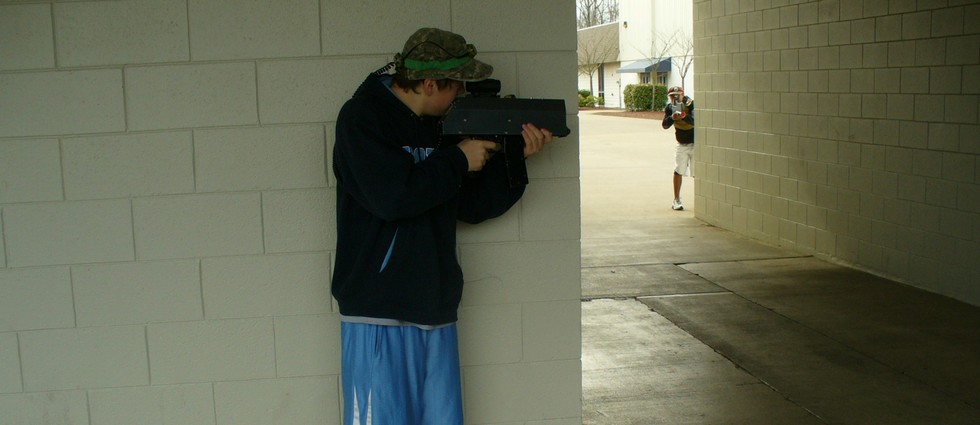
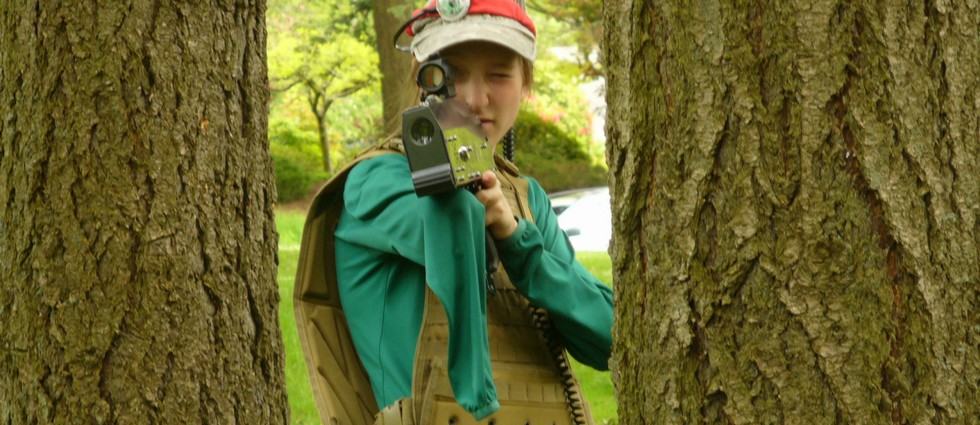
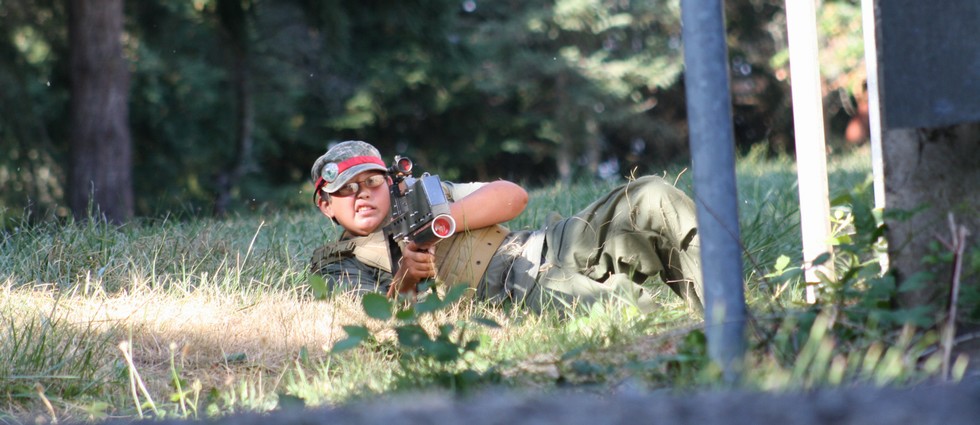
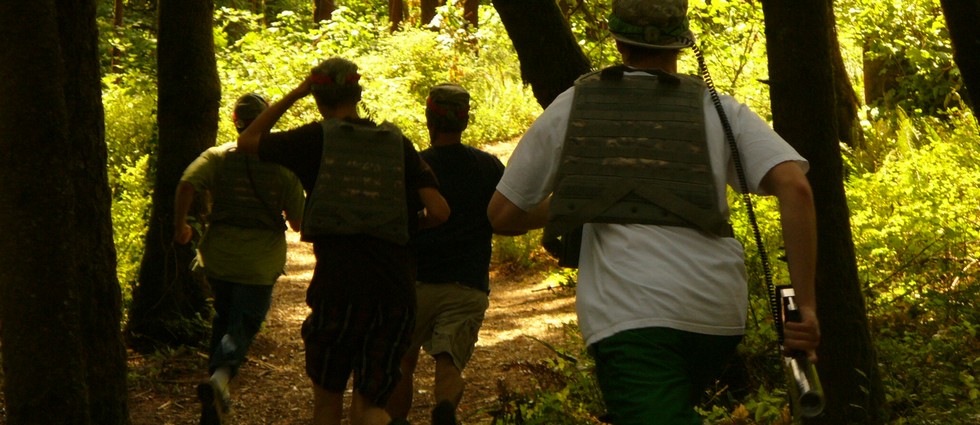
Want to play laser tag better? Play more laser tag. Unfortunately, the enhanced physics of video games (how fast you can run, how high you can jump, etc.) tends to give you incorrect assumptions as to what you can do and how when it comes to real life. Airsoft and paintball have really short range, so players are often surprised by the range that they’ll get shot from. Also, the range and accuracy of tactical-style laser tag guns builds more complicated tactical scenarios. For instance, it becomes immediately apparent how easy it is to be pinned in your position when not only can you not stand up but you can’t move because someone can shoot you when you’re as far as 200′ behind your cover on the run!
In our experience there’s only three types of folks who tend to naturally do better because of their activity-of-choice when it comes to tactical laser tag: woodsball players, milsim players, and soldiers who have returned from intensive, combat-heavy tours.
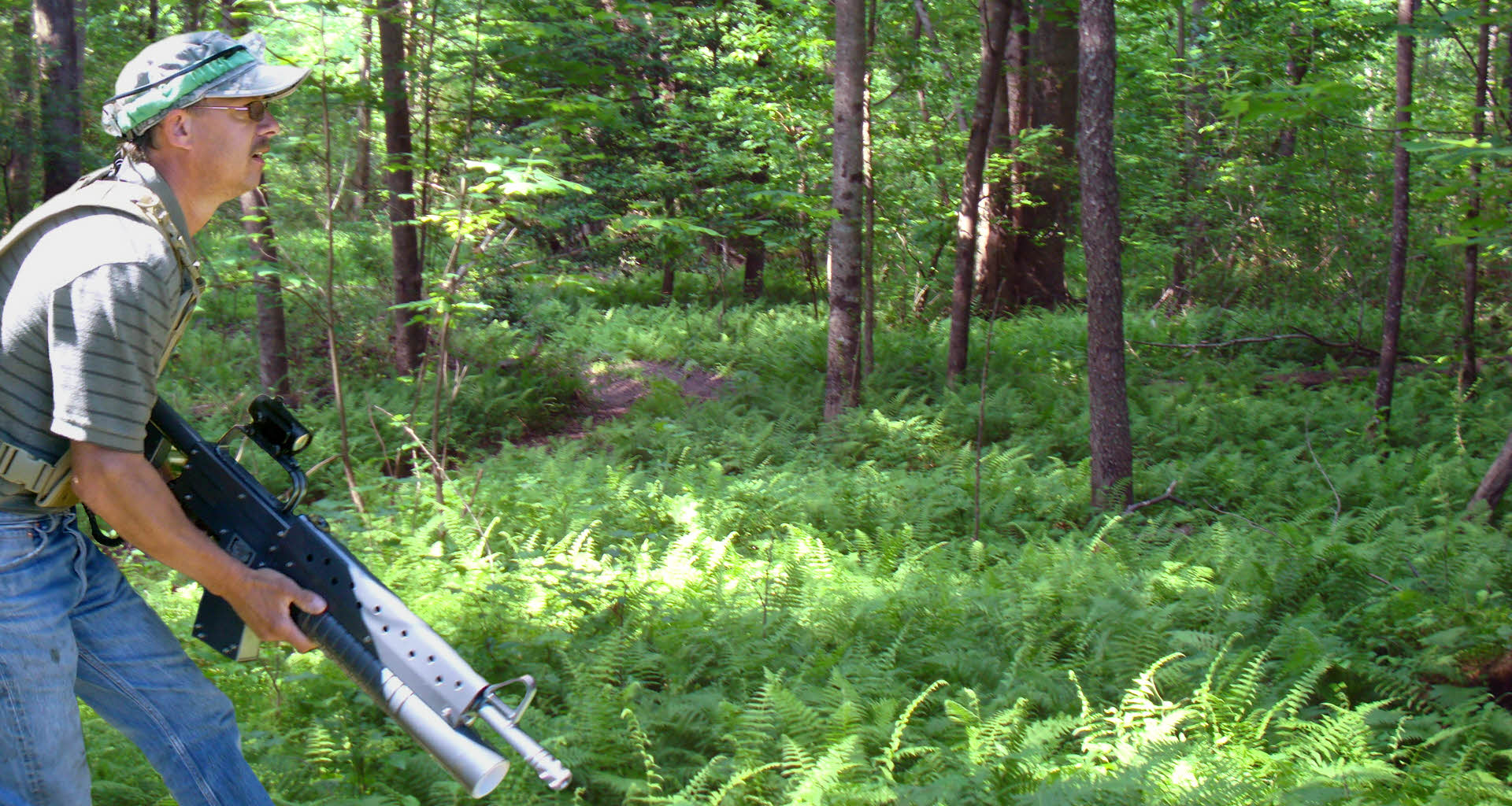
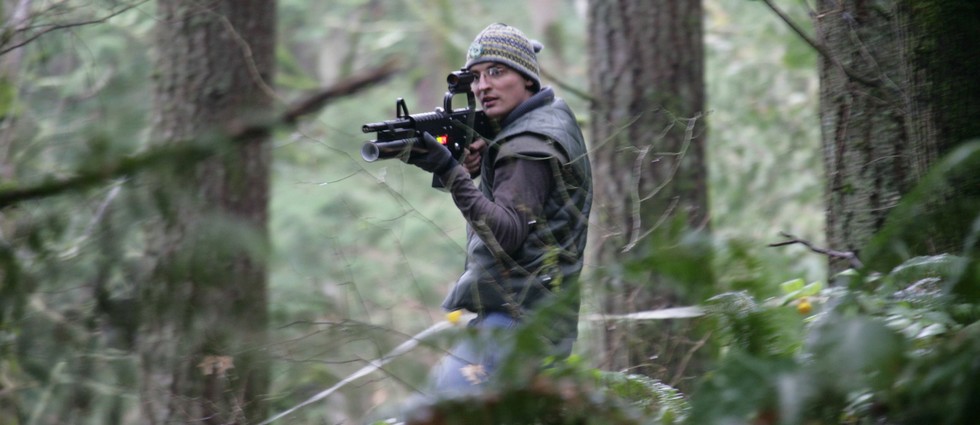
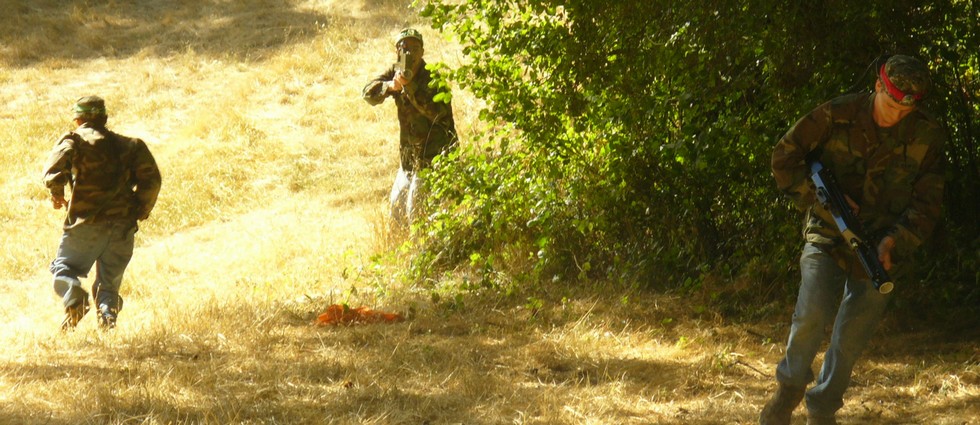
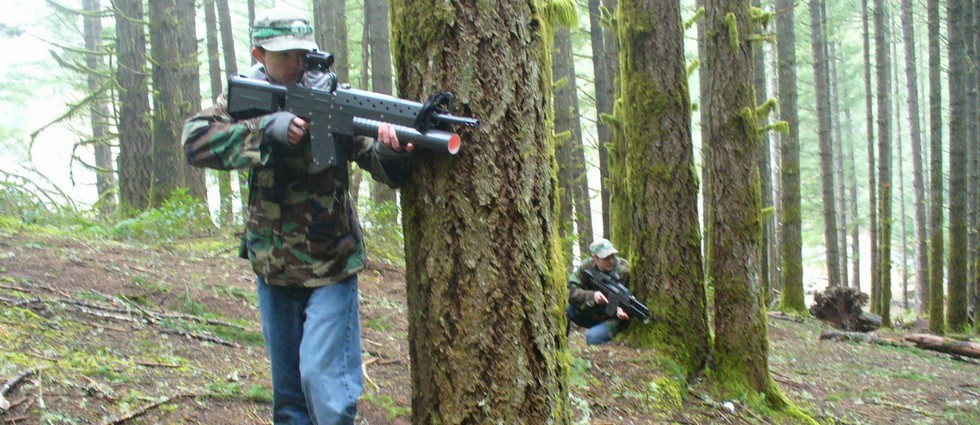
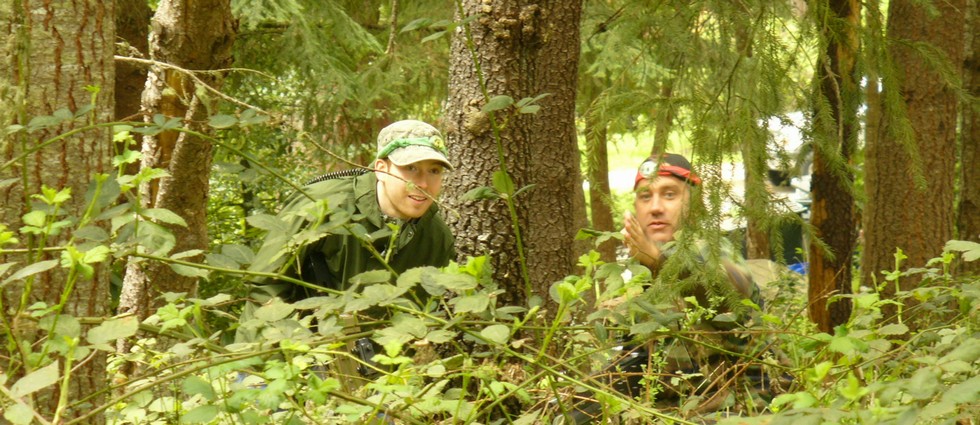
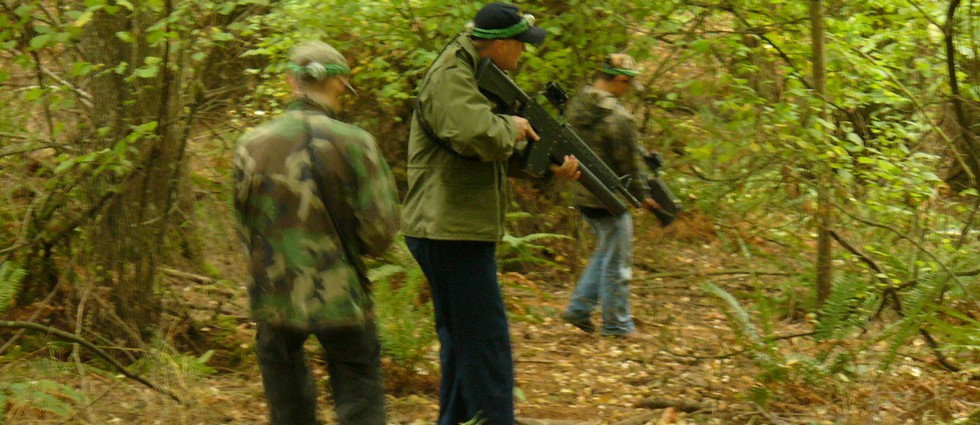
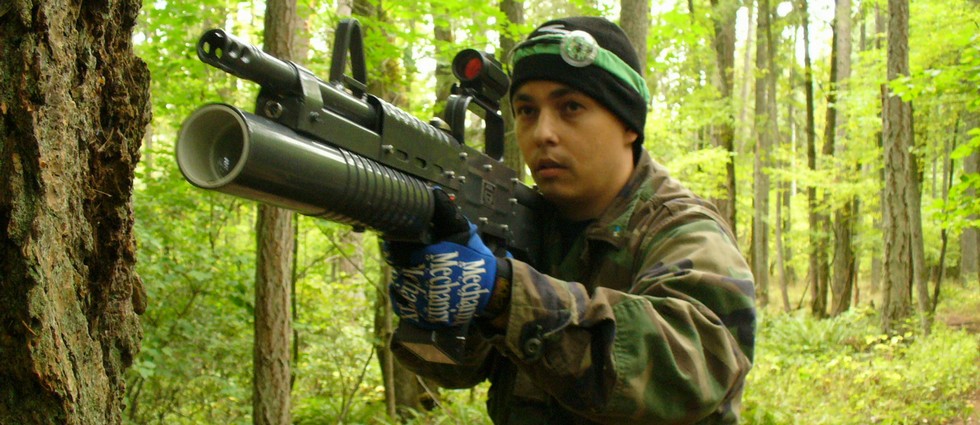
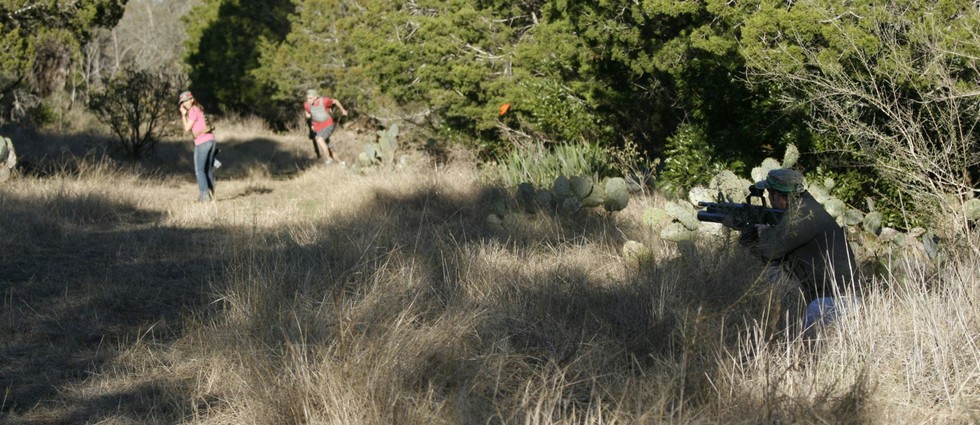
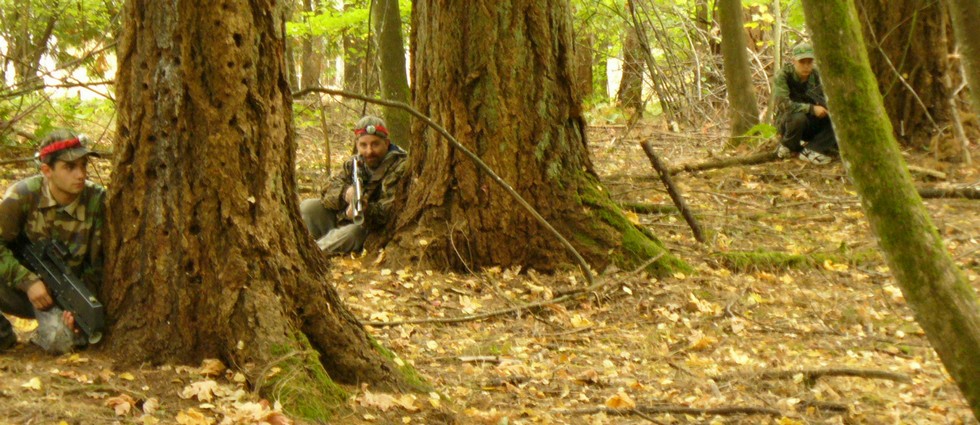
Woodsballers tend to understand stealth and movement, which helps a lot. They’re also a perfect example of how moving smart, rather than moving fast will help you succeed. Woodsball is either paintball or airsoft played out in the woods. Most of our events are held in heavily-wooded areas, so woodsballers start with familiarity of how to play the terrain. Second, woodsball strongly rewards stealth and patience, meaning that players typically can maximize the advantages of the extended range of the laser tag guns. What typically catches woodsballers off guard, however, is the spread of the fire pattern on the laser tag guns and the speed with which play can progress, even at ranges of several hundred feet.
Milsim players often play similar scenarios as woodsballers, but usually with a bit more variety. Also, they’re often using airsoft weapons with heavily amped ranges that rival our gear. This means that they’re used to utilizing the range that our gear offers and in a variety of environments (which further augments their ability to find ways to maximize the range advantage) and probably have at least decent experience using stealth in the field. What catches them off guard, however, is again, the spread of the fire pattern and the variety of weapons. Most milsim games resolve at long range due to safety concerns with the overpowered weapons, so close-range ambushing and skirmishing aren’t usually in their bag of tricks.]
Returning soldiers vary greatly in their experiences, but front-line infantry who were on intense combat tours are typically forces of nature on any battlefield, whether simulated or not. They’re experienced at stealthy approaches to their target, combat at any range, wide weapon variety in the hands of both their team and the opponents, and they probably have great communication and leadership skills. This frequently makes them potentially powerful leaders for their team, which amplifies their team’s effectiveness, especially since teammates often recognize the soldier’s expertise. Again, soldiers vary, so while some leap at the chance to play realistic laser tag like we offer, some hold back, at least at first. After they see what we’re simulating, how we do it, and what we’re teaching players, however, most of them finally step onto the field and have the time of their lives. Studies have shown that simulated combat actually helps most soldiers adjust from live combat and helps them dissociate the danger from the activity while also letting them utilize their skills in a way that lets them have fun, reducing PTSD and helping them adjust more smoothly to civilian life.