




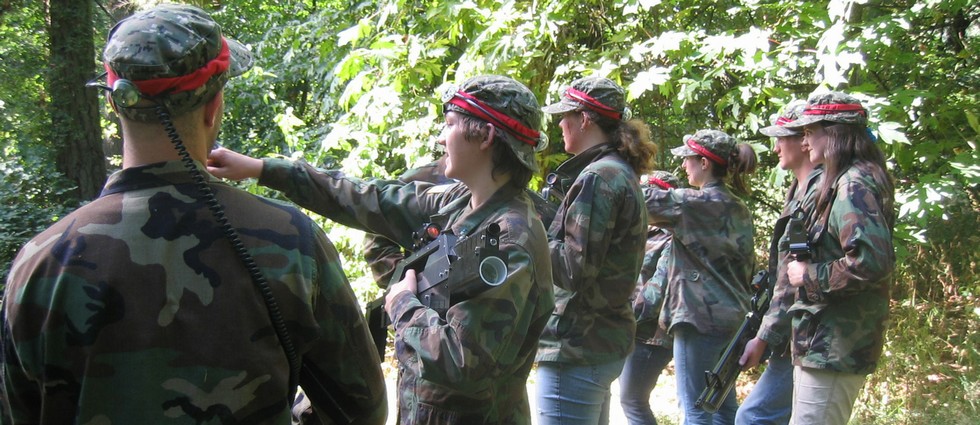
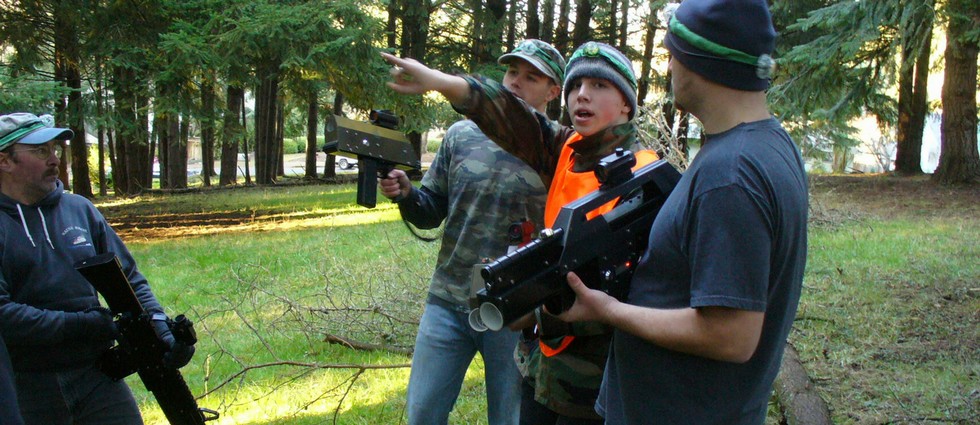
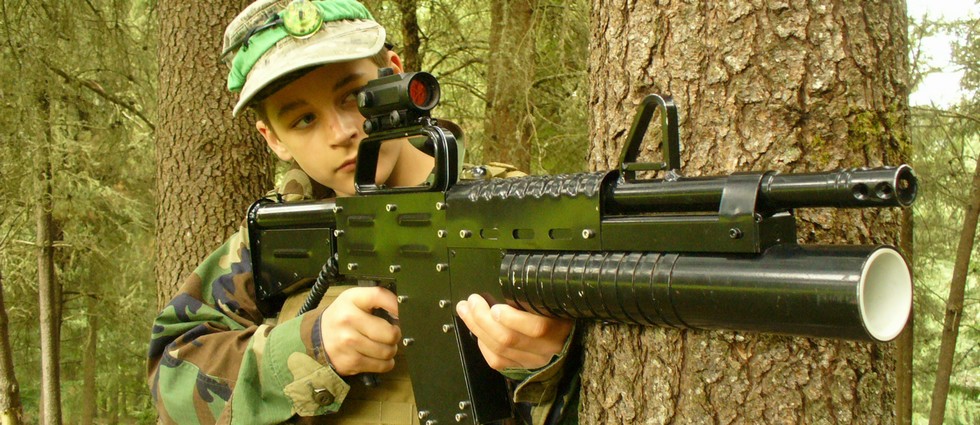
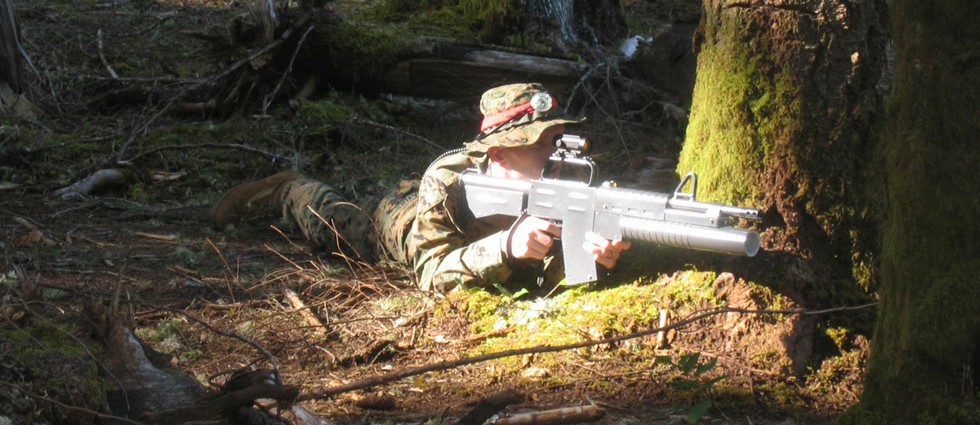
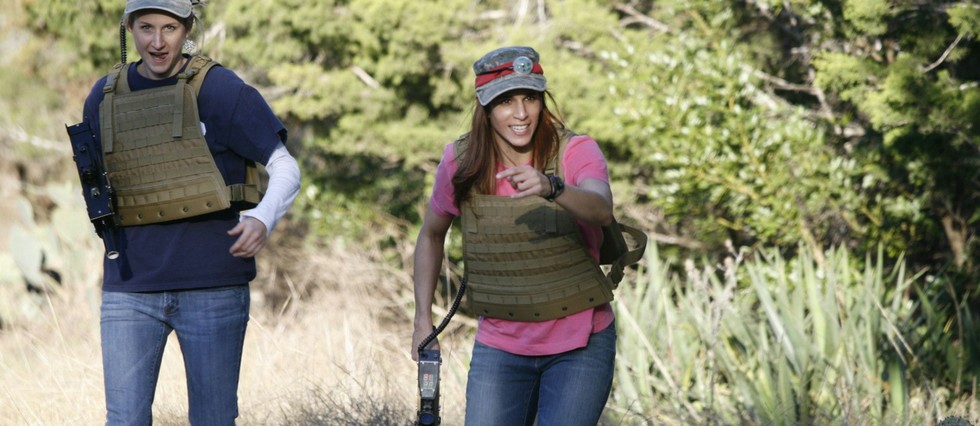



I don’t think that anyone ever thinks that trying to fight your way across the battlefield alone is the best of all options, yet most people wander across the laser tag field with little to no coordination with their teammates, especially after the first 5 minutes when everyone has died once or twice. Why is this? Well, frankly, it’s a tough skill to learn. Fortunately, though, it is a basic skill, so no matter your skill level you can always work on it.
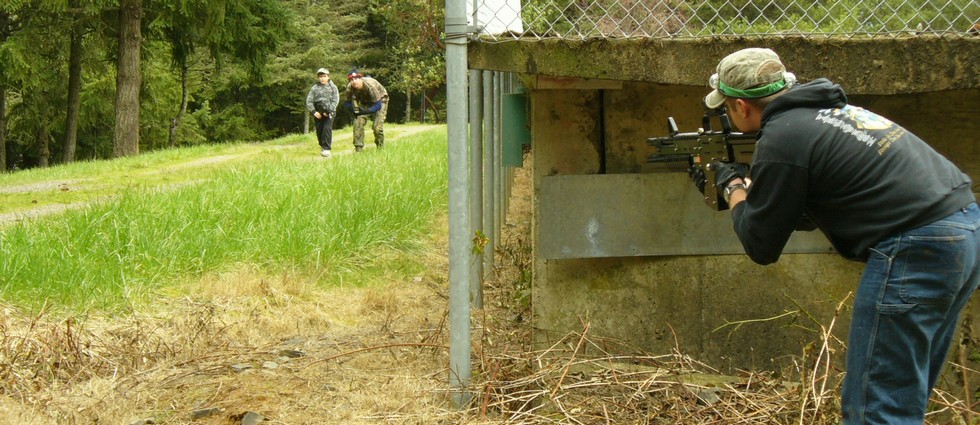
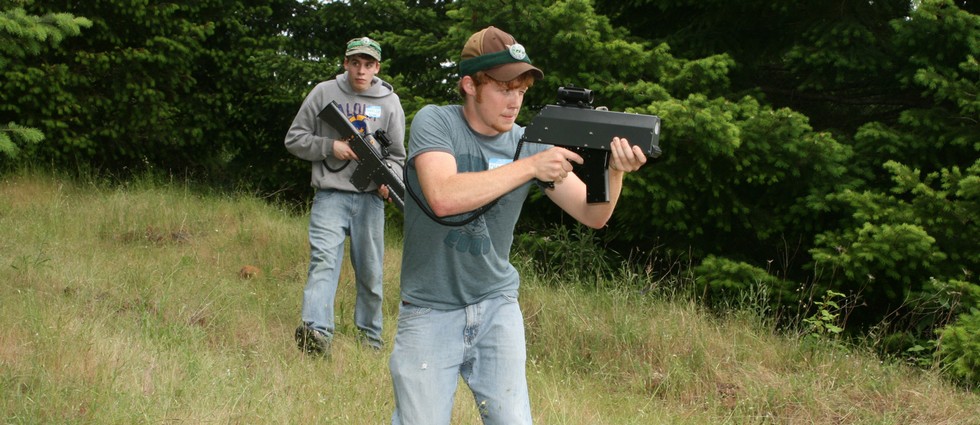
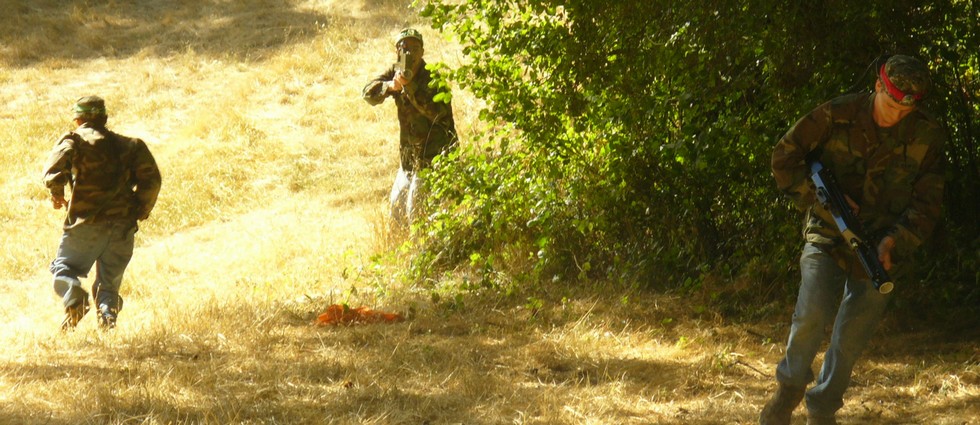
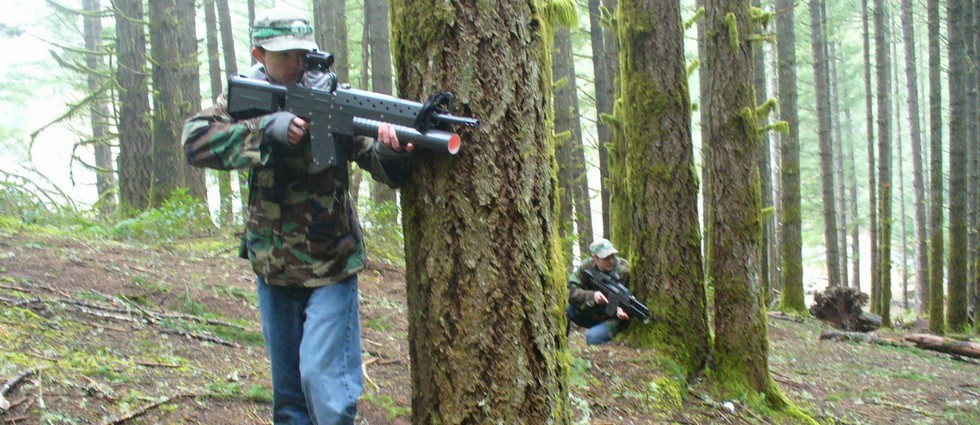
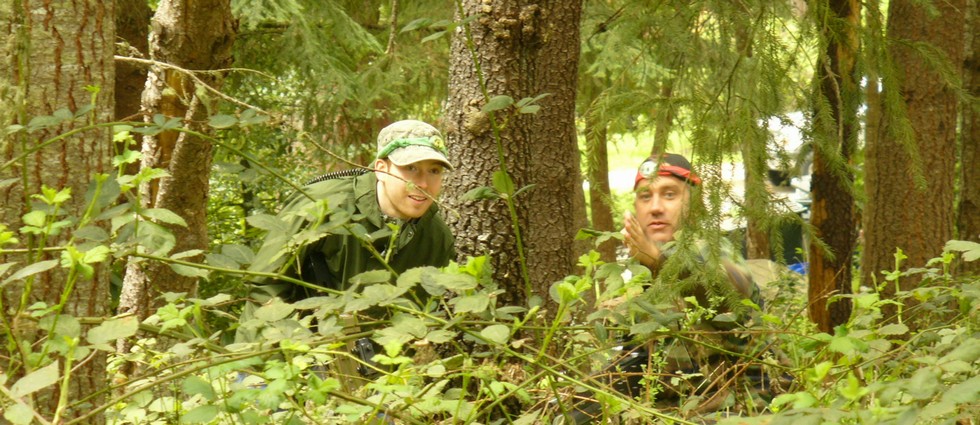
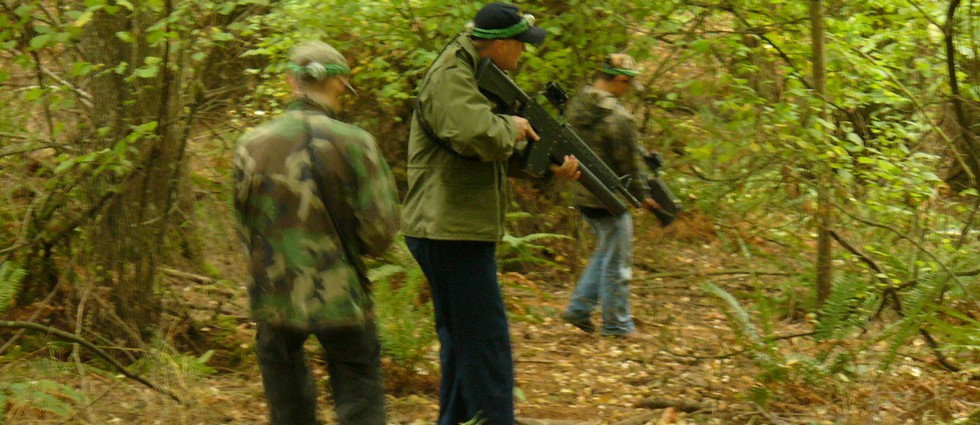
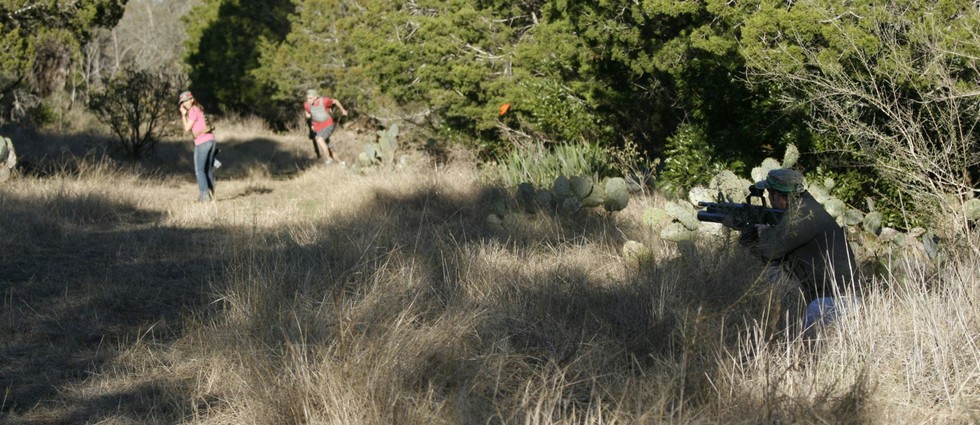
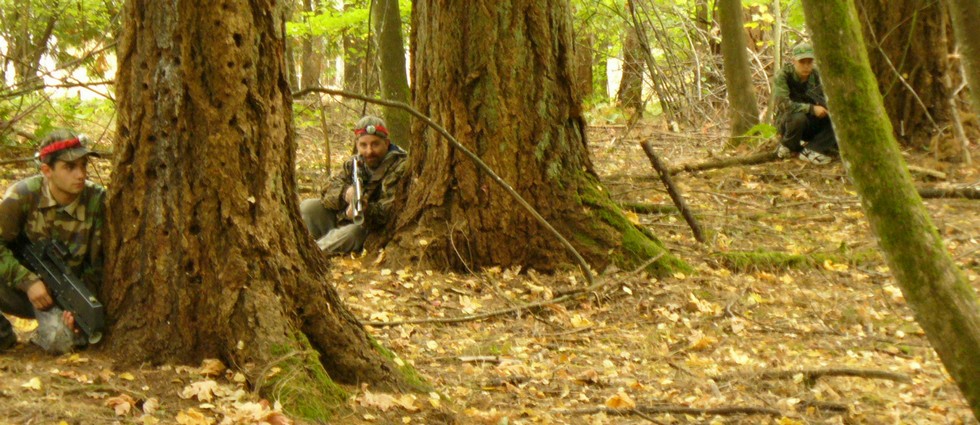
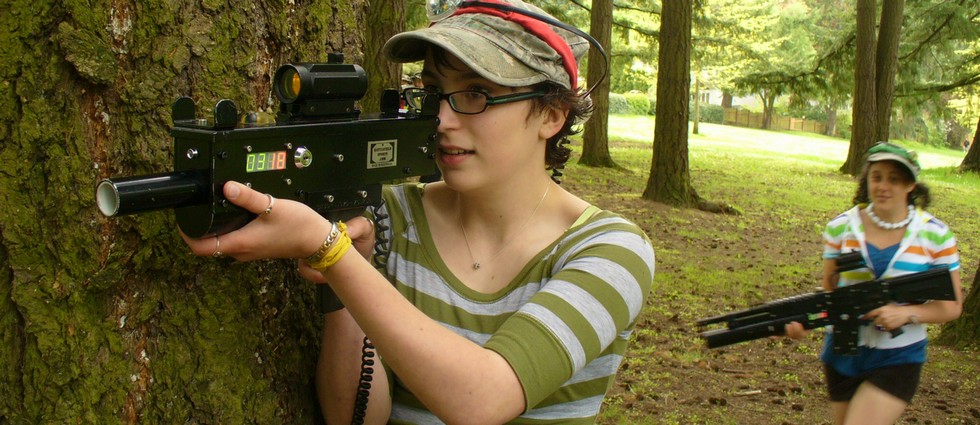
The real trick to working with someone is learning to keep an eye on them and the two of you trusting each other to stay close to one another. Start by trying to move together while you stay at least 15′ apart. You don’t want to stand right next to each other because it can allow you to both get shot at the same time. It can be a little easier if one of you is willing to mostly follow the other, although leading can be tricky. Leading someone as you move together requires a slight shift in your thinking because you have to give followers space as you move around obstacles and through terrain. If you’re doing it right the person following you should be able to stay slightly behind and off to one side of you. (Note that if you decide to change directions you’ll need to indicate this to them somehow and give them time to shift around you.)
So there you are, working your way across the laser tag field, and maybe you’re even taking out one or two opponents who were foolish enough to be running solo or who got separated from their buddies. The thing most likely to cause you to completely lose your coordinated movement is one of you dying. The bad news is that there’s no easy or one-size-fits-all-situations solutions to linking back up. And in all fairness, it’s something that even really good players have a tough time with. The reason for this is twofold: a) it’s not a situation that occurs in real life, so there’s no real-world, well-developed tactic and b) it requires, at least in part, that you read your buddy’s mind.
Most things on the laser tag field (at least with outdoor laser tag or tactical laser tag like we offer) have real-life equivalents, so action unfolds realistically and in a really exciting way. The problem is that in real life your buddy doesn’t get killed and then walk himself off the field, so you would always be right there with him anyhow if he could still fight. Additionally, the military uses radios to coordinate and communicate, which then allows them to plan each and every link up. While I’ve talked about a few alternatives to actual radios before it’s probable that you won’t have any sort of team communication, so what do you do then?
My suggestion is to work with your buddy to come up with a just two or three possible strategies for when one of you dies and then you STICK TO THE PLAN. Here’s what I would recommend as a “respawn plan.”
If one of us dies then the other will do one and only one of these things:
- stay in the same place until the other one gets back
- retreat in as direct a line as possible towards the base
- move towards a point on the battlefield we’ll call our “linkup point”
Any of the three of these might make the most sense based on where you’re playing on the field, where the opponents are focusing their attention, where other teammates are, etc. Notice that the list did NOT include “keep fighting and the dead guy will figure out where in the world you’ve gone.” That’s the best way to make sure that you don’t manage to link back up for the rest of the game, which then makes both of you lone wolves that are easier to pick off. Making things more complicated, it’s entirely possible that the living buddy will die before managing to link up with his dead teammate since he’s now a lone wolf! This is why it’s so important to have a plan in advance that you stick to. If there’s only two or three places to find your buddy it’ll be a lot easier to handle.
Working together definitely has its share of challenges, from coordinating to moving together, from handling death and respawns to sticking to your plan even when things get hairy. The advantage that you enjoy when you pull it off, though, should more than make up for the difficulties you overcome to maintain your teamwork and coordination.